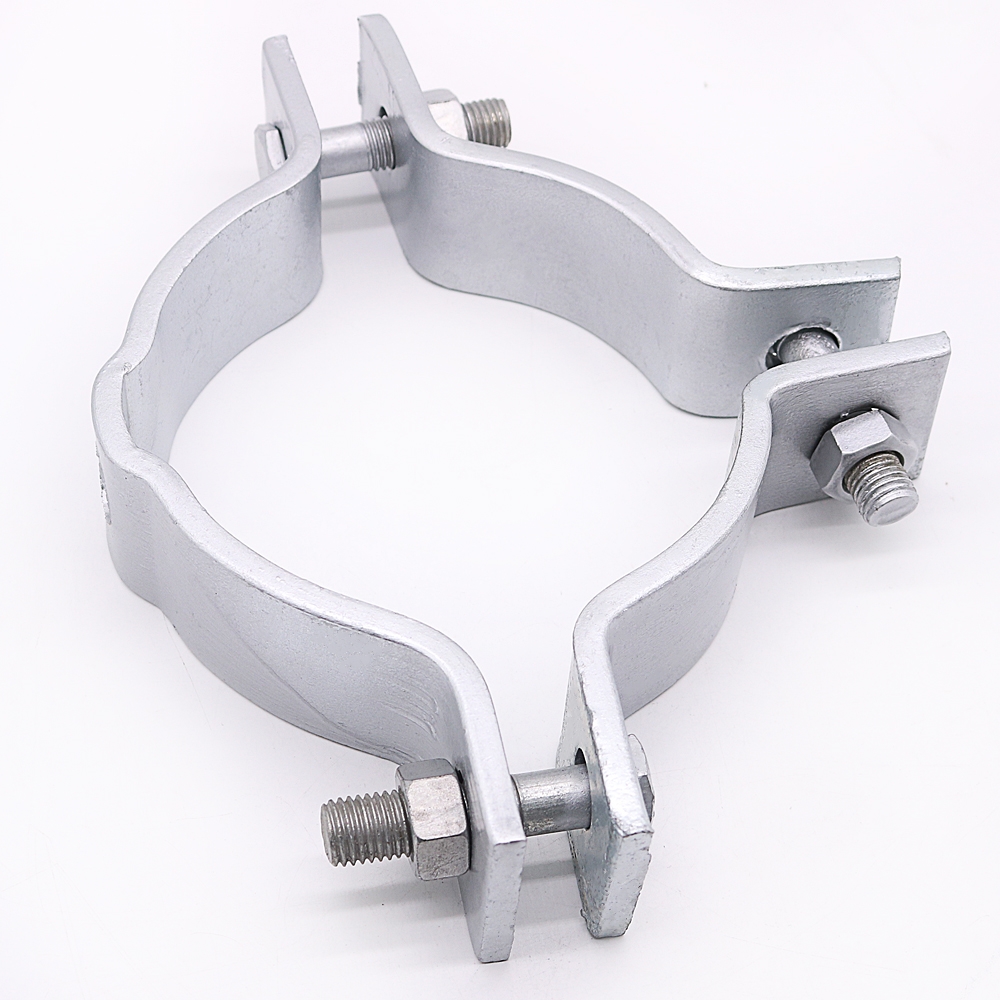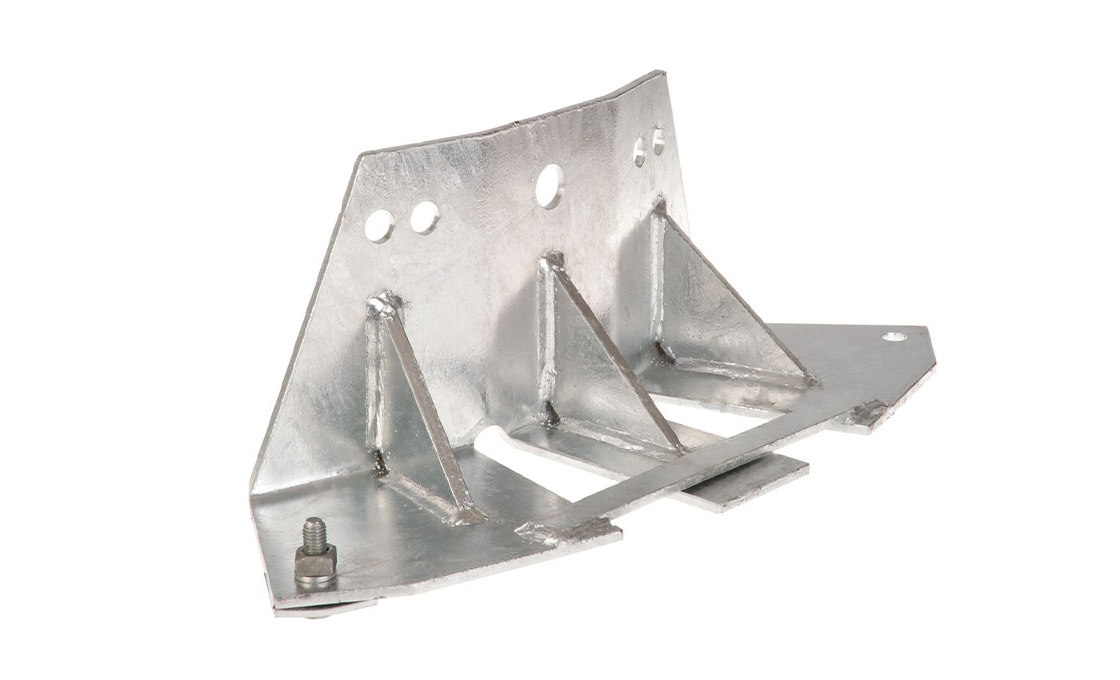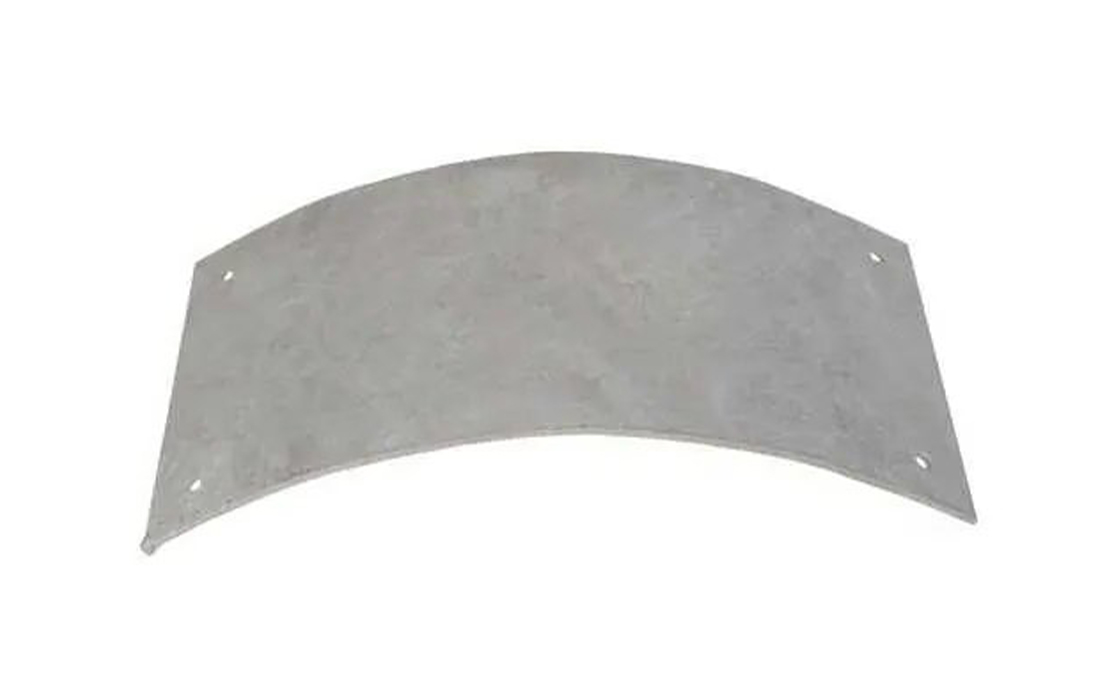
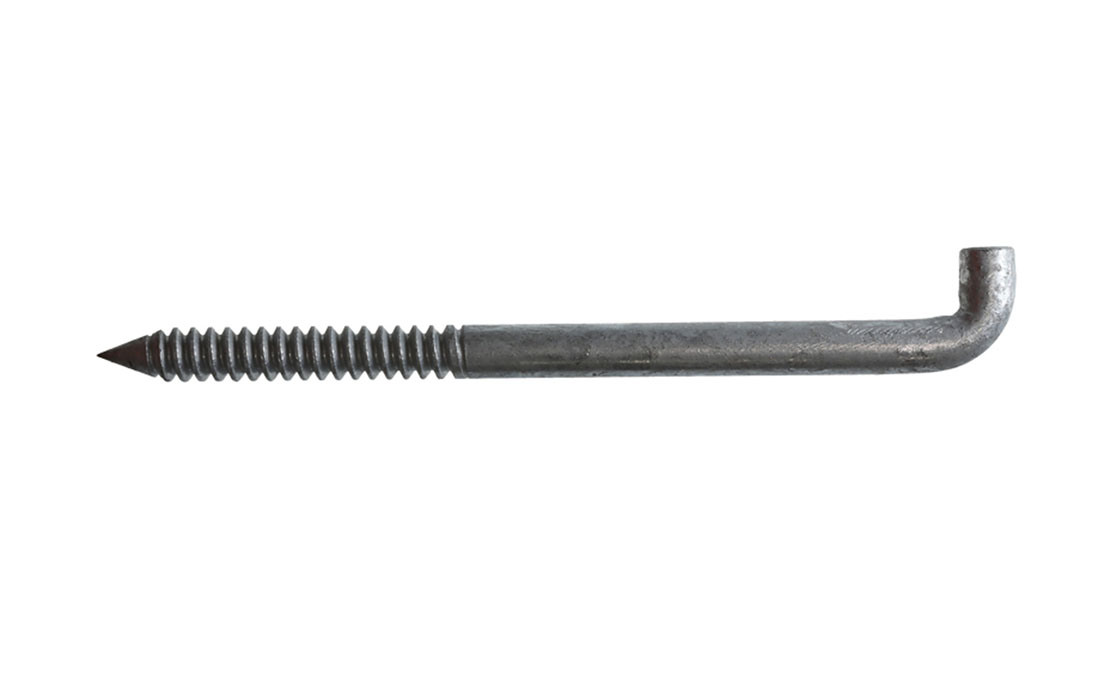
Pole Step
- Pole-mounted footrest enabling lineman ascent on utility distribution poles
- 5 types: drive-in screw, cast bracket, drive bolt, detachable D-handle, toothed 3-point
- NESC 234 + ANSI A14.11 compliant (300–375 lb load class)
- Hot-dip galvanized to ASTM A153 Class B (110 μm, exceeds the 86 μm minimum)
Technical Specifications
| Catalog | Type | Shaft Diameter | Load Rating | Tread Width | Pole Type / Use Case | Weight (kg) |
|---|---|---|---|---|---|---|
| RAX-PS-DI-58 | Drive-In Screw | 5/8 in (16 mm) | 300 lb (ANSI A14.11) | 5-1/2 in tread | Wood pole, permanent | 0.45 |
| RAX-PS-CB-58 | Cast-Iron Bracket | 5/8 in (16 mm) | 300 lb (ANSI A14.11) | 5-3/4 in tread | Steel/composite pole, bolt-on | 0.85 |
| RAX-PS-DB-58 | Drive Bolt + Plate | 5/8 in (16 mm) | 375 lb (ANSI A14.11) | 5-1/2 in tread | Wood pole, hammer-driven (Hubbell T2050433 eq.) | 0.65 |
| RAX-PS-DT-58 | Detachable D-Handle | 5/8 in mount | 300 lb (ANSI A14.11) | 5-3/4 in tread | Security / anti-climb (Hubbell PS6236 eq.) | 0.55 |
| RAX-PS-TC-3PT | Toothed 3-Point | 5/8 in (16 mm) | 375 lb (ANSI A14.11) | 5-1/4 in tread | Anti-slip, transmission | 0.95 |
Application & Installation
Where it is used
- Permanent climbing step run on distribution / sub-transmission wood poles
- Detachable lowest-section steps to deter unauthorized public climbing
- Steel and composite pole climbing assemblies (bolt-on bracket type)
- Substation egress poles with frequent maintenance access requirements
- Wind-farm tower lower climb sections (toothed 3-point variant)
Installation sequence (drive-in type, wood pole)
- Mark step positions on pole face: alternating sides, 18 in vertical spacing maximum (NESC 234).
- Drill 1/4 in pilot hole 6 in deep at each mark (hardwood / weathered pine only).
- Position the step shaft in the pilot hole, hook end pointing UP.
- Drive with a 5 lb hammer until the cast-iron shoulder is flush against the pole face.
- Verify the step is square to the pole axis and the hook is vertical (not rotated).
- Apply a copper-rich wood preservative to the entry point (extends pole life 2–3 years).
Buyer’s Guide: Pole Step
1. Five Pole Step Configurations Compared
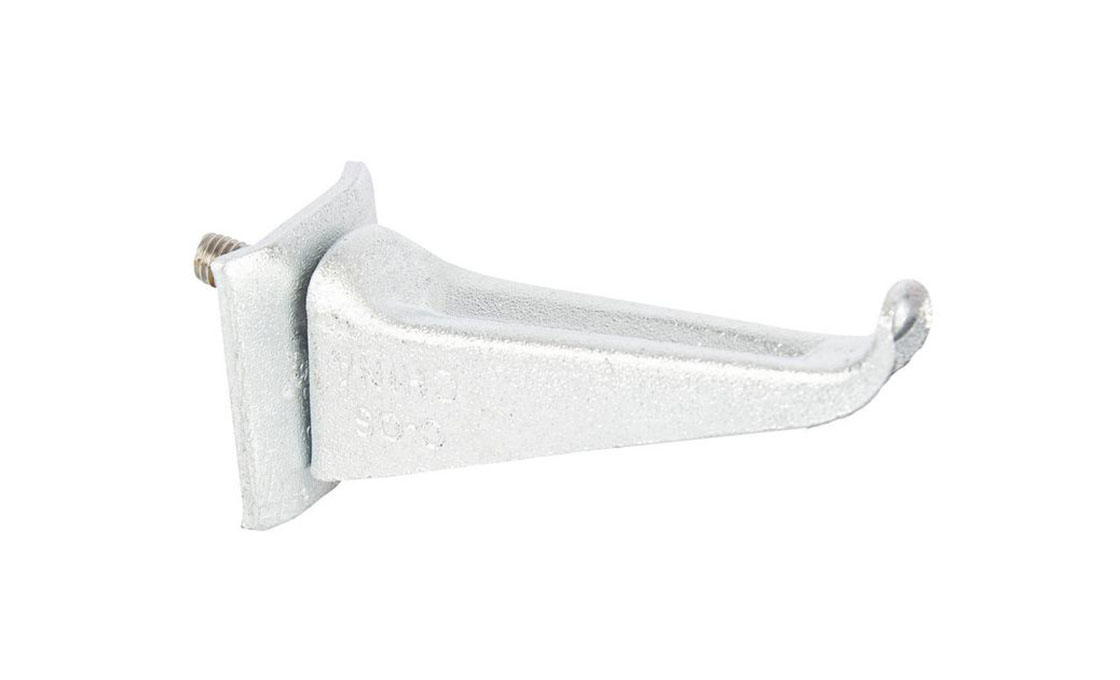
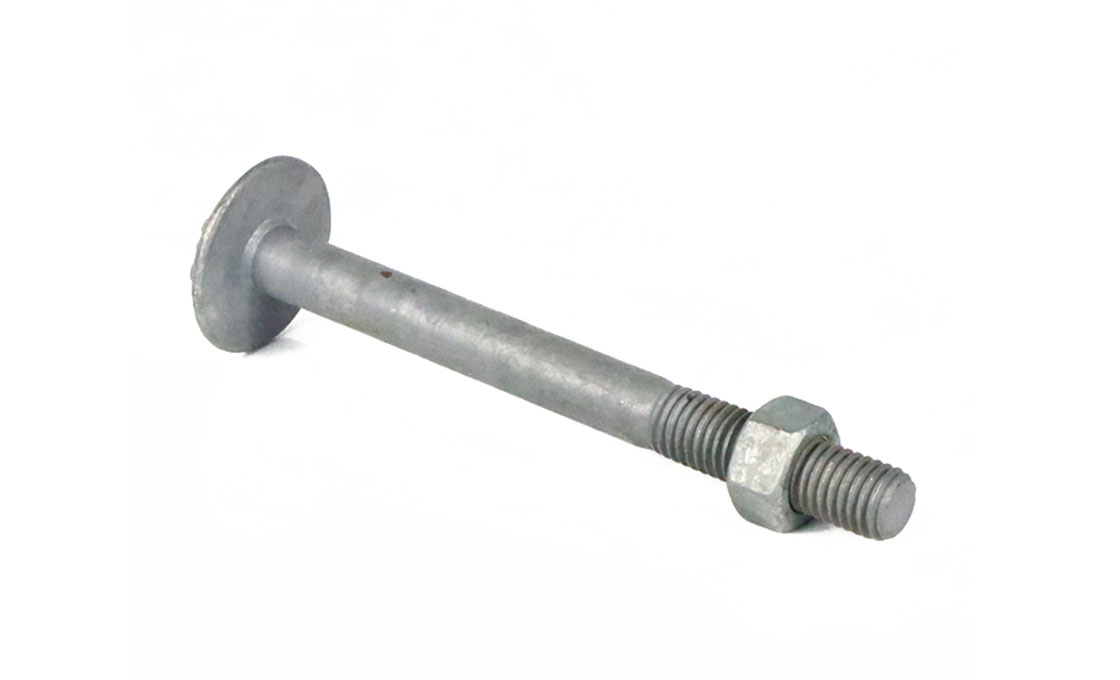
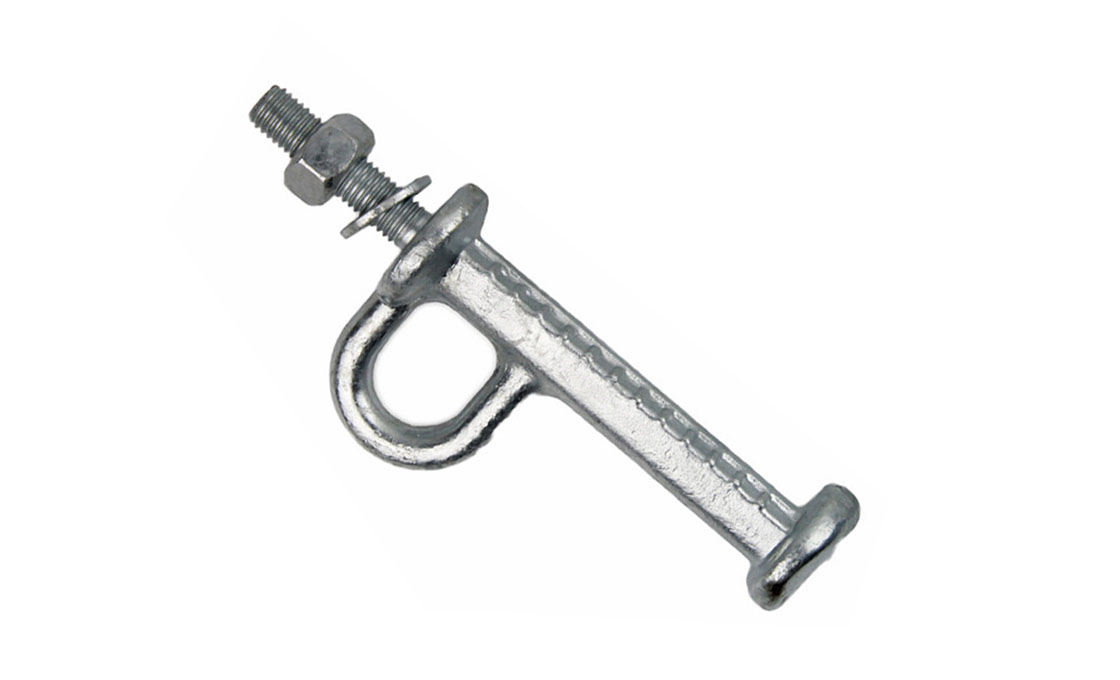
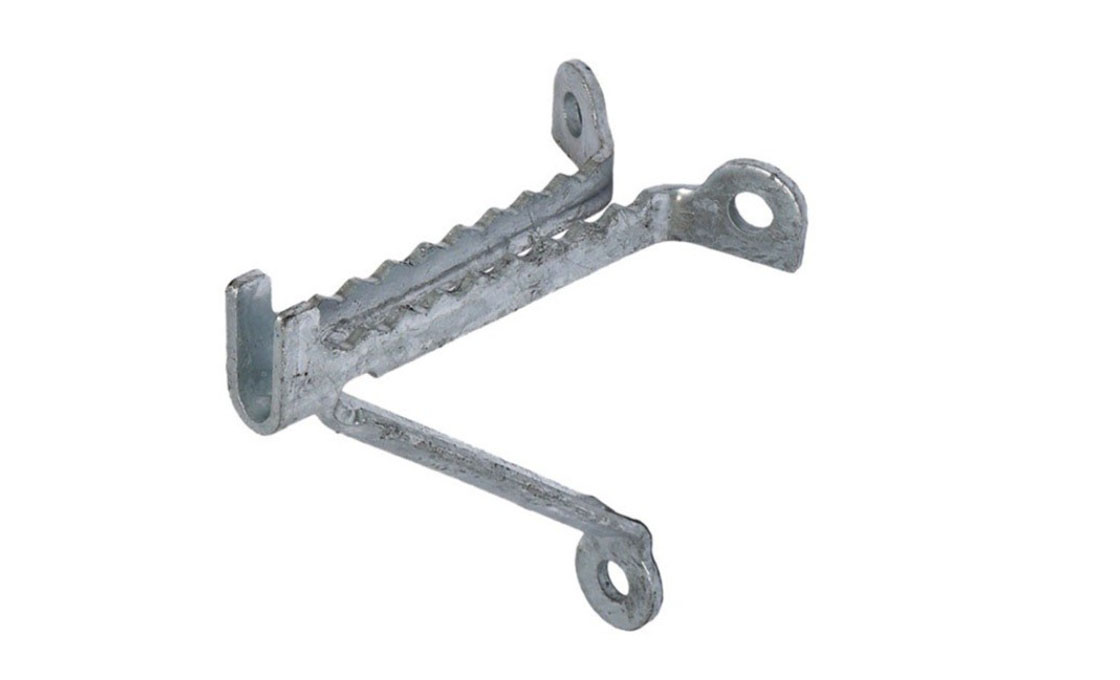
There are five distinct pole-step constructions in mainstream use across North American distribution and transmission. Drive-in screw type (RAX-PS-DI) has a screw-threaded shaft and an integral cast hook end — the most common permanent step for wood poles, hammer-driven into a pilot hole. Cast-iron bolt-on bracket (RAX-PS-CB) bolts through a flat steel pole face or composite pole with a single M16 bolt, used where drive-in isn’t feasible (steel, concrete, fiberglass). Drive bolt with plate assembly (RAX-PS-DB) combines a square-shoulder drive bolt with a square steel washer — the Hubbell T2050433 / Allied Bolt equivalent, used as the permanent mount for detachable steps or as a standalone hammer-driven step. Detachable D-handle (RAX-PS-DT) is the removable step that slides over a permanent lag-bolt mount; used in the bottom 8–10 ft of the pole to deter unauthorized climbing, complementing OSHA 1910.24’s accessibility requirements. Toothed 3-point climbing step (RAX-PS-TC) is the heaviest-duty option, with a serrated tread surface and three-point attachment for high-frequency-access transmission poles or wind-farm towers. Match the type to your pole material and security requirements; mixing types on one pole is normal and expected.
2. NESC & OSHA Spacing Requirements (Code-Driven Layout)
The vertical spacing between steps is code-mandated, not a design preference. California Title 8 §8608 and NESC Rule 234 require steps to be spaced not more than 18 inches vertically, with no more than 36 inches on any one side of the pole. The standard alternating-side layout puts steps 18 in apart on alternating left/right sides, giving a 36 in stride between same-side steps. The step-up height — the elevation of the lowest permanent step — is set by your utility’s standard drawing, typically 8 ft for residential right-of-way and 10 ft for commercial corridors, with the gap below filled by detachable steps. Don’t deviate from these dimensions: failure of a climbing step assembly to meet OSHA spacing is one of the most-cited violations in utility inspections.
3. Bearing Capacity by ANSI A14.11 Class
ANSI A14.11 (the "portable climbing equipment" standard) defines five duty-rating tiers: 200 lb (Type III), 225 lb (Type II), 250 lb (Type I), 300 lb (Type IA), and 375 lb (Type IAA). The 200–250 lb tiers are for residential ladders and not appropriate for utility climbing. Pole steps for distribution use should be minimum Type IA (300 lb) — this accommodates a fully-equipped lineman (180 lb body + tools) with a 65% safety margin. For transmission and substation work, where heavy tooling and arc-flash PPE adds 50–75 lb, specify Type IAA (375 lb) — available in RAX-PS-DB and RAX-PS-TC. All Raxsteel pole steps are individually compression-tested to 1.5× their rated capacity before galvanizing.
4. Pole Material Compatibility
Pole material dictates step type. Wood poles (Southern Yellow Pine, Douglas Fir, Western Red Cedar) accept drive-in (RAX-PS-DI) or drive-bolt (RAX-PS-DB) steps directly — the cast-iron shoulder embeds in the wood fibers and the hot-dip galvanizing prevents long-term corrosion at the embedment point. Steel poles require bolt-on (RAX-PS-CB) steps through a pre-drilled 17 mm hole; drive-in steps will not penetrate steel pole walls. Composite (fiberglass) poles can use bolt-on, but only with the manufacturer’s specified bolt pattern — drilling into composite pole walls voids most warranties; check with your pole supplier first. Concrete poles are usually delivered with pre-installed cast-in step attachments by the pole manufacturer; aftermarket drilling is not recommended due to the risk of fracturing the reinforced section.
5. Detachable vs Permanent: The Security & Accessibility Tradeoff
Below the step-up height (typically the lowest 8–10 ft), code requires steps to be removable or absent to prevent unauthorized climbing — children, vandals, copper thieves, drone-recovery enthusiasts. RAX-PS-DT (detachable D-handle) meets this requirement: the lineman carries the detachable step on their belt, slides it onto the permanent lag-bolt mount to ascend, then removes it on descent. The mount alone is not climbable. Above the step-up height, permanent steps (RAX-PS-DI, -CB, -DB, -TC) are installed for fast, hands-free climbing. The transition between detachable and permanent is the most-critical zone for installation accuracy — misalignment here causes lineman fall events. Use the same step type and spacing on both sides of the transition.
6. Galvanizing for Climbing Hardware: Beyond ASTM A153 Minimum
ASTM A153 Class B requires a minimum 86 μm zinc coating on steel climbing hardware. For pole steps specifically, we ship at 110 μm typical (Class B+) for two reasons. First, drive-in installation removes a thin layer of zinc as the step embeds in the wood — we add 25 μm to compensate. Second, the step’s tread surface sees constant boot wear; the thicker coating extends service life from ~20 years to 30+ in C3 atmospheric corrosivity. For C4–C5 environments (coastal, industrial chemical), specify duplex coating (HDG + epoxy paint) at order; this extends life to 50+ years. Stainless steel construction (316L) is available for the most aggressive environments — saline spray, oilfield, geothermal — with 10–14 day tooling lead time.