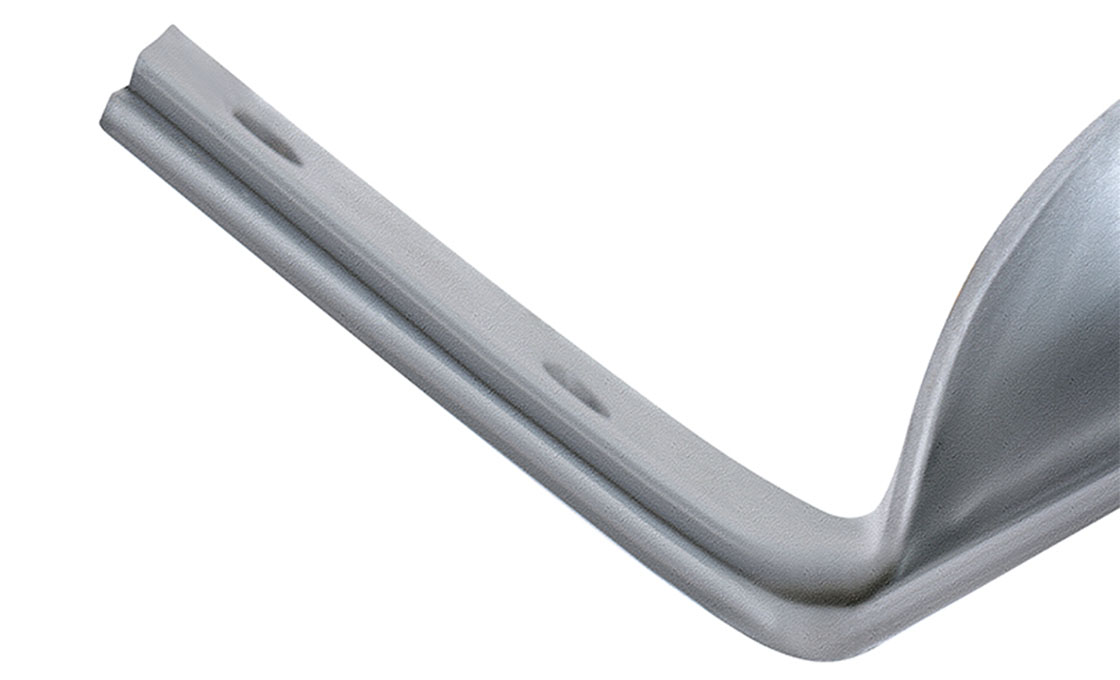
Alley Arm
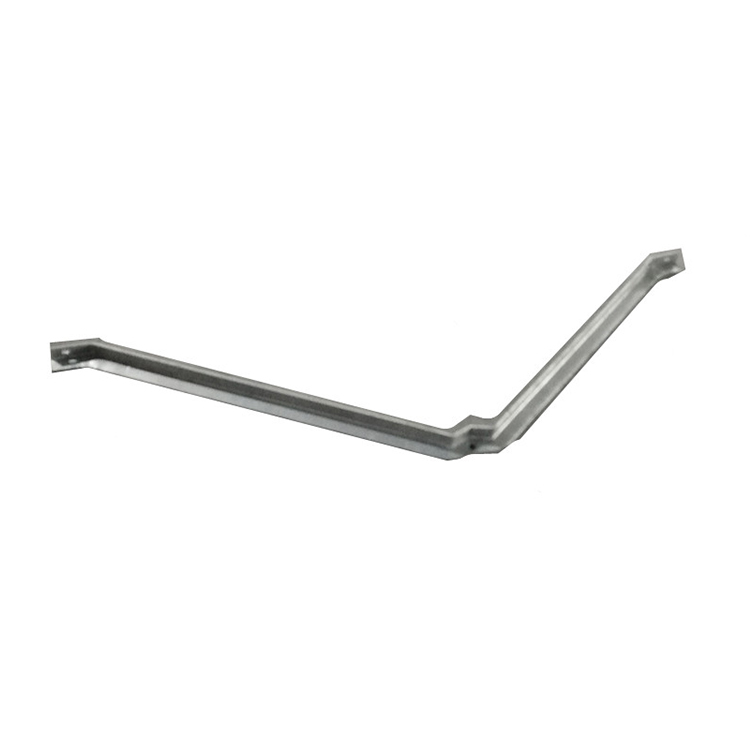
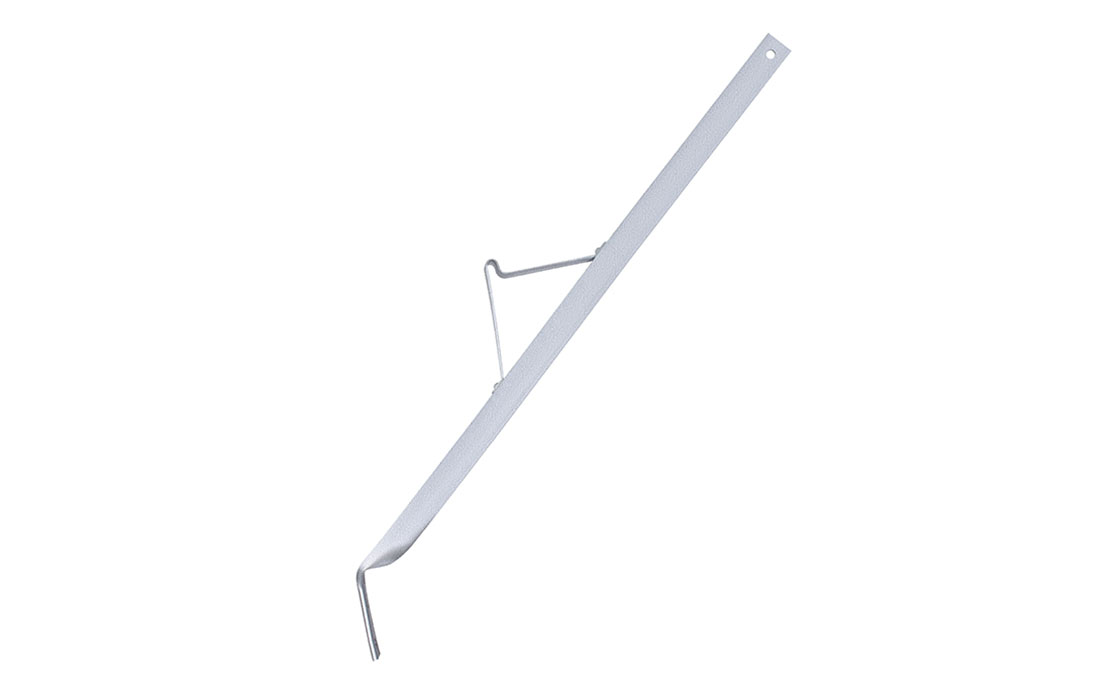
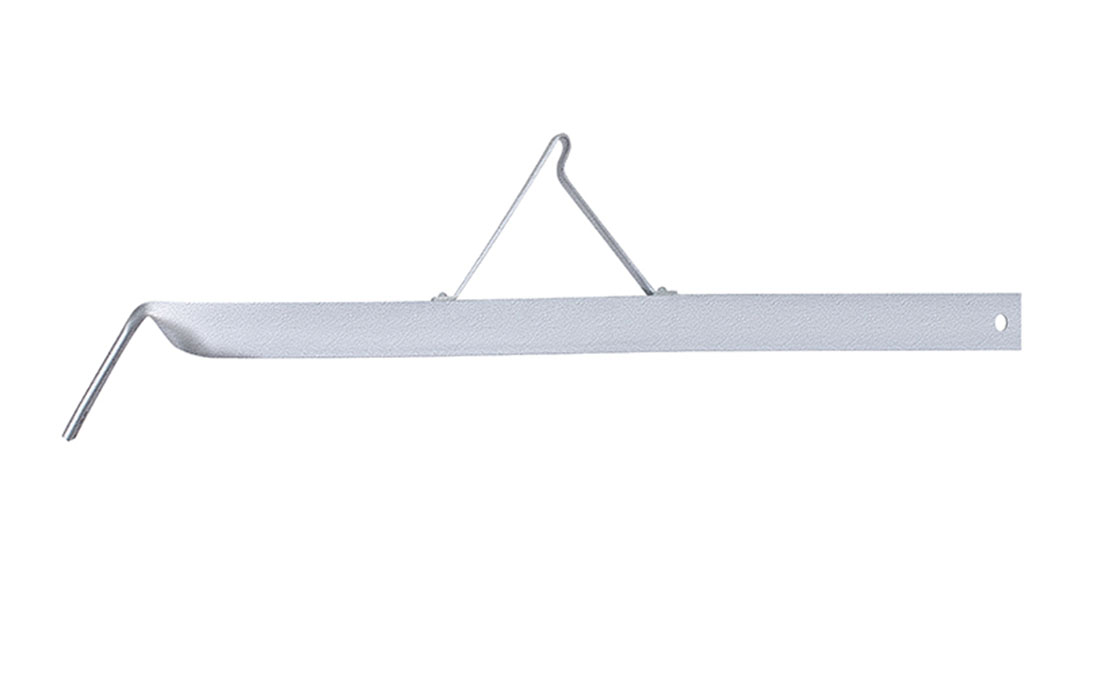
- Single-sided angle-steel crossarm for poles close to buildings, fences, or property lines
- 4 sizes: 7 / 8 / 10 ft lengths in L45 to L50 angle section
- Hot-dip galvanized to ASTM A-123 (≥86 μm)
- Mill certificate + galvanizing report with every shipment
Technical Specifications
| Catalog No. | Length (ft / mm) | Angle Section | Weight (kg) | Standard |
|---|---|---|---|---|
| RAX-AA-7FT-L45 | 7 / 2,100 | 1-3/4 × 1-3/4 × 3/16 in (L45 × 5) | 7.73 | ANSI C135.6 / ASTM A-123 |
| RAX-AA-7FT-L50 | 7 / 2,100 | 2 × 2 × 3/16 in (L50 × 5) | 8.87 | ANSI C135.6 / ASTM A-123 |
| RAX-AA-8FT-L50 | 8 / 2,275 | 2 × 2 × 1/4 in (L50 × 6) | 11.42 | ANSI C135.6 / ASTM A-123 |
| RAX-AA-10FT-L50 | 10 / 2,875 | 2 × 2 × 5/16 in (L50 × 8) | 19.00 | ANSI C135.6 / ASTM A-123 |
Application & Installation
Where it is used
- Alleys, narrow streets, and dense urban distribution
- Side-mount construction where the back of the pole must stay clear
- Service drops & transformer mounts on space-restricted poles
- Rural electrification per RUS specifications
- Telecom & cable-TV side-arm runs
Installation sequence
- Set the elevation and orientation; angle steel mounts horizontally to one side of the pole.
- Through-bore the pole at 9/16 in or 11/16 in per drawing.
- Set the alley arm against the pole with the angle’s vertex toward the pole.
- Install two 1/2 in lag screws or through-bolts with square washers.
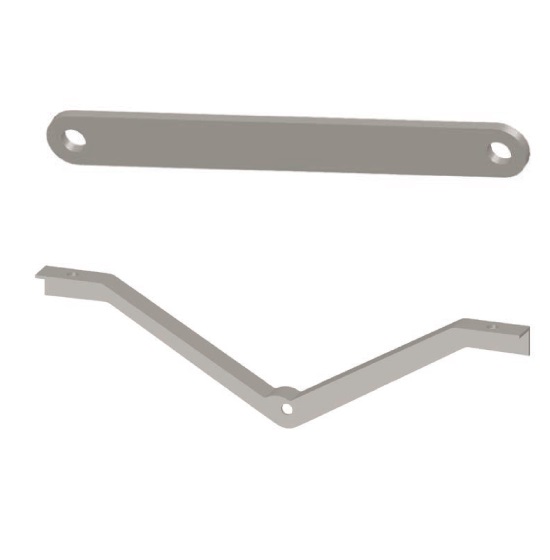
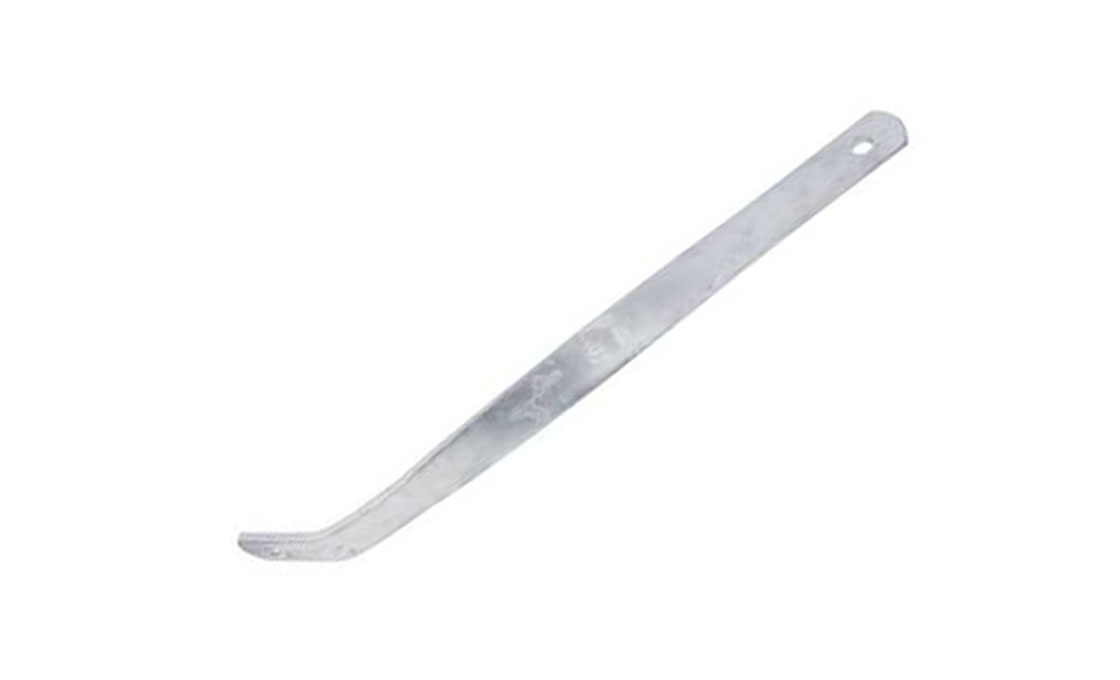
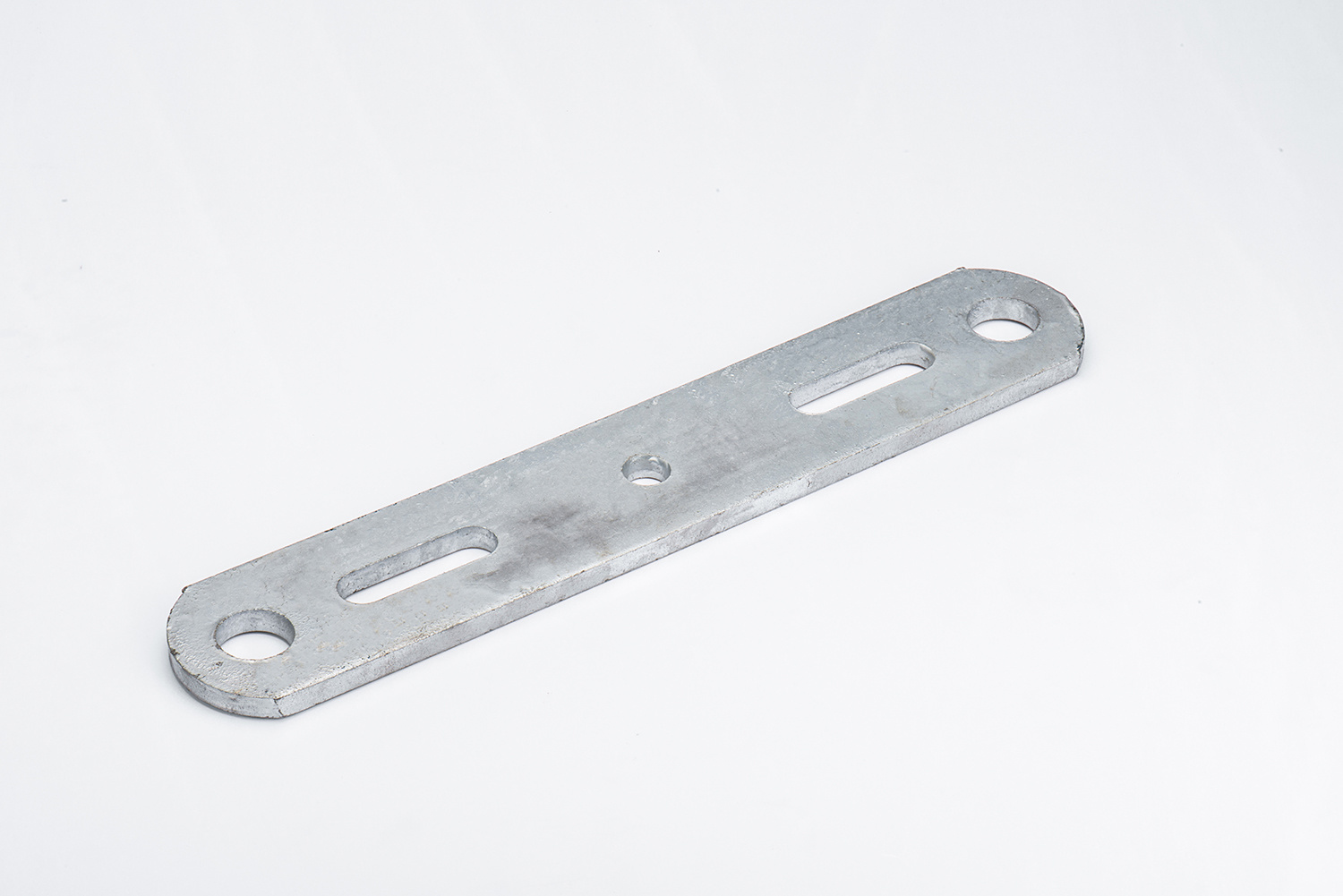
- Mount the supporting brace from underside to pole.
- Torque to 80–100 ft-lb and inspect before energizing.
Buyer’s Guide: Alley Arm
1. When Do You Need an Alley Arm?
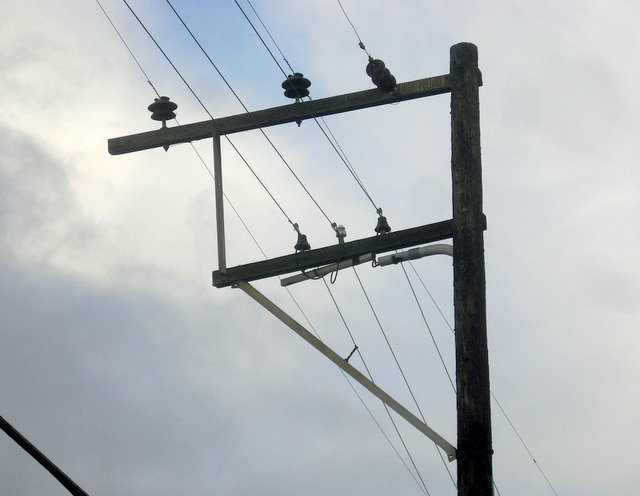
An alley arm is a single-sided crossarm fabricated from L-section angle steel. Use it when the pole sits too close to a building, fence, or property edge for a standard two-sided crossarm. The angle profile is much stiffer than flat-strap alternatives, so it carries full conductor load on one side without deflection.
The classic alley arm scenario is dense urban distribution where the pole footprint is constrained: narrow side streets, alleyways behind storefronts, or property-line poles where neighboring buildings sit within 6–8 feet of the pole face. A standard two-sided crossarm would foul a building cornice or violate setback clearances; the alley arm extends only on the open side, keeping the back of the pole clean. Always paired with a brace — V-type for heavy loads, flat-steel pair for routine distribution — sized to the same load class. The brace handles the lateral component of the conductor pull; without it, the arm rotates under load.
2. How to Choose the Right Size
Length and section together set the load class.
- 7 ft / L45 — light-duty distribution, single conductor side-mount
- 7 ft / L50 — standard distribution, the most-ordered size
- 8 ft / L50×6 — heavier multi-conductor distribution
- 10 ft / L50×8 — heavy distribution & light transmission
For typical 12–15 kV distribution with #4 to 1/0 ACSR conductors, RAX-AA-7FT-L50 covers it. Step up to RAX-AA-8FT-L50×6 for 24.9 kV or when ice loading is a project concern. The 10 ft RAX-AA-10FT-L50×8 is used when the alley arm doubles as a transformer mounting platform and the unbalanced conductor pull demands a stiffer section. All four sizes match RUS 1728F-810 construction drawings. Custom lengths (4–14 ft) available with 5–7 day tooling, 500-piece minimum.