Underground Cable Insulator
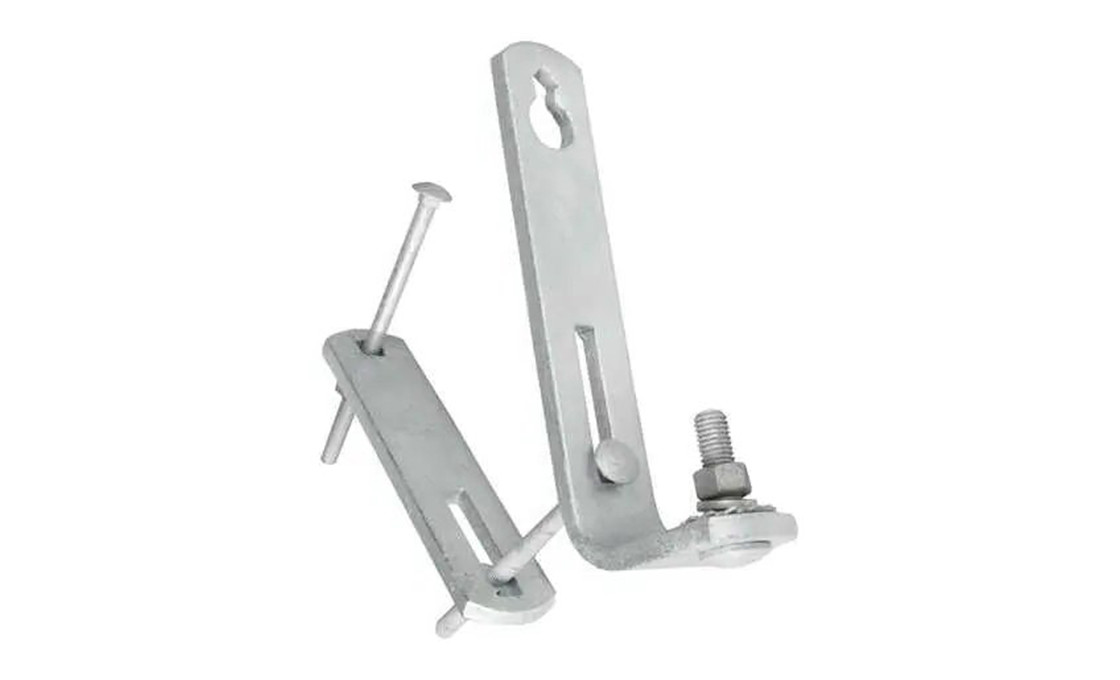
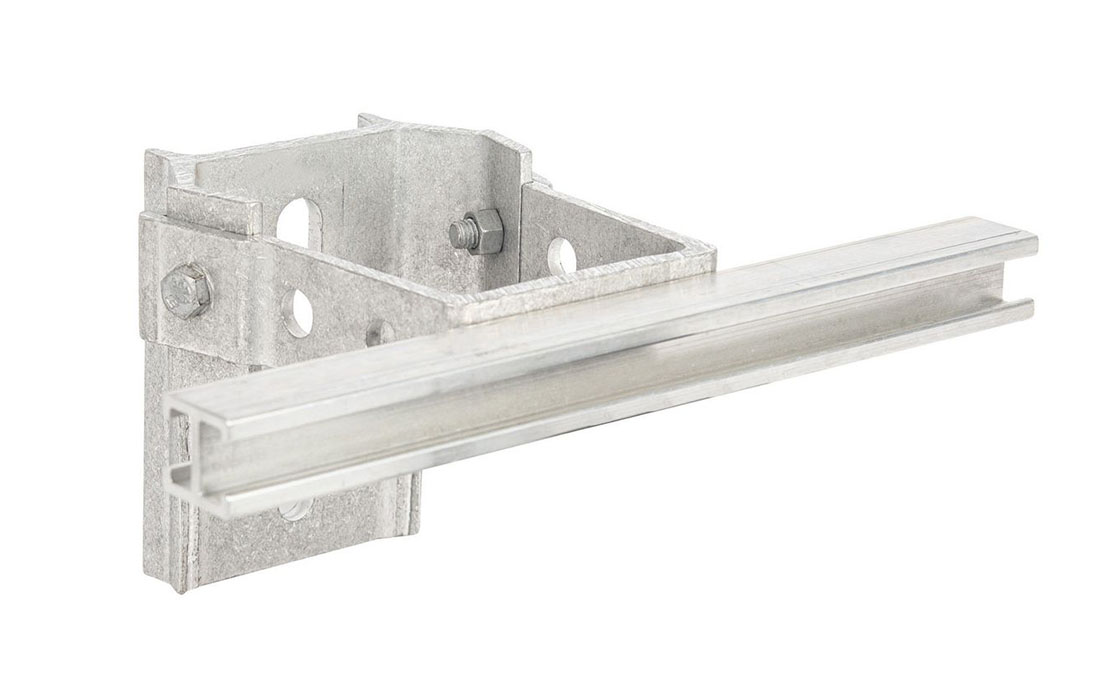
- Cable cleat / support insulator for underground cables in trenches & manholes
- Spaces and insulates single-core cables to control magnetic forces
- Holds cable position against short-circuit thrust
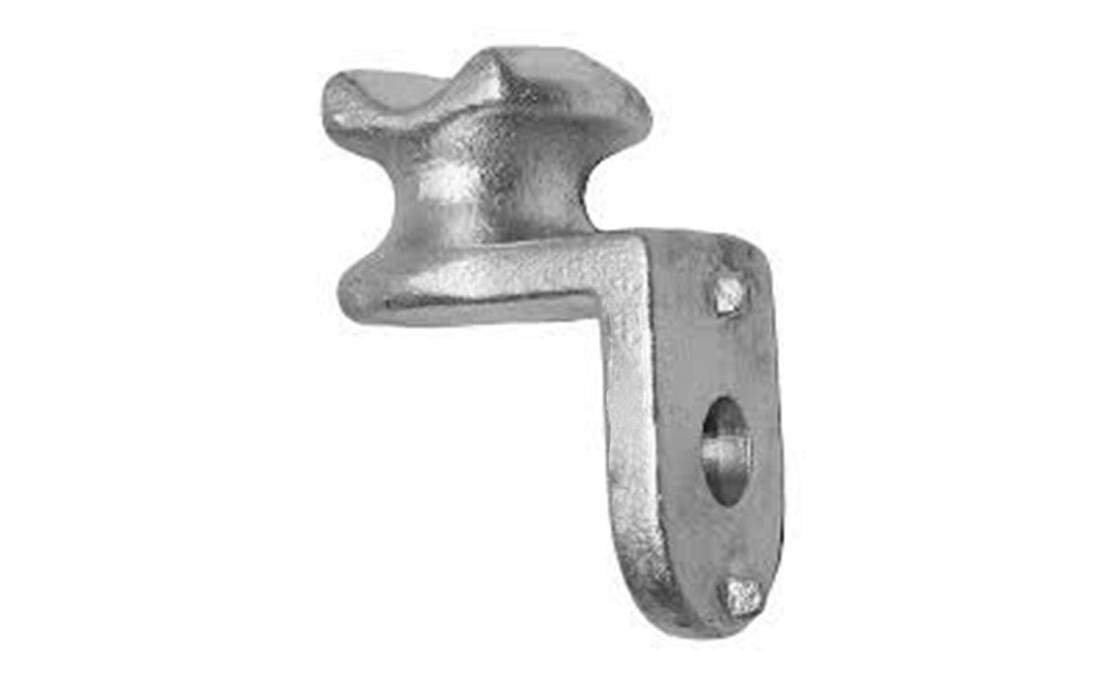
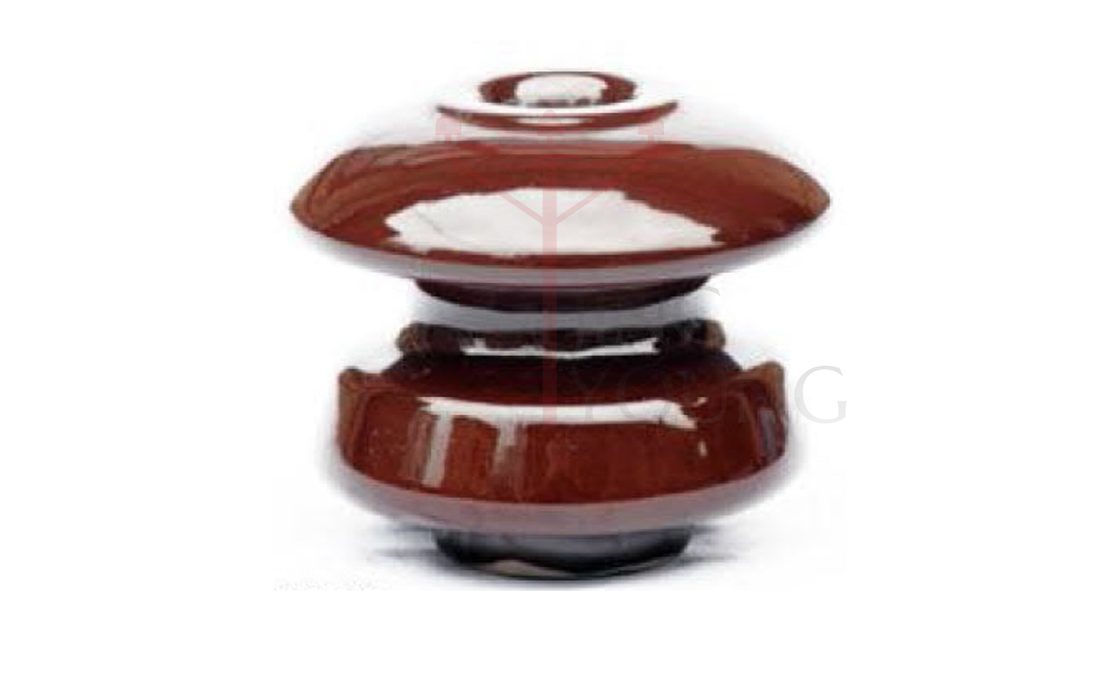
- Porcelain or polymer cleat / standoff form
- For substation cable racks, manholes and ducts
- Bolts to the rack / wall, clamps the cable
Technical Specifications
| Catalog | For Cable Ø (mm) | Type | Short-circuit (kA) | Material | Mount |
|---|---|---|---|---|---|
| RAX-UC-1 | 20–40 | Cleat | 25 | Polymer | Rack / wall |
| RAX-UC-2 | 40–70 | Cleat | 40 | Polymer | Rack / wall |
| RAX-UC-3 | 50–90 | Standoff | 40 | Porcelain | Rack |
| RAX-UC-4 | 70–120 | Standoff | 50 | Porcelain | Rack |
| Custom | Other cable sizes / fault levels — send your cable & rack spec | ||||
Application & Installation
Where it is used
The underground cable insulator (cable cleat / support) spaces and holds single-core power cables on racks, in manholes and through ducts. It fixes the cable position and insulates it from the rack, and — critically — resists the magnetic thrust that single-core cables exert on each other during a short circuit.
Installation sequence
- Select the cleat / standoff for the cable diameter and fault level.
- Bolt the base to the cable rack or wall.
- Lay the cable into the cleat / saddle.
- Close and bolt the cleat clamp over the cable.
- Confirm the spacing and that the cable cannot move under fault.
Buyer’s Guide: Underground Cable Insulator
1. What an Underground Cable Insulator Is
An underground cable insulator is a cleat or standoff that supports a power cable on a rack, in a manhole or through a duct. It holds the cable at a set spacing, insulates it from the metal rack, and restrains it — the support hardware of an underground or in-station cable run.
2. Short-Circuit Forces
When a fault current flows, parallel single-core cables push or pull on each other with large magnetic forces. The cleat must hold the cable against that thrust so the cables do not whip and damage themselves — its short-circuit (kA) rating is as important as the size.
3. Cleat vs Standoff
A cleat clamps around the cable to hold it laterally and against thrust; a standoff insulator supports the cable on a saddle and spaces it off the rack. Use cleats where fault restraint matters, standoffs for support and spacing.
4. Sizing
Select by cable outside diameter and the system fault level (kA). The cleat must close on the cable firmly and be rated for the short-circuit force at that spacing.
5. Material
Polymer (GRP / LSF) cleats are light, non-magnetic and corrosion-free for most duty; porcelain standoffs suit higher-voltage in-station support. Non-magnetic material avoids heating in single-core runs.
6. Where It Is Used
On substation cable racks, in cable manholes, basements and ducts, and on any single-core cable run that needs spacing and fault restraint. Order to the cable size and fault level.