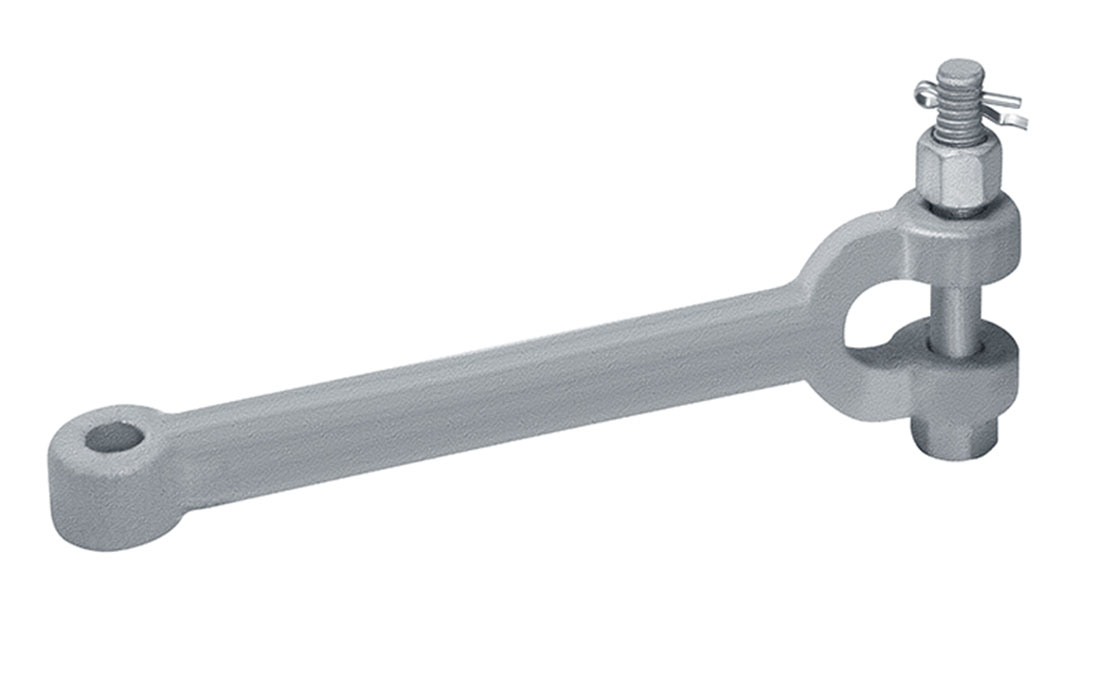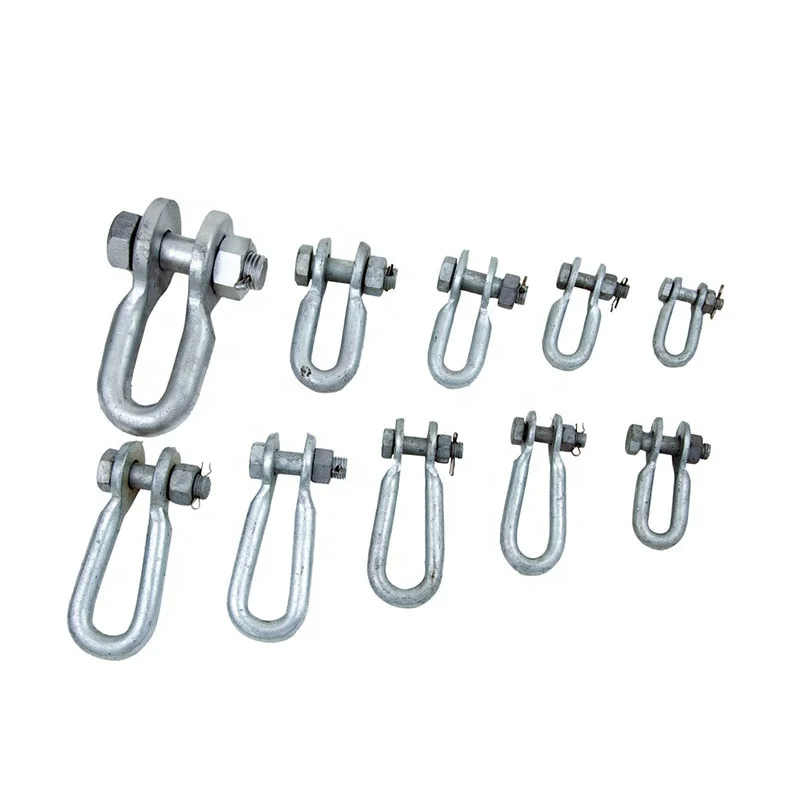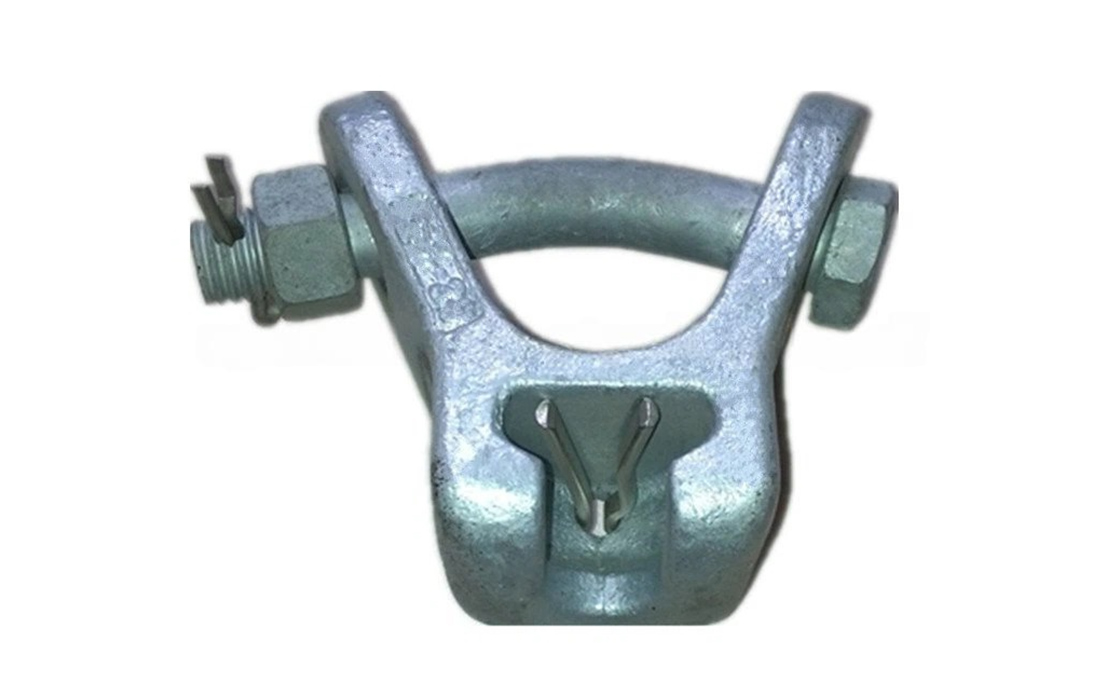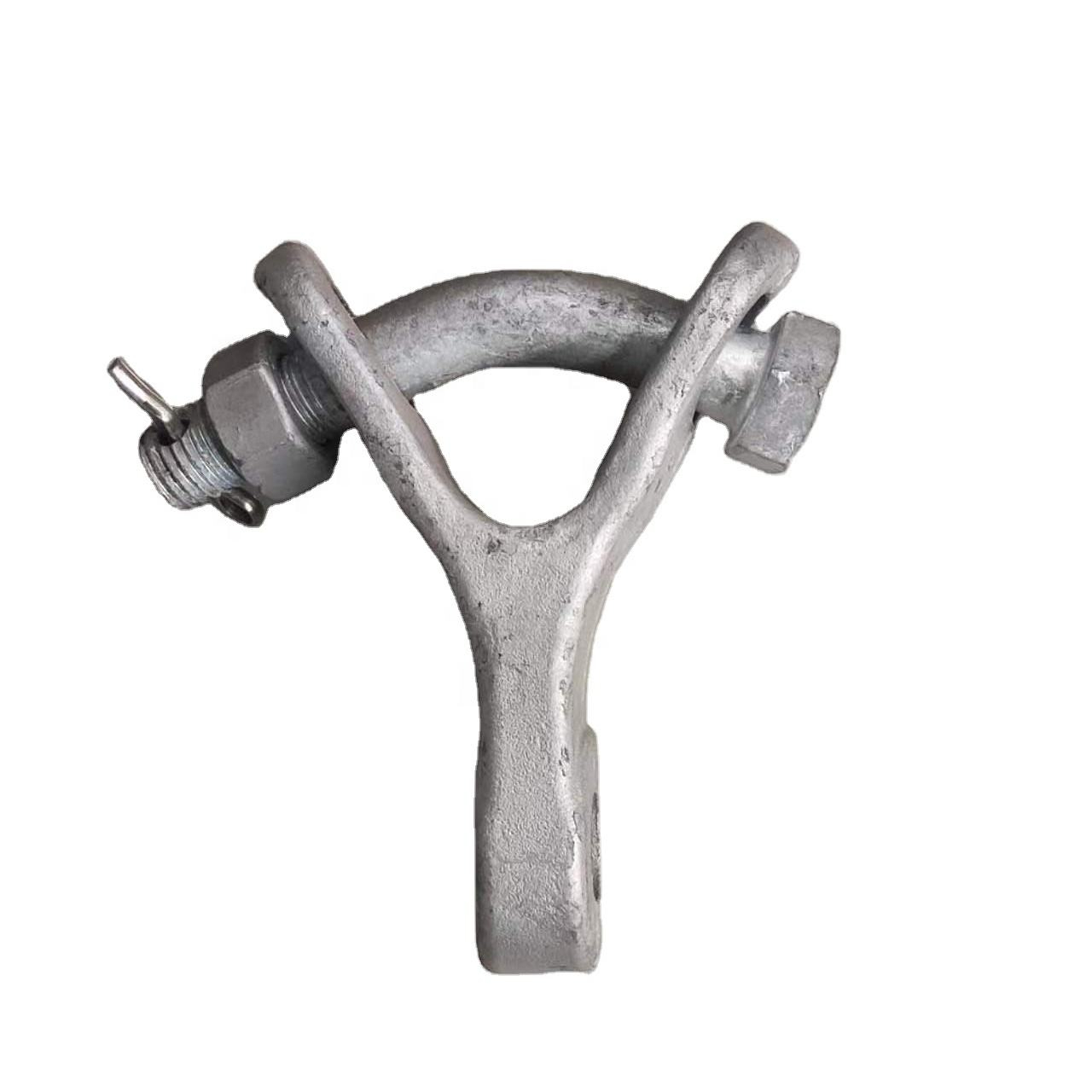
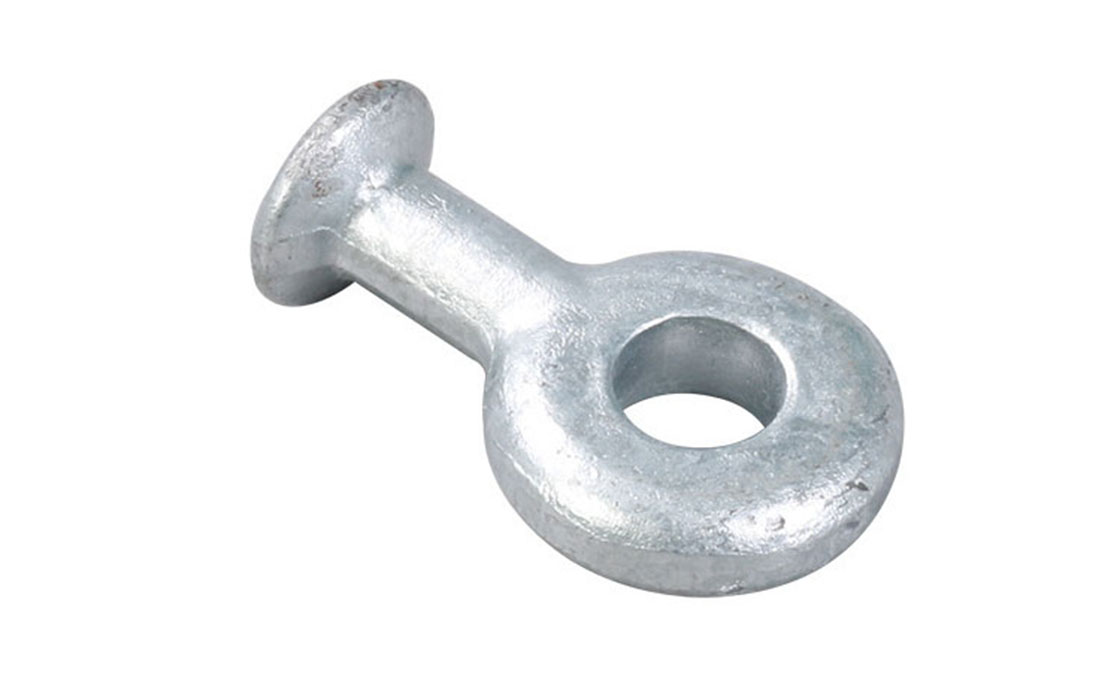
Insulator Ball Eye
- Ball on one end, oval eye on the other — links a ball-socket insulator to eye / strain fittings
- Matched to suspension insulators by ball designation (XP-7, X-16, X-20…)
- IEC 60120 coupling 16 / 20 / 24 mm; ultimate strength 70–300 kN
- Drop-forged steel for high-tension classes, hot-dip galvanized to ISO 1461
- Standard (Q / QP) and long-shank (QH) bodies available
- Interchangeable with ANSI C29.2 Class 52-3 / 52-5 hardware
Technical Specifications
| Catalog | Suitable Insulator | Coupling | Ultimate (kN) | Ball d (mm) | Eye D (mm) | Surface |
|---|---|---|---|---|---|---|
| Q-7 / QP-7 | XP-7 / X-4.5 | 16 mm | 70 | 17 | 33 | HDG |
| QP-10 | X-10 | 16 mm | 100 | 17 | 33 | HDG |
| QP-16 | X-16 | 20 mm | 160 | 21 | 41 | HDG |
| QP-20 | X-20 | 20 mm | 200 | 25 | 49 | HDG |
| QP-30 | X-30 | 24 mm | 300 | 25 | 49 | HDG |
| QH-7 … QH-16 | XP-7 … XP-16 | 16–20 mm | 70–160 | 17–21 | 33–41 | HDG |
| Custom | Long-shank or special couplings per IEC 60120 — send your insulator class | |||||
Application & Installation
Where it is used
The ball eye terminates a ball-and-socket insulator string into an eye or oval-eye connection — for example linking the top of a suspension string to a tower-arm shackle, or a dead-end string to a strain / tension clamp eye. It is selected to match the insulator class and the eye geometry of the mating fitting.
Installation sequence
- Confirm the insulator ball designation (XP-7, X-16…) and pick the matching ball eye.
- Seat the insulator ball into the socket and lock with the W-pin / cotter per IEC 60372.
- Pass the eye over the mating bolt, shackle pin or clamp eye.
- Fit and split the connecting pin / cotter.
- Verify all locking keys are engaged before raising the string.
Buyer’s Guide: Insulator Ball Eye
1. What a Ball Eye Does in a String
A ball eye (Q / QP type) carries a ball on one end and a round oval eye on the other. It converts a ball-and-socket insulator termination into an eye connection so the string can attach to a shackle, bolt or the eye of a strain clamp. It is the eye-ended counterpart of the ball clevis.
2. Match by Insulator Class, Not Guesswork
Each ball eye is rated to a specific insulator: Q-7 / QP-7 suits XP-7 / X-4.5 insulators at 70 kN, QP-16 suits X-16 at 160 kN, QP-30 suits X-30 at 300 kN. Reading the insulator type straight off its datasheet is the reliable way to pick the right ball eye and coupling size.
3. Coupling Size 16 / 20 / 24 mm
The ball pin follows IEC 60120: 16 mm for distribution and light transmission, 20 mm for medium-to-heavy transmission, 24 mm for EHV. In ANSI terms 16 mm aligns with Class 52-3 and 20 mm with 52-5, so the eye drops into existing US-spec strings.
4. Standard (Q / QP) vs Long-Shank (QH)
The QH series adds a longer shank between ball and eye — useful where the string must clear an insulator skirt or a wide arm bracket. Load ratings track the standard series (QH-7 = 70 kN, QH-16 = 160 kN), so you gain reach without losing strength.
5. Forged Steel & Galvanizing
All high-tension ball eyes are drop-forged carbon steel for grain flow and impact strength, then hot-dip galvanized to ISO 1461 for 30+ year corrosion life. Lower classes can be cast where ductility allows; we forge everything from 70 kN up.
6. Cross-Vendor Fit
Because the coupling follows IEC 60120 / ANSI C29.2, a RAX ball eye mates with insulators and fittings from Hubbell, MacLean and PLP of the same designation — convenient for repairs and mixed inventories.