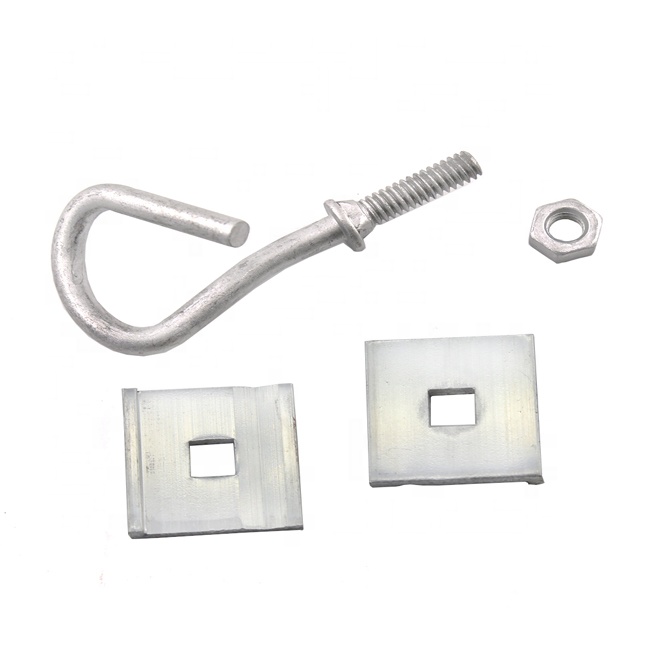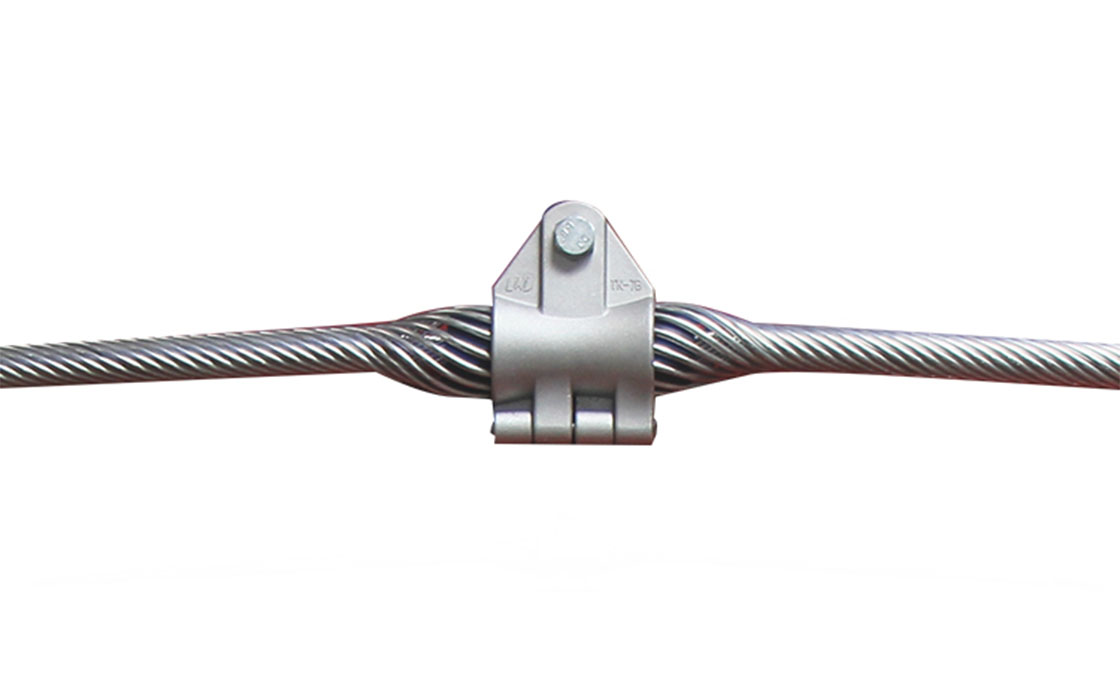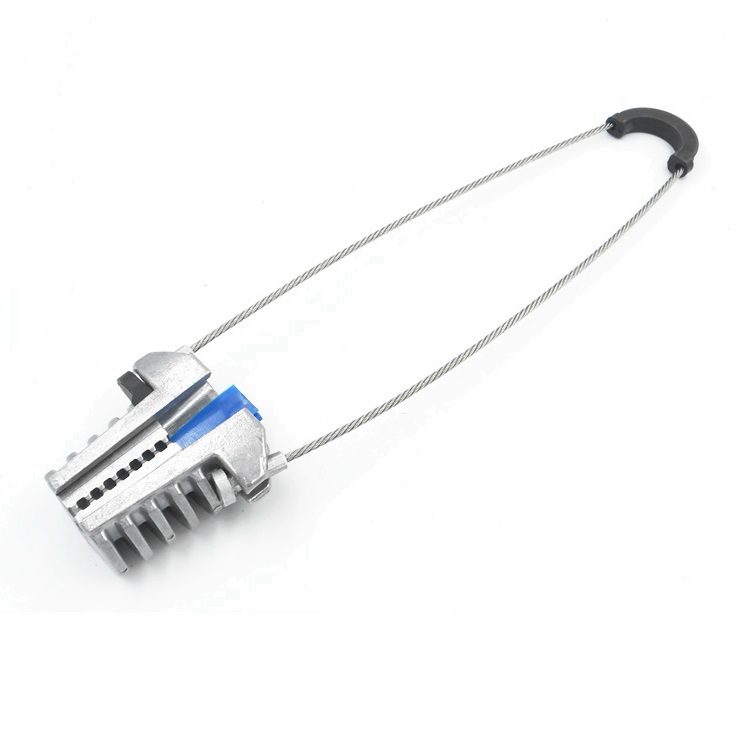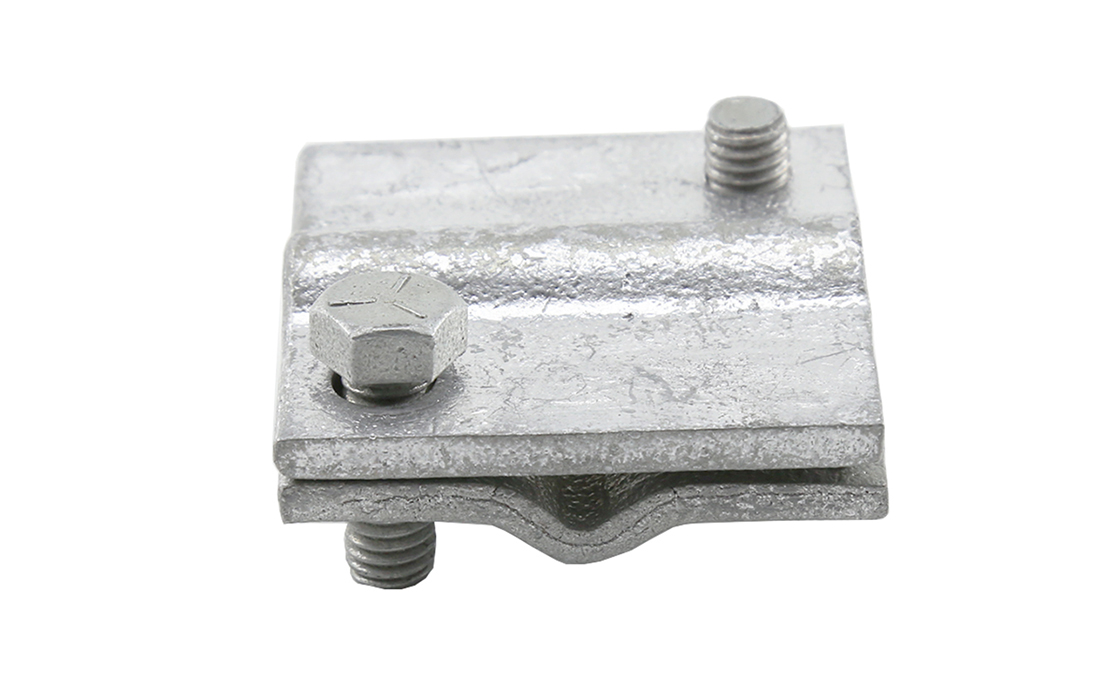
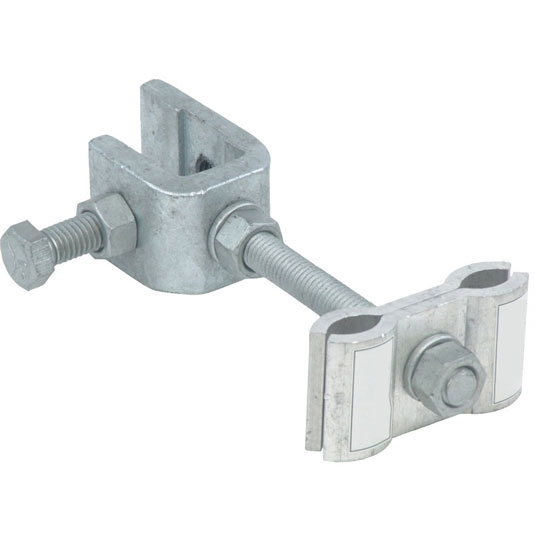
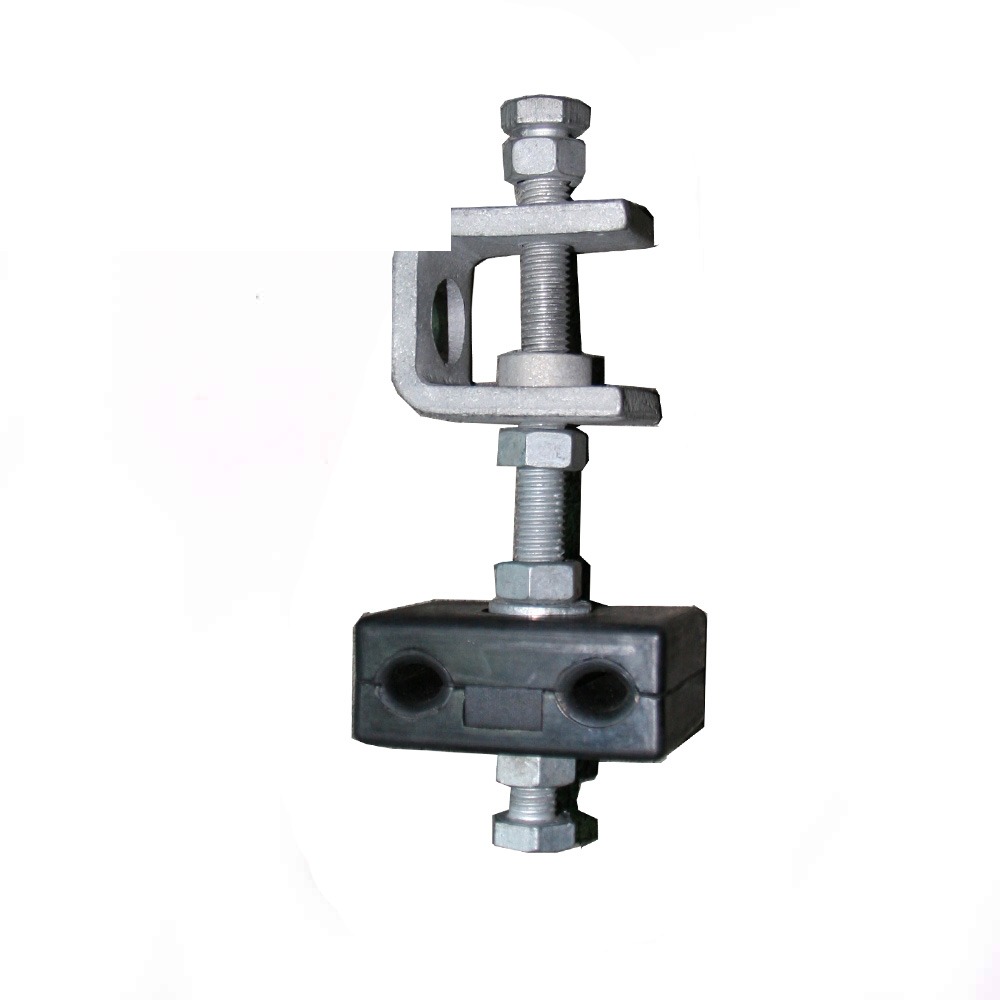
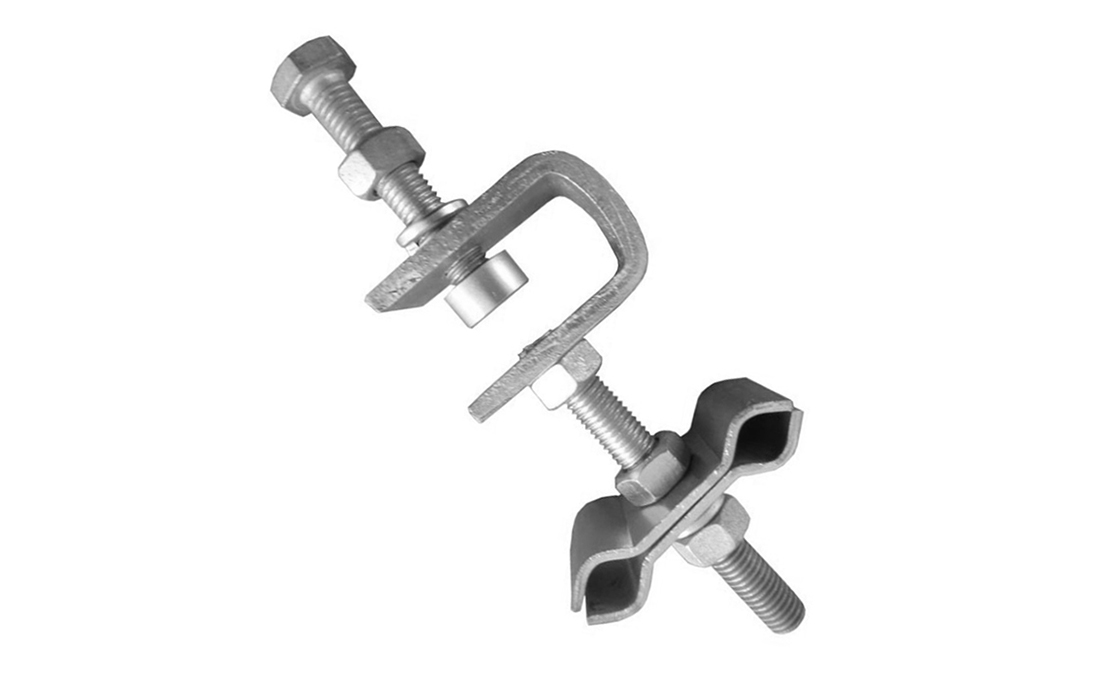
Downlead Clamp
- Fixes the OPGW / earthwire downlead to the tower steel
- Routes the fibre / earth downlead neatly down the leg
- Cushioned grip protects the cable jacket
- Bolts or clips to tower members without drilling
- For OPGW, ground wire and earth downleads
- Galvanized steel / aluminium, UV-stable cushion
Technical Specifications
| Catalog | Cable Ø (mm) | Mount | Cushion | Body | Surface |
|---|---|---|---|---|---|
| RAX-DL-1 | 8–14 | Bolt to angle | EPDM | Aluminium | Al / HDG |
| RAX-DL-2 | 12–18 | Bolt to angle | EPDM | Aluminium | Al / HDG |
| RAX-DL-3 | 16–22 | Clip to flat | EPDM | Steel | HDG |
| Custom | Other sizes / configurations — send your conductor & structure spec | ||||
Application & Installation
Where it is used
The downlead clamp fixes the OPGW or earthwire downlead to the tower steel, guiding the cable from the top fitting down the tower leg to the ground or joint box. A cushioned grip holds the cable at intervals so wind cannot whip it against the steel, protecting the jacket and the fibres inside.
Installation sequence
- Plan the downlead route down the tower leg.
- Fit a clamp at each spacing interval (typically 1.5–3 m).
- Seat the cable in the cushioned grip.
- Bolt or clip the clamp to the tower member.
- Dress the cable so it runs clear of edges.
Buyer’s Guide: Downlead Clamp
1. What a Downlead Clamp Does
A downlead clamp routes and secures the OPGW or earthwire downlead as it runs from the top of the tower down to a joint box or earth. It holds the cable at regular intervals so it stays clear of sharp steel and cannot flog in the wind.
2. Protecting the Cable Jacket
The cushioned (EPDM) grip spreads the clamping load and isolates the cable from the steel edge. For OPGW this matters — a hard clamp or chafe point can crack the jacket and let water reach the fibres.
3. Mounting to Tower Steel
Versions bolt to an angle member or clip to a flat, so no drilling of the tower is needed. Choose by the member type at each fixing point on the leg.
4. Spacing Down the Leg
Fit clamps at 1.5–3 m intervals so the cable is supported against wind and its own weight. Closer spacing on exposed, high-wind towers.
5. Sizing by Cable Diameter
Select by the downlead cable OD (8–22 mm). The cushioned grip must close on the cable firmly but without crushing the OPGW tube.
6. Material
Aluminium or galvanized-steel body with a UV-stable EPDM cushion, for decades of service on the tower leg.