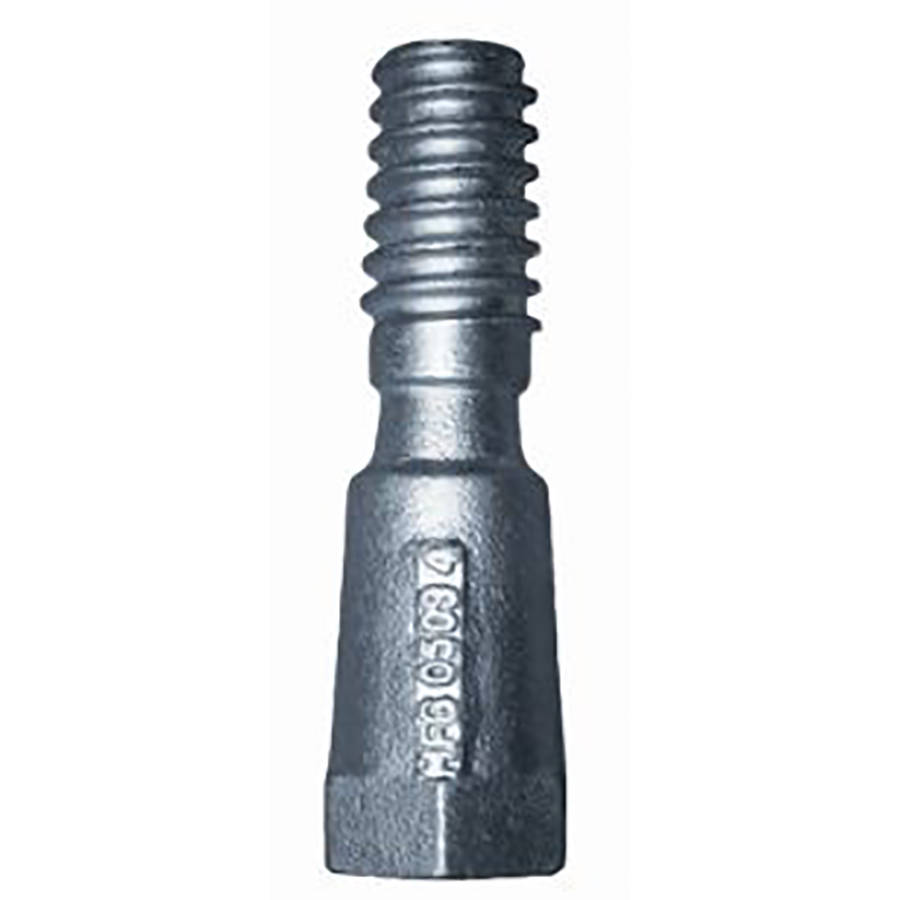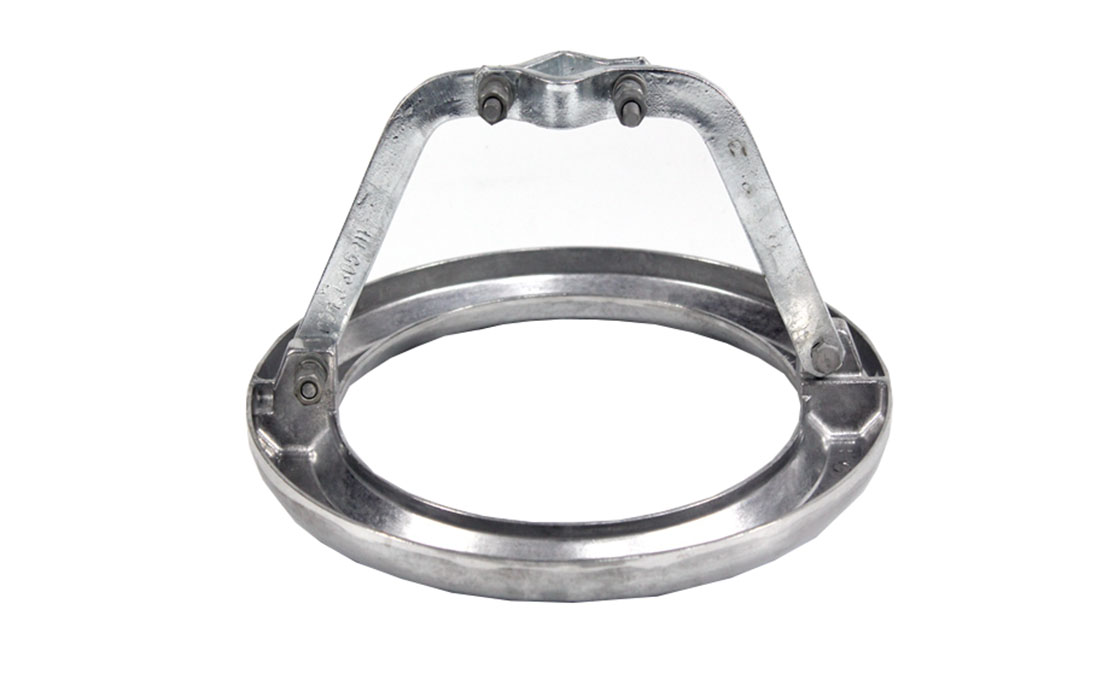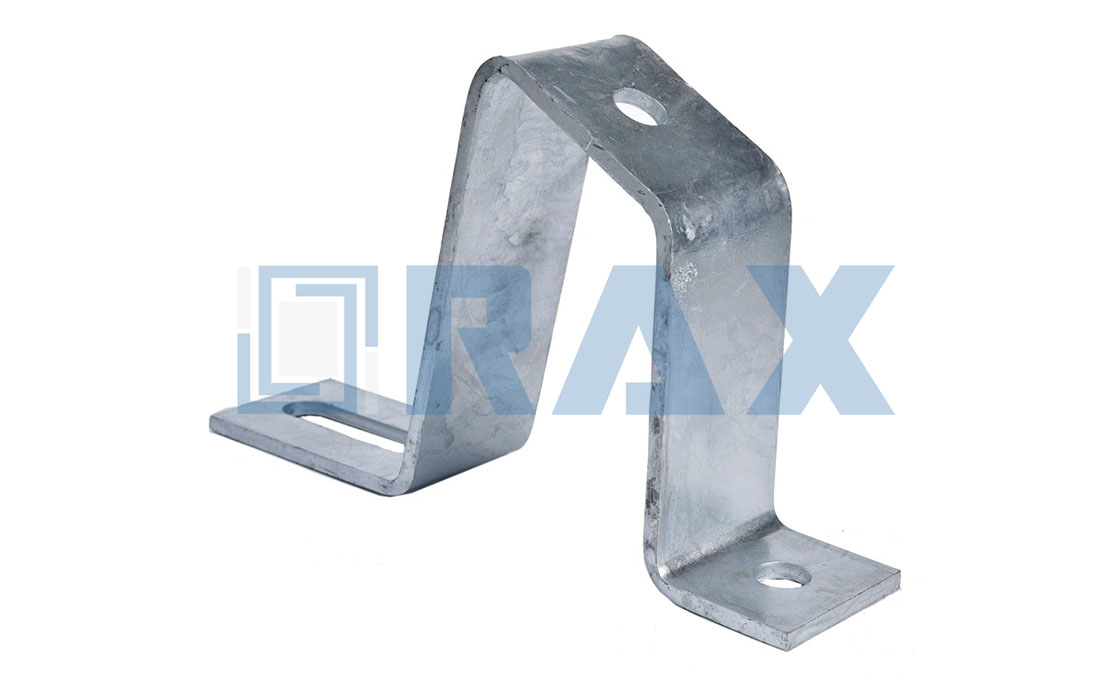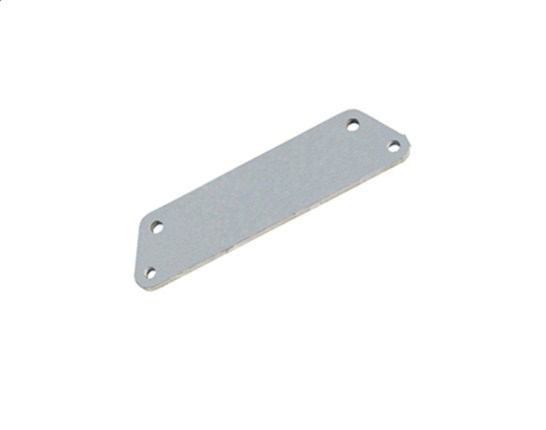
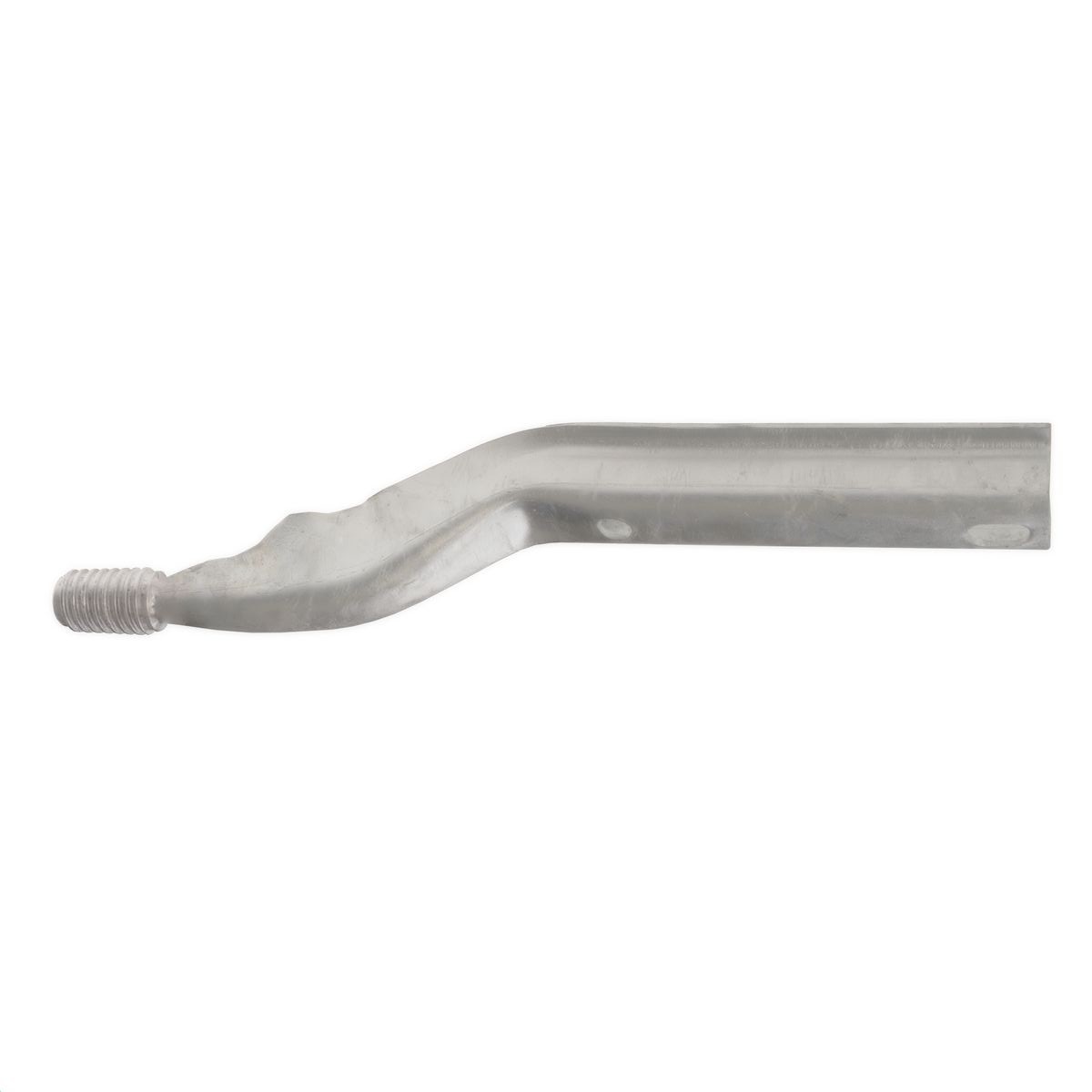
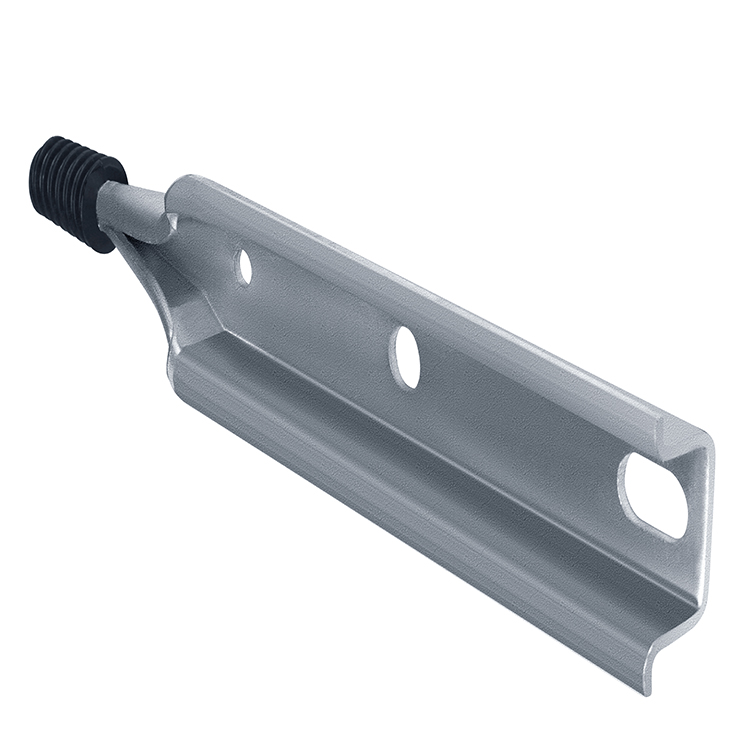
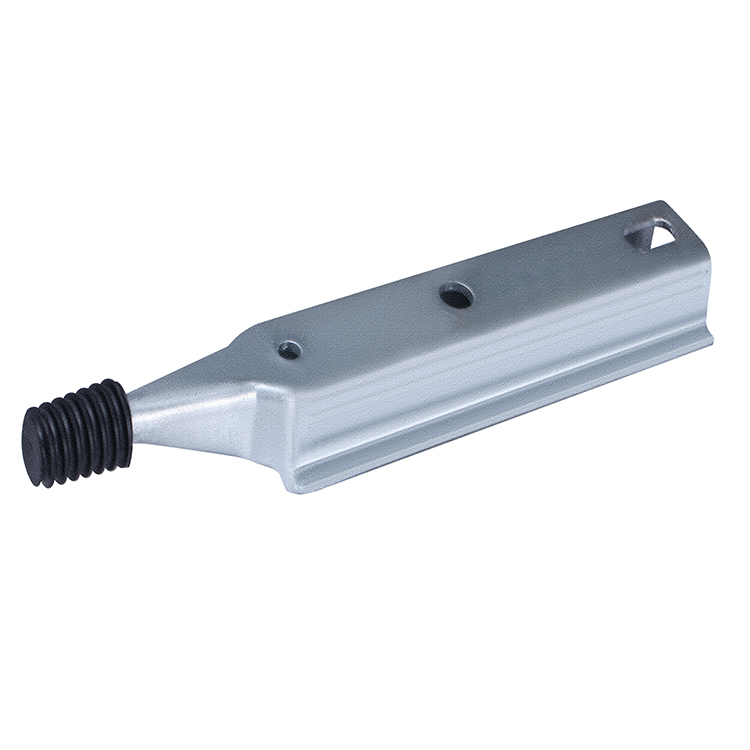
Pole Top Pin
- Vertical pin mounted on a pole-top bracket or plate for the top conductor
- 1 in ANSI / NEMA lead or nylon thread for pin-type insulators
- Base bolts to a pole-top pin bracket; raises the centre phase above the pole
- Cantilever load 1,500–2,500 lb (ANSI/IEEE 10°)
- Cast ductile iron / forged steel, galvanized to ASTM A-153
- Pairs with our pole-top pin bracket for a complete top assembly
Technical Specifications
| Catalog | Thread | Base | Cantilever (lb) | Body | Use Case | Surface |
|---|---|---|---|---|---|---|
| RAX-PTP-1 | 1 in lead | Single bolt | 1,500 | Ductile iron | Distribution pole top | HDG |
| RAX-PTP-1N | 1 in nylon | Single bolt | 1,500 | Ductile iron | Distribution pole top | HDG |
| RAX-PTP-HD | 1 in lead | Two bolt | 2,500 | Forged steel | Heavy / angle pole top | HDG |
| Custom | 1-3/8 in thread or special base — send your bracket and insulator spec | |||||
Application & Installation
Where it is used
The pole-top insulator pin carries the top (centre) phase on a distribution pole, mounted on a pole-top pin bracket or plate so the conductor sits above the pole rather than on a crossarm. It is the standard support for the top conductor on vertical and triangular distribution constructions.
Installation sequence
- Fix the pole-top pin bracket / plate to the pole top.
- Bolt the pin base to the bracket with the supplied hardware.
- Confirm the pin stands vertical and centred over the pole.
- Thread the pin-type insulator onto the lead / nylon top.
- Tie the conductor into the insulator groove.
Buyer’s Guide: Pole Top Pin
1. What a Pole-Top Pin Does
A pole-top insulator pin supports the top conductor directly over the pole. Mounted on a pole-top bracket, it raises the centre phase clear of the structure — the basis of vertical and triangular distribution layouts that need no full crossarm for the top wire.
2. Base & Bracket Pairing
The pin bolts to a pole-top pin bracket or plate; single-bolt bases suit light distribution, two-bolt bases resist the higher moment at angle poles. Order the matching bracket so base holes and load rating align.
3. Cantilever for the Top Phase
Because the top pin stands highest and often takes the angle of the line, use the 1,500–2,500 lb cantilever ratings against the resultant tension at the pole, not just straight-line pull.
4. Lead vs Nylon Thread
The insulator top is 1 in ANSI cast lead or moulded nylon. Lead conforms tightly; nylon is lighter and re-threads cleanly. Match your pin-type insulator stock.
5. Vertical & Triangular Constructions
The pole-top pin is what lets you run the top phase over the pole in vertical or triangular framing — saving a crossarm and narrowing the right-of-way. Combine with side brackets for the lower phases.
6. Material & Galvanizing
Cast ductile iron (ASTM A-536) or forged steel for heavy bases, hot-dip galvanized to ASTM A-153, shipped with mounting hardware for 30+ year pole-top service.