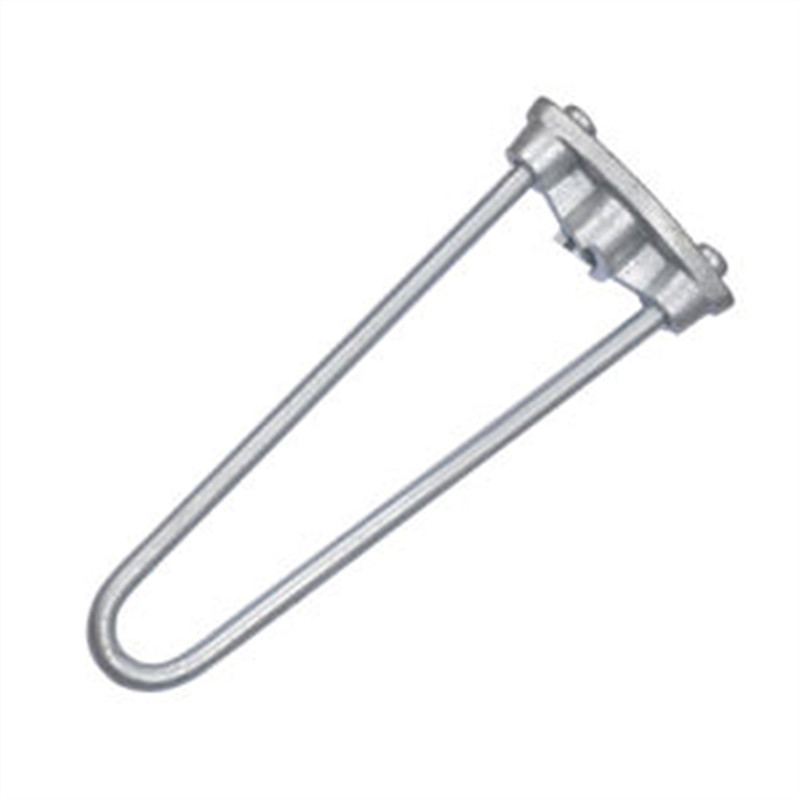
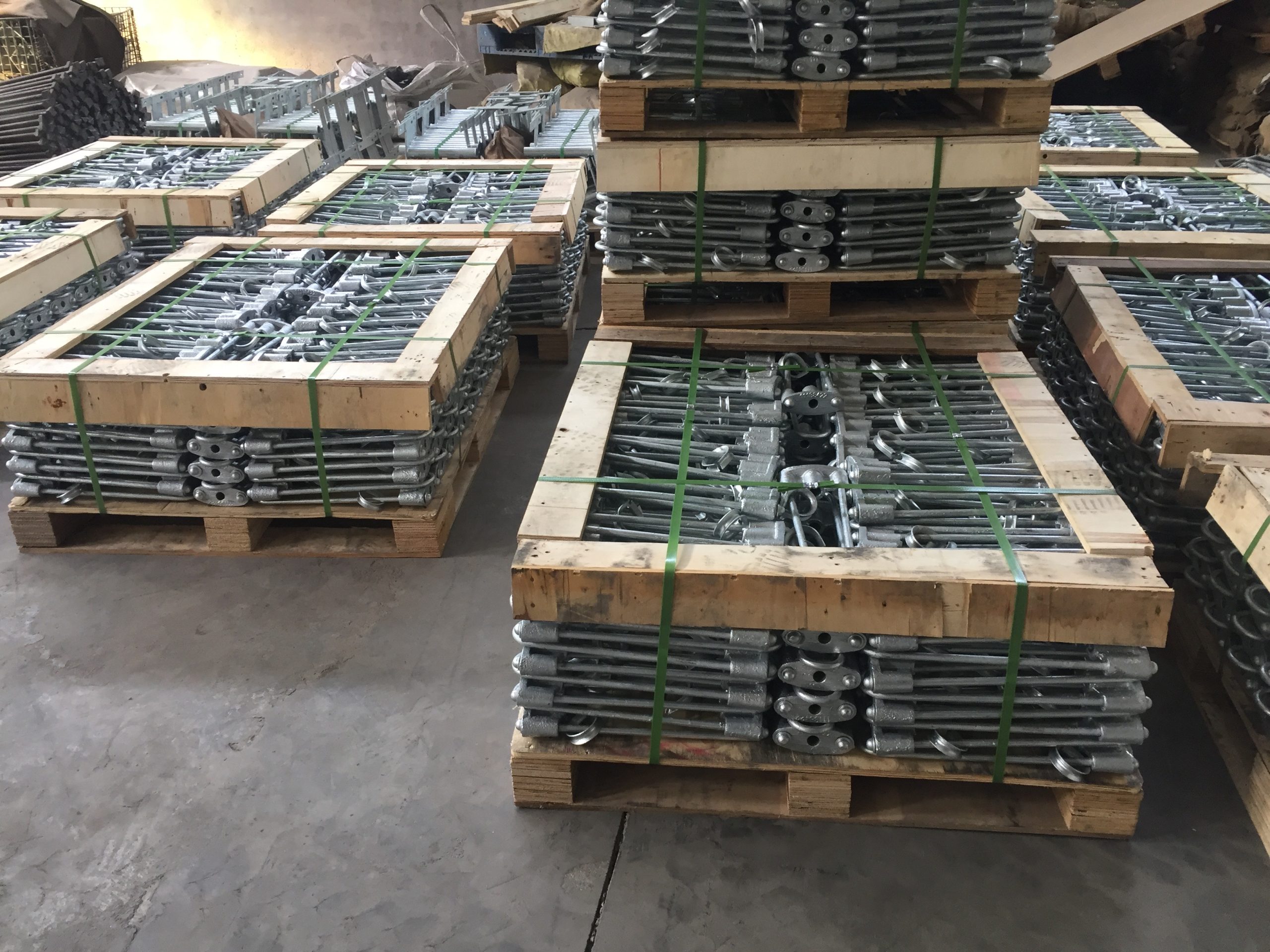
Stay Rod Assembly
- Connects the guy wire (top) to the ground anchor (bottom) on any guyed pole
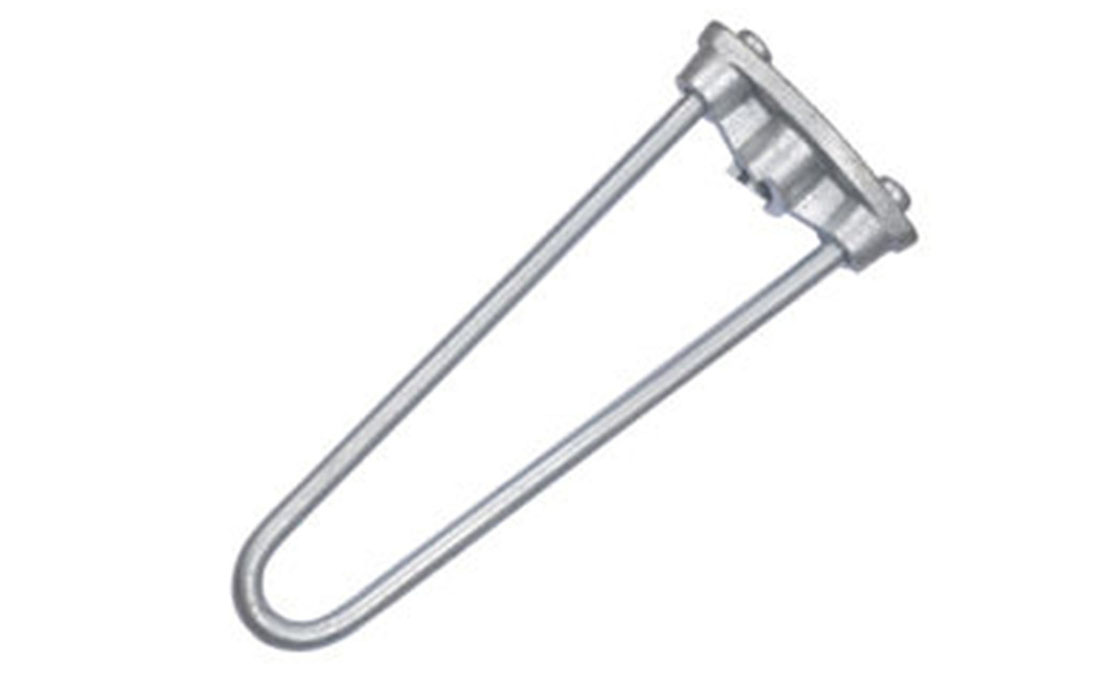
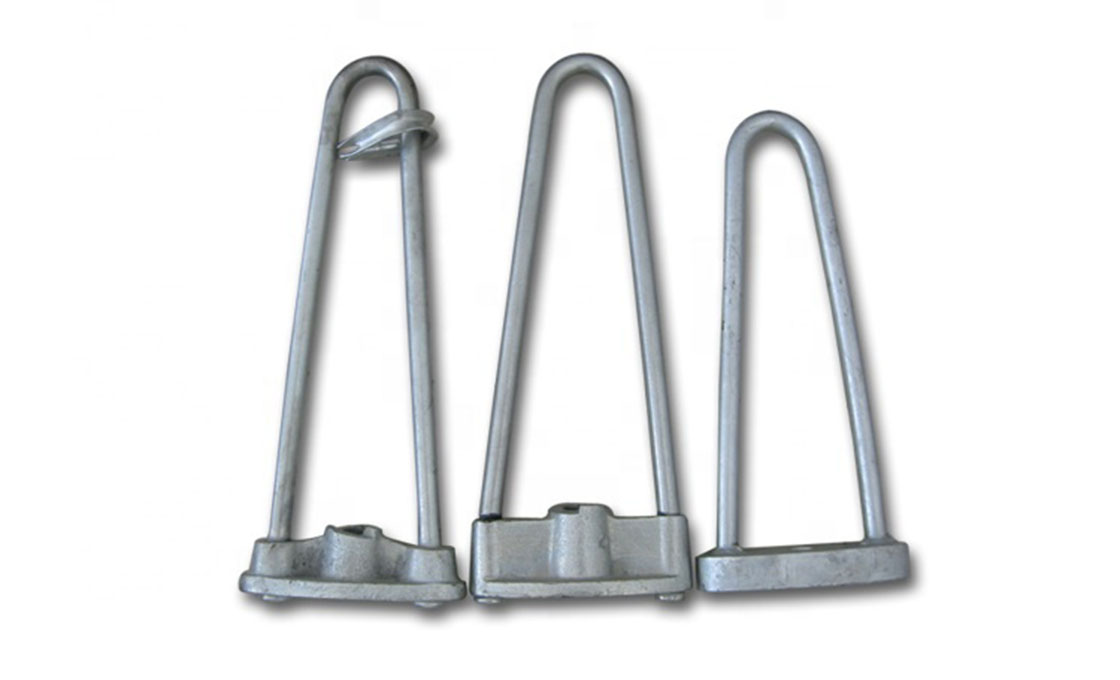
- 2 styles: Bow (curved, distributes load) & Tubular (turnbuckle-adjustable)
- 5 sizes: 5/8 / 3/4 / 1 in rod diameter, 3,000 to 10,000 lb working load
- Hot-dip galvanized to ASTM A153 Class C — rated for buried service
Technical Specifications
| Catalog | Style | Rod Diameter | Rod Length | Working Load | Weight | Use Case |
|---|---|---|---|---|---|---|
| RAX-SR-B-58-1800 | Bow | 5/8 in (16 mm) | 1,800 mm (6 ft) | 3,000 lb (13 kN) | 1.8 kg | Distribution |
| RAX-SR-B-34-2000 | Bow | 3/4 in (20 mm) | 2,000 mm (6.5 ft) | 5,000 lb (22 kN) | 2.6 kg | Heavy distribution |
| RAX-SR-B-1-2400 | Bow | 1 in (25 mm) | 2,400 mm (8 ft) | 10,000 lb (44 kN) | 5.0 kg | Transmission |
| RAX-SR-T-34-2000 | Tubular | 3/4 in (20 mm) | 2,000 mm (6.5 ft) | 5,000 lb (22 kN) | 2.4 kg | Heavy distribution |
| RAX-SR-T-1-2400 | Tubular | 1 in (25 mm) | 2,400 mm (8 ft) | 10,000 lb (44 kN) | 4.6 kg | Transmission |
Application & Installation
Where it is used
- Guyed dead-end and line-angle poles where the conductor pull requires anchoring
- Substation egress poles supporting multiple incoming circuits
- Distribution line corners and tap-off poles
- Transmission pole guy anchors (1-inch rod for ≥69 kV)
- Rural electrification per RUS 1728F-810 stay assembly drawings
Installation sequence
- Set the ground anchor at the planned guy angle (typically 45° from the pole base, ±5° max departure).
- Couple the stay rod’s bottom end to the anchor’s eye or thread.
- Pull the rod taut so its top eye sits at the planned guy elevation.
- Attach the guy wire to the rod’s top eye nut via a thimble + 3 guy clamps (saddle facing the live end).
- Tension the guy until the pole shows no lean under load (use the turnbuckle on tubular variants for fine adjustment).
- Verify the rod-to-anchor angle is within ±5° of straight; misalignment will side-load the anchor.
Buyer’s Guide: Stay Rod Assembly
1. What Components Make Up a Complete Stay Rod Assembly?
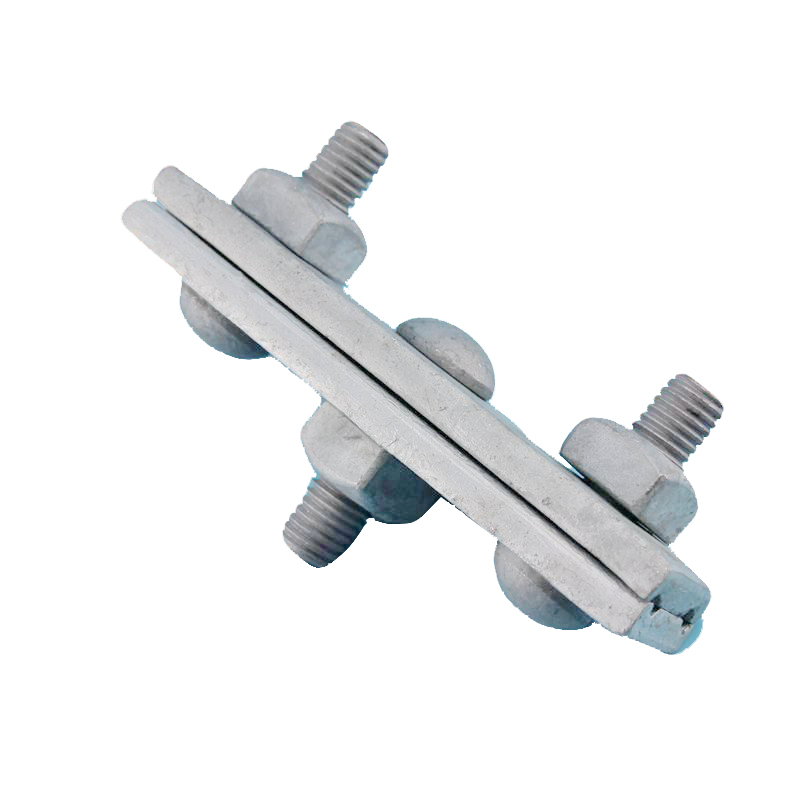
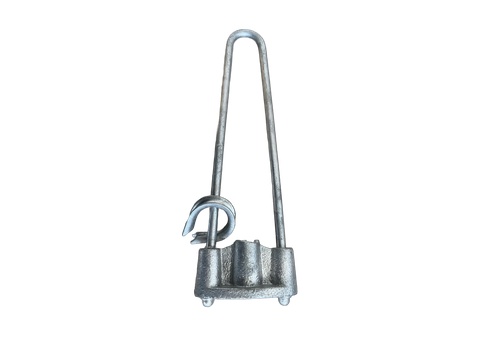
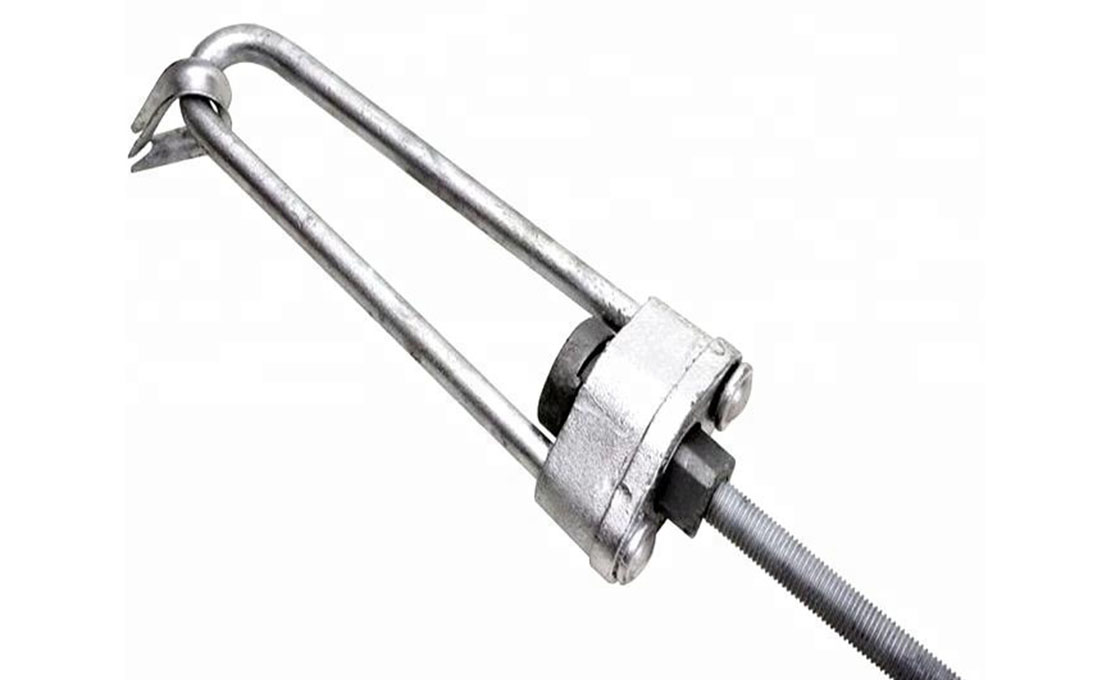
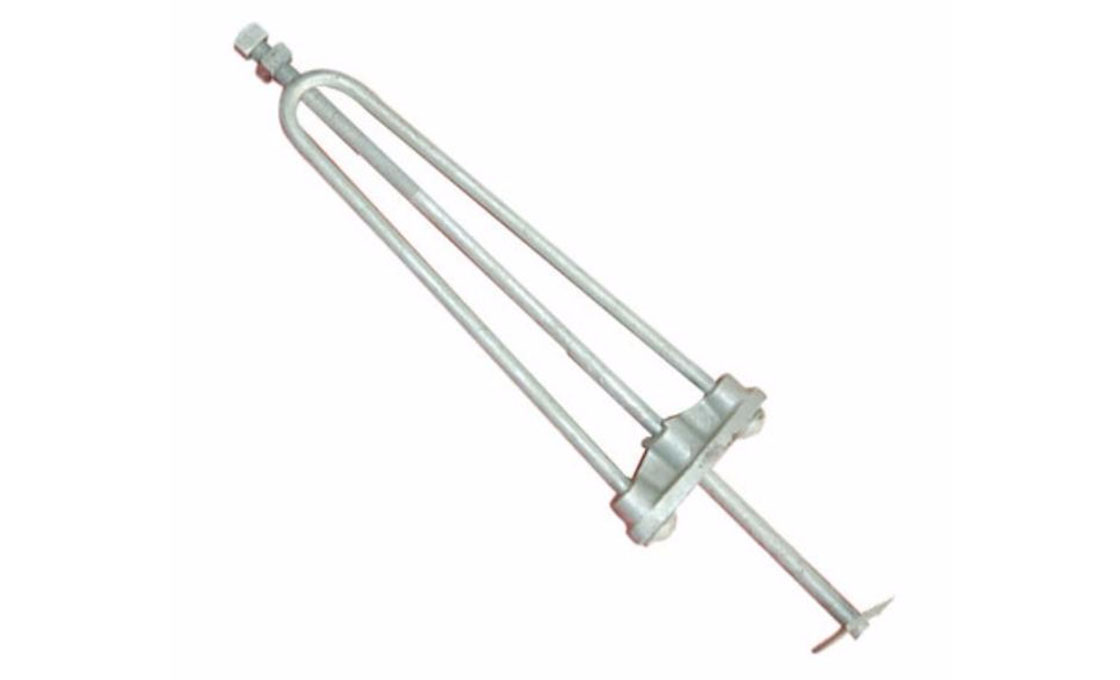
A complete bow-type stay rod assembly includes five pieces: the threaded rod (the long galvanized shaft), the bow (a curved cast-iron yoke that bolts to the anchor face), the square base plate that distributes the bow’s load against the soil or anchor, a steel thimble at the top of the rod (where the guy wire’s loop sits without sharp bending), and a ratchet eye nut or hex nut at the very top (where the guy wire’s first clamp anchors). Tubular stay rods omit the bow and base plate, replacing them with a turnbuckle or threaded sleeve at the bottom end — the rod attaches directly to a helical or screw anchor’s eye via a coupling nut. Ordering “just the rod” leaves you scrambling for the bow + plate + thimble; specify “complete assembly” at order, or list the components individually if you’re supplementing existing stock.
2. Bow Type vs Tubular — Which Style Fits Your Installation?
The bow type is the standard for transmission and heavy distribution. The curved cast-iron bow distributes the rod’s pull across a large area of the anchor face, reducing peak soil pressure and improving long-term holding power. Use it with cross-plate, expanding plate, or pile-driven anchors. The tubular type is simpler and more compact — just a threaded rod with a turnbuckle at the bottom — better suited to helical and screw anchors where the anchor’s eye threads directly onto the rod. The turnbuckle also gives you field tensioning capability without re-pulling the guy. For routine distribution at 12–25 kV with screw anchors, tubular is the faster and cheaper choice. For transmission or any application requiring the highest pull-out resistance, bow.
3. Sizing by Rod Diameter & Working Load
Match rod diameter to the maximum sustained guy tension, with a 4:1 safety factor to ultimate failure:
- 5/8 in (16 mm) rod — 3,000 lb (13 kN) working load. Light to standard distribution, residential service drops, telecom guy anchors.
- 3/4 in (20 mm) rod — 5,000 lb (22 kN) working load. Heavy distribution, line-angle corners, light transmission.
- 1 in (25 mm) rod — 10,000 lb (44 kN) working load. Transmission, dead-ends, substation egress.
For ACSR conductors heavier than 4/0 or any 69+ kV transmission, default to 1-inch rod. For unbalanced loading (one-sided dead-ends without offsetting guys), step up one size from the working-load calculation.
4. Length Selection: Pole Lean Angle + Anchor Depth Geometry
Stay rod length is set by the geometry of the guy wire’s angle and the anchor’s burial depth. The standard 45° guy angle (measured from the pole’s vertical axis) requires rod length = (guy elevation above grade) × cos(45°) + anchor depth + 200 mm of working clearance at each end. For typical 30-ft poles with guys at 25 ft elevation and anchors at 1.5 m depth: 25 ft × 0.707 + 1.5 m + 0.4 m clearance ≈ 2,400 mm — the RAX-SR-B-1-2400 length. Steeper guys (closer to vertical) need shorter rods; flatter guys (more horizontal) need longer. Tubular variants give ±100 mm of field adjustment via the turnbuckle, which absorbs minor surveying errors.
5. Anchor Compatibility: Helical / Cross-Plate / Bullet / Expanding
The rod’s bottom-end fitting must match your anchor’s connection type. Bow stay rods pair with cross-plate anchors (flat plate buried horizontally), expanding plate anchors (open-flange after installation), and bullet / pile-driven anchors (the bow’s plate bolts to the anchor’s exposed flange). Tubular stay rods pair with helical anchors (the rod threads onto the anchor’s eye), screw anchors (same), and arrowhead anchors via a coupling. If your project drawing specifies a particular anchor catalog number (e.g., Hubbell Chance PISA), tell us at order — we ship the rod with the matching end fitting pre-installed.
6. Hot-Dip Galvanizing for Buried Service
Stay rods are buried in soil for their entire service life — the most aggressive corrosion environment a steel fitting will ever face. Standard galvanizing per ASTM A153 Class C requires a minimum 86 μm zinc coating on the rod, with thicker coatings on the bow and plate (typically 100–130 μm). For C5 corrosivity environments — coastal saline soils, industrial chemical exposure, peat or organic high-acidity soils — specify duplex coating (HDG + epoxy or polyester paint over) at order, which extends service life from 30 years to 50+. For the most aggressive environments (oilfield acid soils, marine intertidal), stainless steel rod construction is available at 3× the cost with 10–14 day tooling lead time.