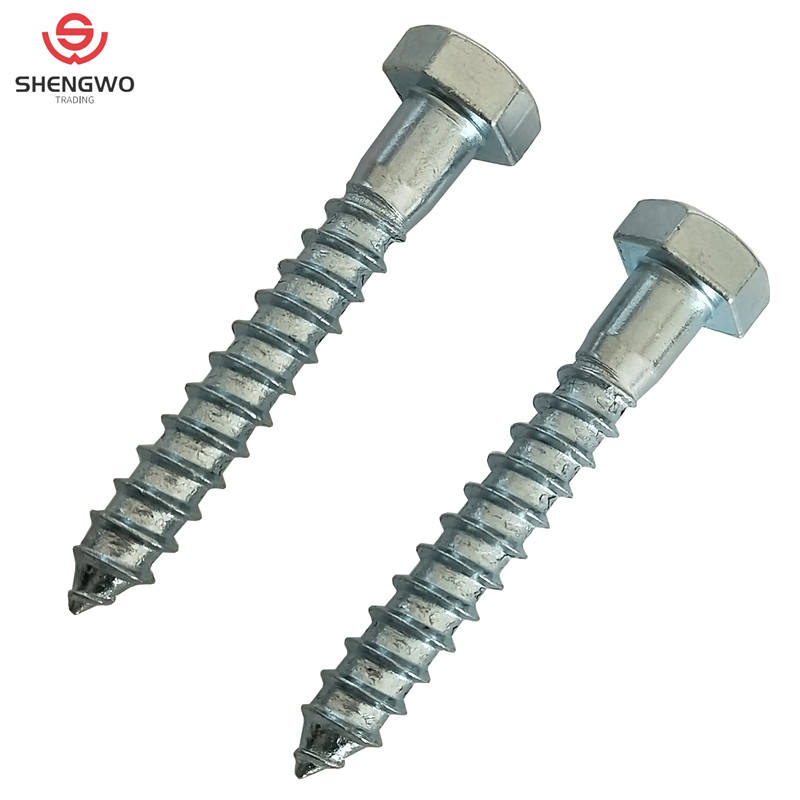
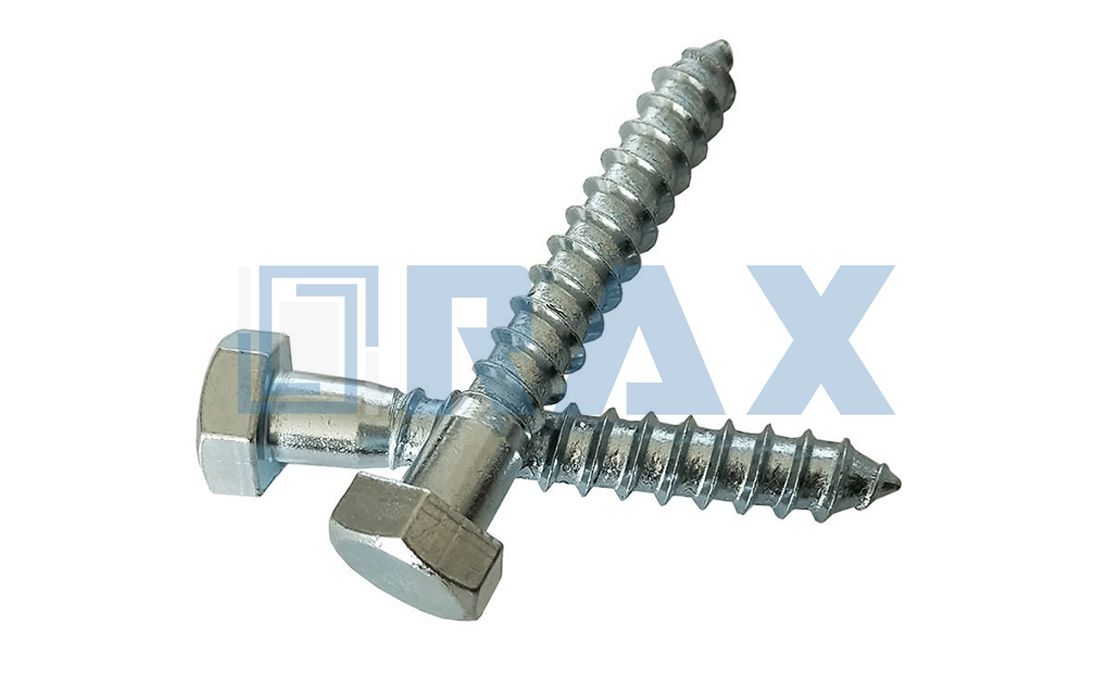
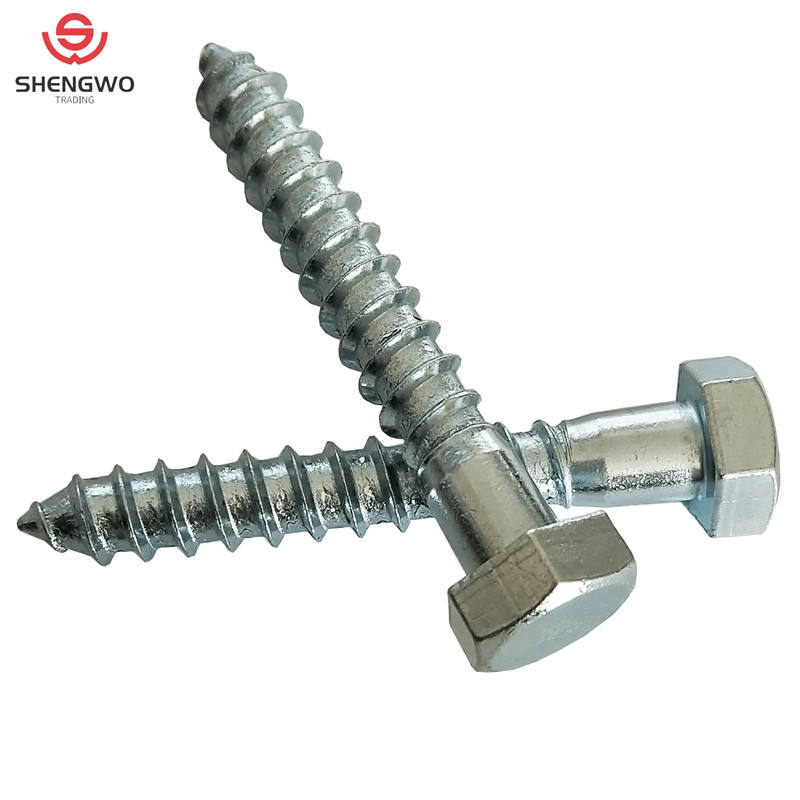
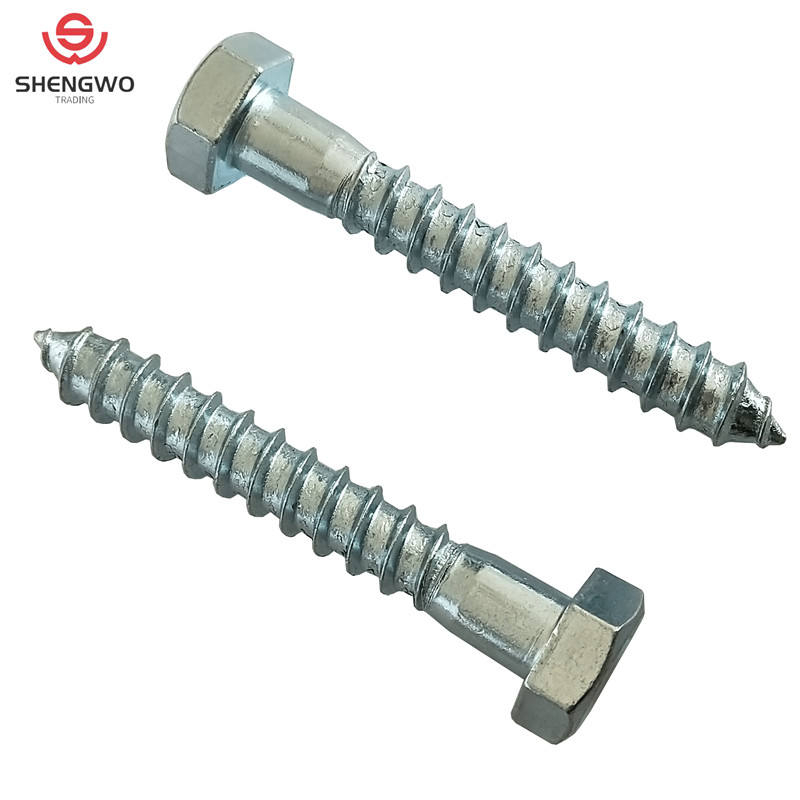
Hex Head Lag Screw
- Hex-head lag screw — threads directly into wood, no nut needed
- Coarse wood thread for poles, arms and timber brackets
- Hot-dip galvanized to ASTM A-153
- 5/16 / 3/8 / 1/2 in diameter, lengths to suit
- Drives with a wrench into a pilot hole
- For brackets, steps, racks and hardware on wood poles
Technical Specifications
| Catalog | Diameter | Length (in) | Thread | Drive | Surface |
|---|---|---|---|---|---|
| RAX-LAG-516 | 5/16 in | 2–4 | Coarse wood | Hex | HDG |
| RAX-LAG-38 | 3/8 in | 3–6 | Coarse wood | Hex | HDG |
| RAX-LAG-12 | 1/2 in | 4–8 | Coarse wood | Hex | HDG |
| Custom | Other sizes / configurations — send your conductor & structure spec | ||||
Application & Installation
Where it is used
The hex-head lag screw threads directly into a wood pole or crossarm, holding hardware where a through-bolt is not needed or not possible. Its coarse wood thread bites the timber and the hex head drives with a wrench — used for brackets, pole steps, racks and light hardware on wood structures.
Installation sequence
- Select the diameter and length for the hardware and timber.
- Drill a pilot hole sized for the screw shank.
- Start the lag screw into the pilot by hand.
- Drive it home with a wrench until the head seats.
- Do not overdrive — stop when the hardware is tight.
Buyer’s Guide: Hex Head Lag Screw
1. What a Lag Screw Does
A hex-head lag screw is a heavy wood screw with a hex drive. It threads straight into a wood pole or arm to hold hardware, where running a through-bolt is unnecessary or impossible (e.g. into a pole face with no rear access).
2. Coarse Wood Thread
The deep, coarse thread bites and holds in timber. A correctly sized pilot hole lets the screw cut without splitting the wood while keeping full thread engagement and pull-out strength.
3. Pilot Hole Matters
Drill the pilot to the screw's shank (root) diameter. Too small and the wood splits or the screw shears; too large and the thread will not hold. The pilot is the difference between a sound and a weak fixing.
4. Diameter & Length
5/16, 3/8 and 1/2 in diameters in lengths to suit the hardware plus adequate embedment in sound timber. Deeper embedment for higher pull-out load.
5. Galvanizing
Hot-dip galvanized to ASTM A-153 so the screw lasts in the wet pole-top environment without corroding in the timber.
6. Where It Fits
Pole steps, secondary racks, brackets, wire holders and light hardware on wood poles and arms. Where the load is high or two-sided access exists, use a through-bolt instead.