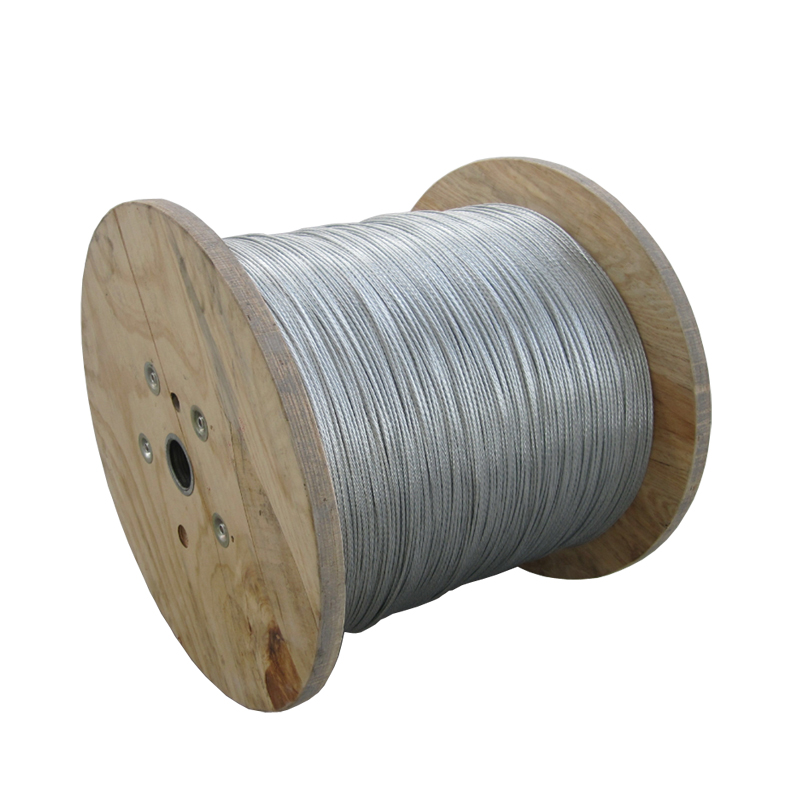
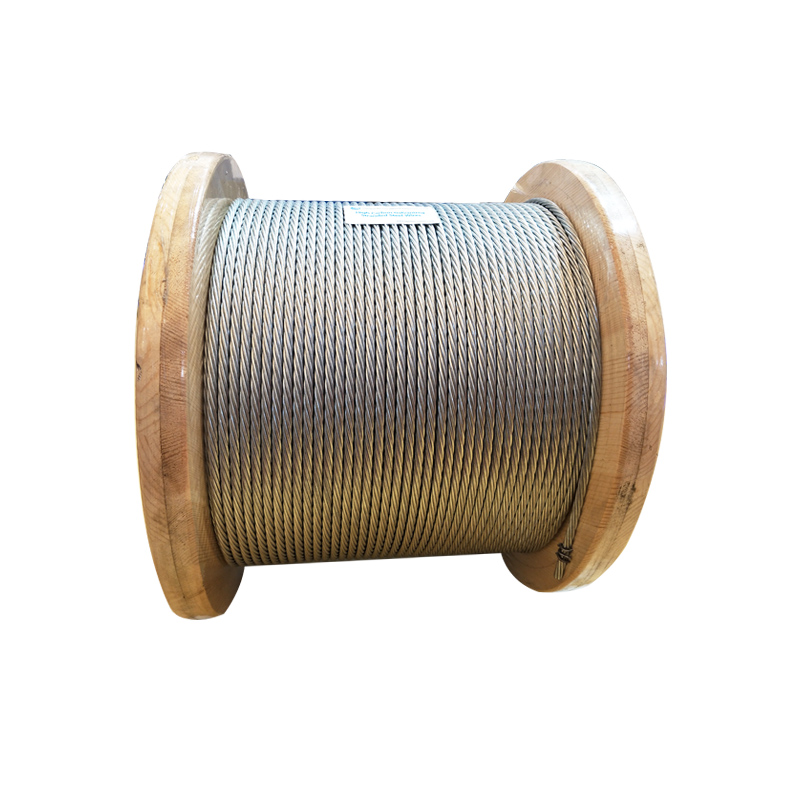
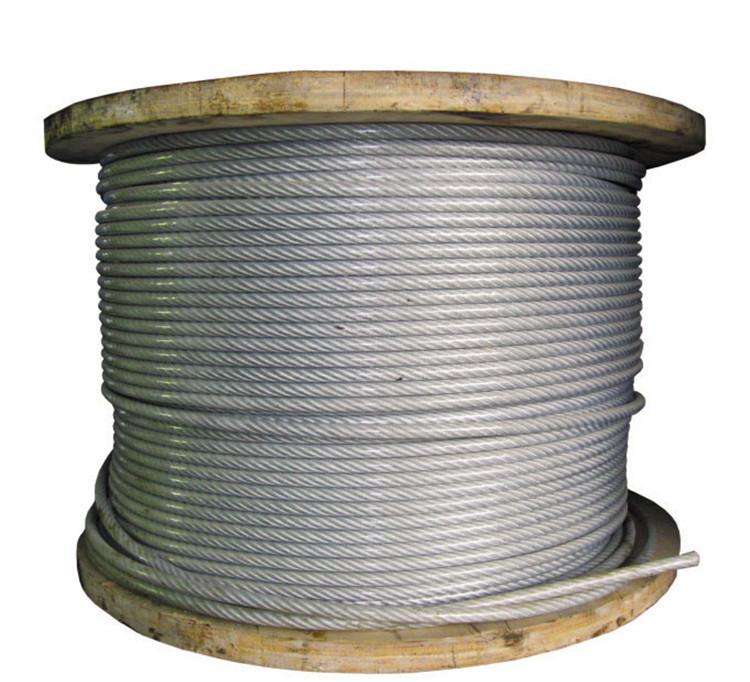
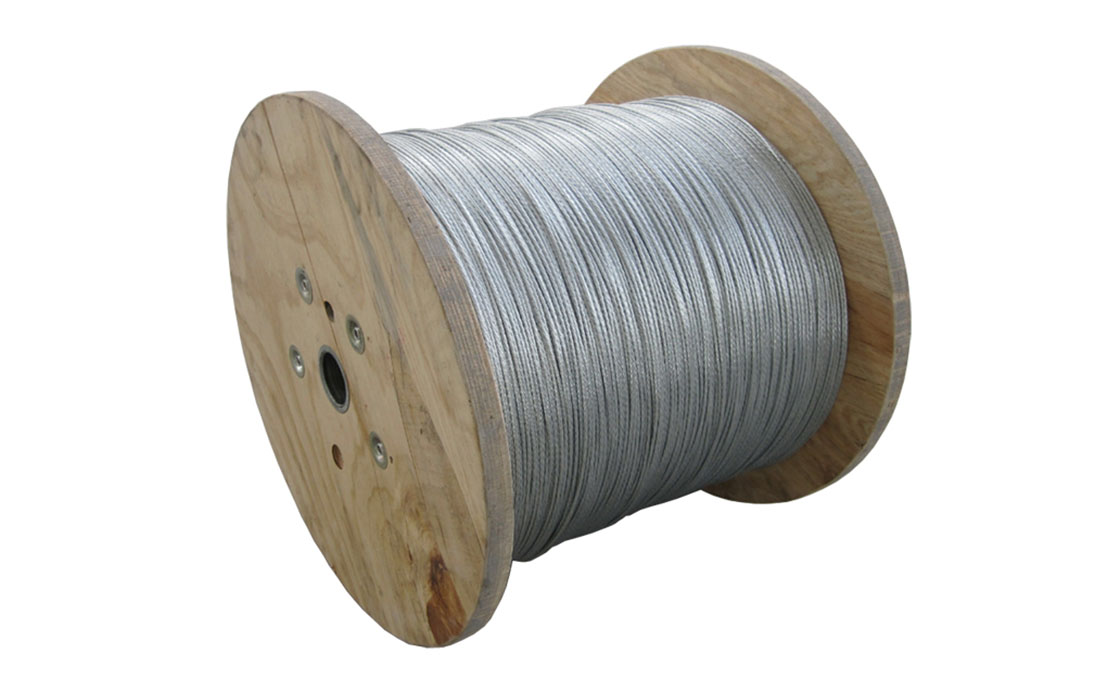
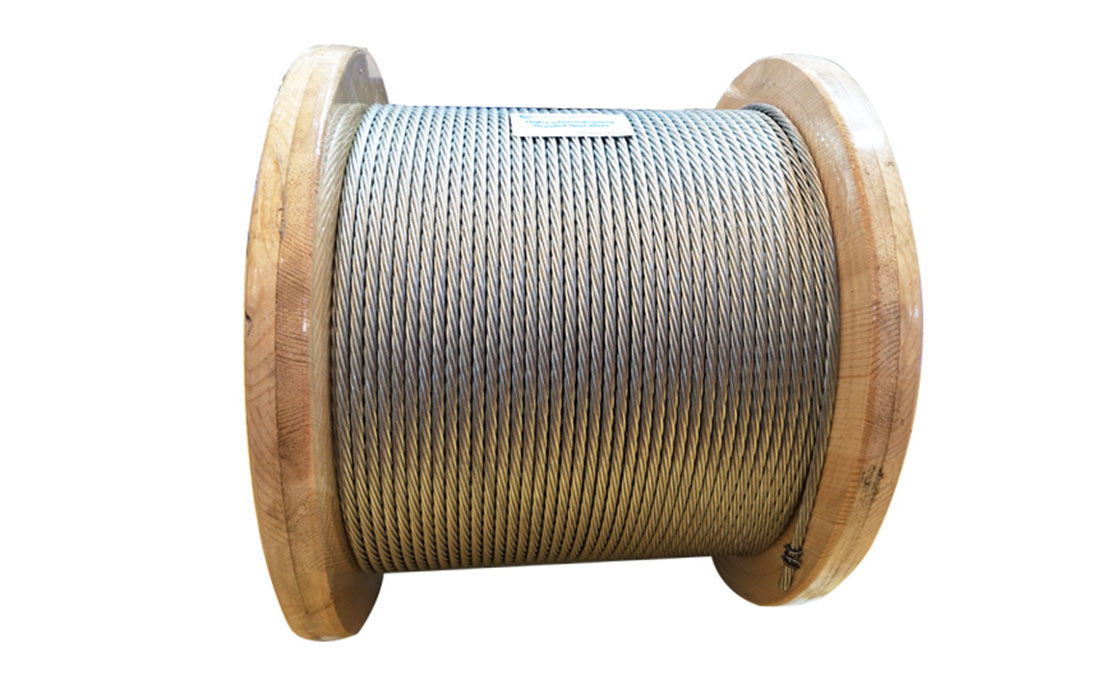
Guy Wire
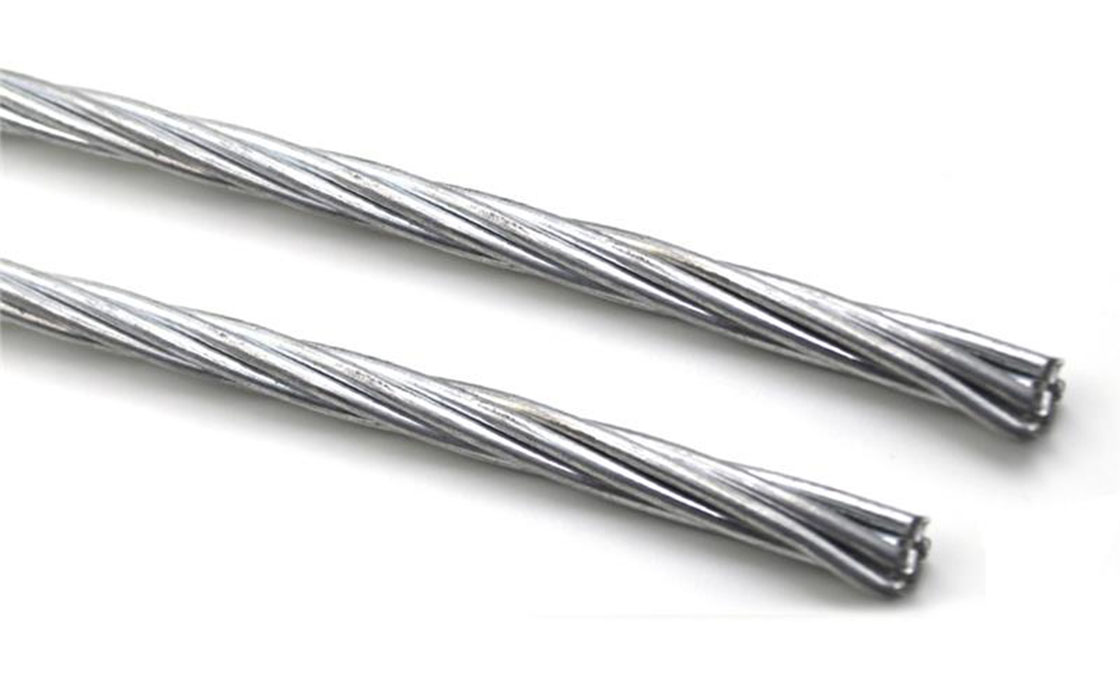
- Galvanized steel guy strand for down-guys, span-guys and stays
- 7-wire (1×7) and 19-wire (1×19) constructions
- EHS, HS and Utilities grades per ASTM A475 / A363
- Class A / B / C zinc coating for corrosion life
- Sizes 5/16, 3/8, 7/16, 1/2 in (7.9–12.7 mm)
- Pairs with our guy grips, thimbles and anchor hardware
Technical Specifications
| Catalog | Size | Construction | Grade | Breaking Load (kN) | Coating |
|---|---|---|---|---|---|
| RAX-GW-516 | 5/16 in | 1×7 | EHS | 46.7 | Class A |
| RAX-GW-38 | 3/8 in | 1×7 | EHS | 68.4 | Class A |
| RAX-GW-716 | 7/16 in | 1×7 | EHS | 91.2 | Class A |
| RAX-GW-12 | 1/2 in | 1×7 | EHS | 120.1 | Class A |
| Custom | Other sizes / grades / coatings — send your guy load & environment | ||||
Application & Installation
Where it is used
Guy wire (guy strand) is the galvanized steel stranded cable that holds a pole or structure against the unbalanced pull of the line. It runs from a guy attachment near the top of the pole down to an anchor in the ground, carrying the horizontal load the conductors impose at angles, dead-ends and on long spans.
Installation sequence
- Select the strand size and grade for the guy load.
- Run the strand from the pole guy attachment to the anchor.
- Dead-end each end with a matching guy grip or clamp.
- Tension the guy to the design value.
- Fit a guy guard at the ground end for visibility.
Buyer’s Guide: Guy Wire
1. What Guy Wire Does
Guy wire is the steel strand that stays a pole or tower against horizontal load. At an angle, dead-end or long span the conductors pull the structure sideways; the guy transfers that pull into a ground anchor so the pole stays plumb.
2. Construction: 1×7 vs 1×19
1×7 (seven-wire) strand is the workhorse for distribution down-guys; 1×19 (nineteen-wire) is more flexible for larger sizes and where the strand must bend around hardware. Both are right-lay galvanized steel.
3. Grade: EHS, HS, Utilities
EHS (extra-high-strength) carries the most load for a given size and is the common utility choice; HS and Utilities grades suit lighter guying. Pick the grade from the guy tension and the size you can dead-end.
4. Zinc Coating Class
Class A zinc is standard; Class B and C add coating weight for longer life in corrosive or coastal environments. Heavier class trades a little flexibility for service life.
5. Sizing by Guy Load
Breaking loads run from ~47 kN (5/16 in) to ~120 kN (1/2 in). Size the strand so its rated breaking load comfortably exceeds the calculated guy tension with the usual safety factor.
6. Matching Hardware
Guy strand dead-ends with a preformed guy grip or bolted clamp, runs through a thimble, and lands on an anchor rod. Order the strand with its matching grips, thimbles and anchor for a complete guy.