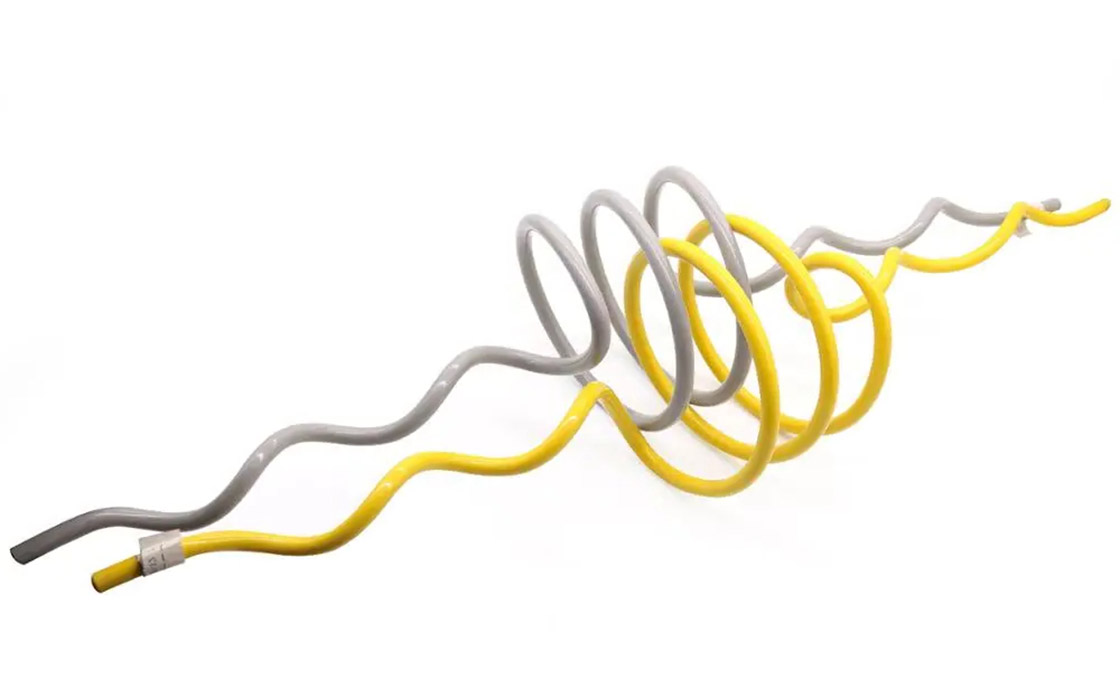
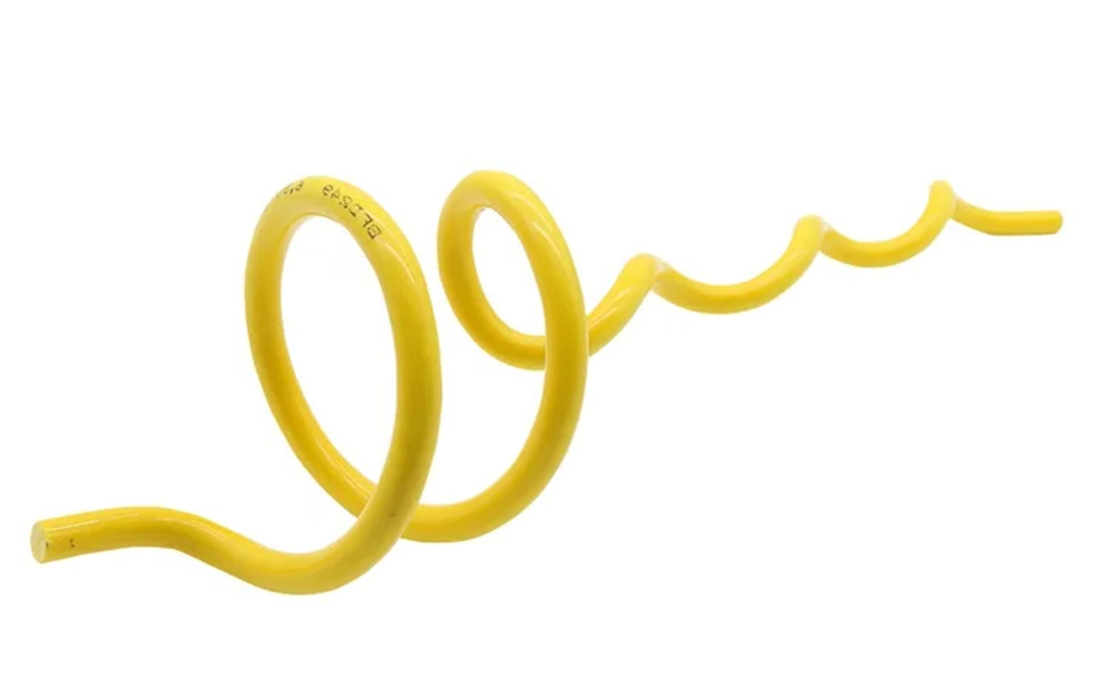
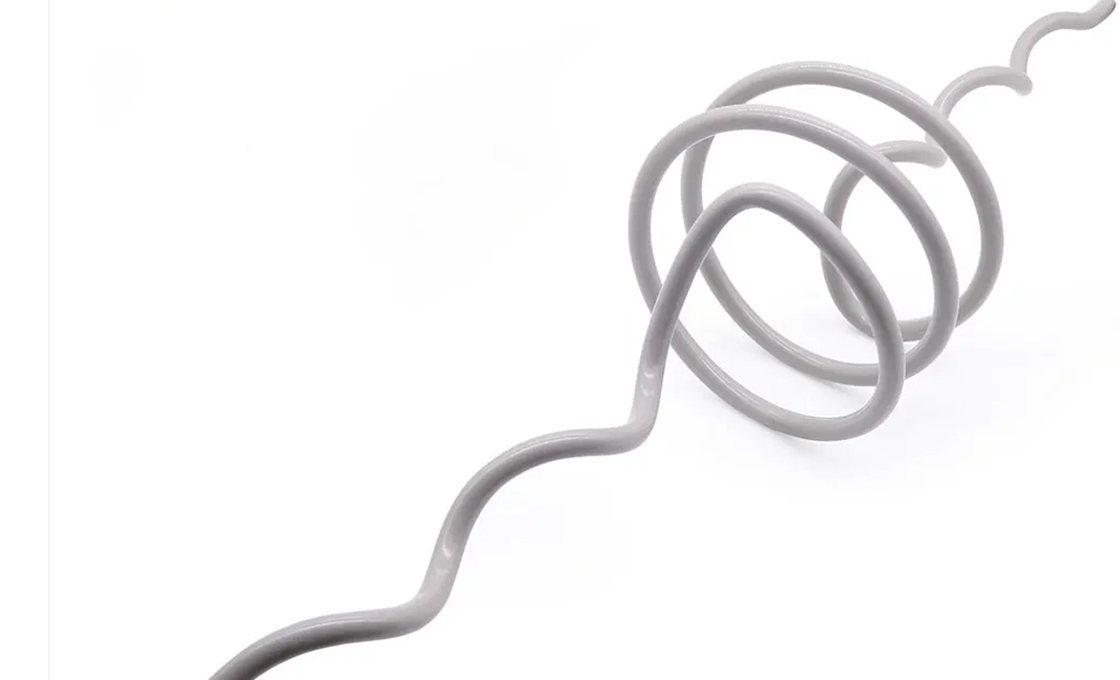
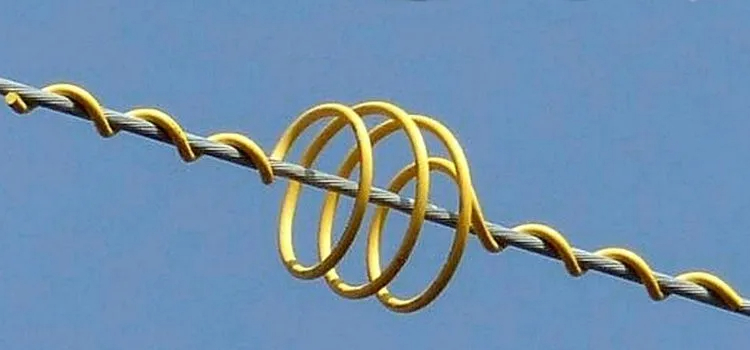
Bird Flight Diverter
- High-visibility marker that makes the line visible to birds
- Reduces bird collision and outages on exposed spans
- Spiral or swinging-plate types for earthwire / conductor
- UV-stable, high-contrast colours; some glow-in-the-dark
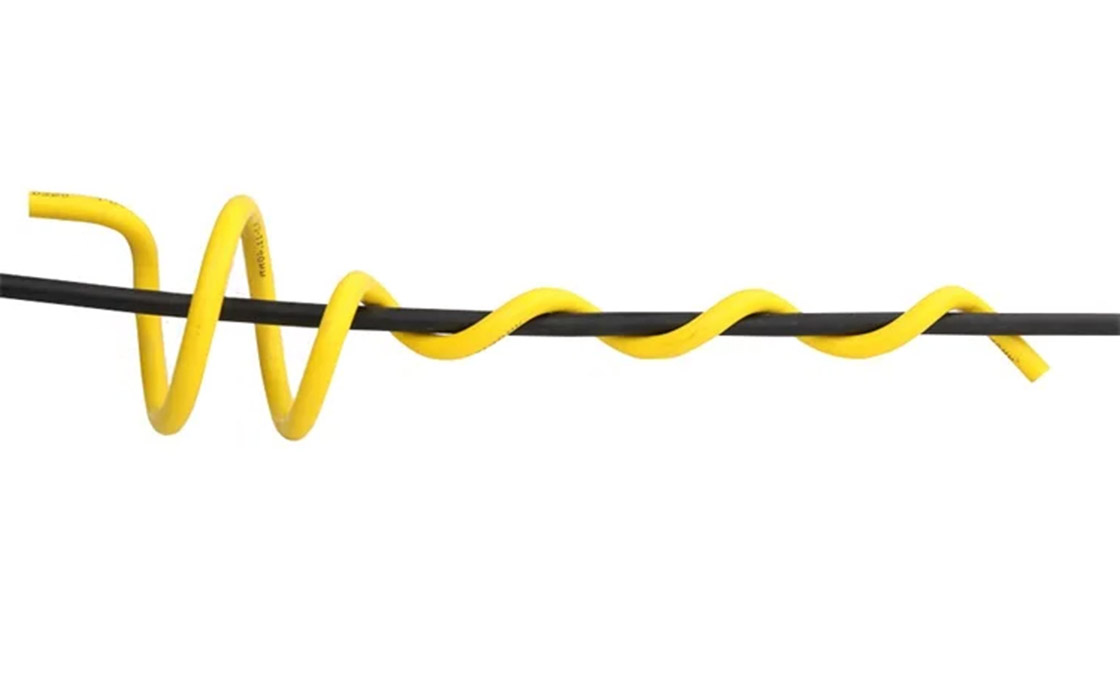
- Clips or wraps onto the wire, tool-free
- For wetlands, flyways, crossings and protected areas
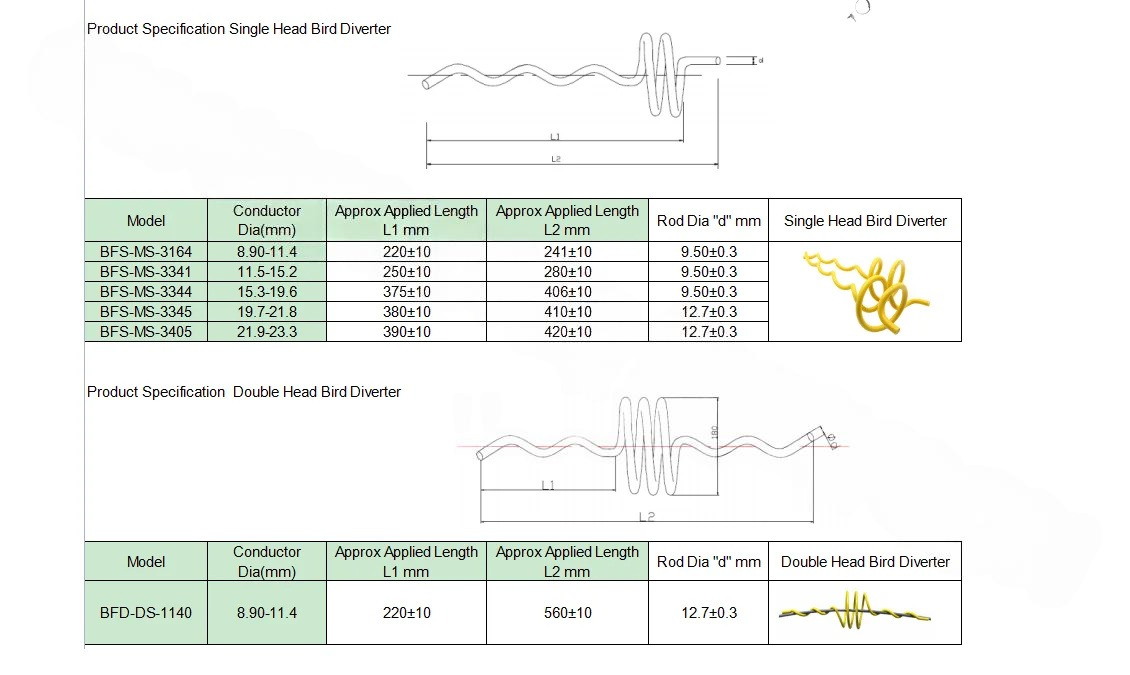
Technical Specifications
| Catalog | Wire Ø (mm) | Type | Visibility | Material | Surface |
|---|---|---|---|---|---|
| RAX-BFD-S | 8–18 | Spiral | Day-glow | PVC | UV-stable |
| RAX-BFD-P | 10–25 | Swing plate | Day + night | Polycarbonate | UV-stable |
| RAX-BFD-L | 10–25 | Swing plate | Photoluminescent | Polycarbonate | Glow |
| Custom | Other wire sizes / colours / photoluminescent — send your span & flyway detail | ||||
Application & Installation
Where it is used
The bird flight diverter is a high-visibility marker fitted to the overhead earthwire or conductor to make the line visible to birds in flight. By breaking up the thin, hard-to-see wire with bright moving or spiral markers it reduces bird collisions — protecting wildlife and cutting the outages and pollution flashovers that bird strikes cause.
Installation sequence
- Select the diverter type for the wire and visibility need.
- Set the spacing for the flyway / span (typically 5–20 m).
- Clip or wrap each diverter onto the wire.
- Confirm swing plates move freely / spirals seat firmly.
- Repeat along the marked span.
Buyer’s Guide: Bird Flight Diverter
1. What a Bird Flight Diverter Does
A bird flight diverter marks the overhead wire so birds see and avoid it. The thin earthwire is the hardest line element for birds to detect; bright, often moving markers make it conspicuous, cutting collisions on spans that cross flight paths.
2. Spiral vs Swinging-Plate
Spiral diverters wrap the wire and add a visible, vibration-damping profile; swinging-plate diverters hang reflective / luminous plates that move in the wind for extra attention. Plates are more visible; spirals also help with vibration.
3. Day and Night Visibility
High-contrast day-glow colours work by day; photoluminescent (glow-in-the-dark) versions stay visible at dusk and night for nocturnal and low-light flyers. Choose by the birds and light conditions on the route.
4. Spacing Along the Span
Effectiveness depends on spacing — typically a diverter every 5–20 m, closer in dense flyways and wetlands. Follow the environmental permit or wildlife authority guidance for the route.
5. UV-Stable Materials
UV-stabilised PVC and polycarbonate keep their colour and strength through years of sun; the clips are designed not to chafe the wire while holding firmly.
6. Where It Fits
On line sections crossing wetlands, rivers, flyways and protected areas, usually on the earthwire (the highest, thinnest, most-struck element). Order the spacing to your environmental study.