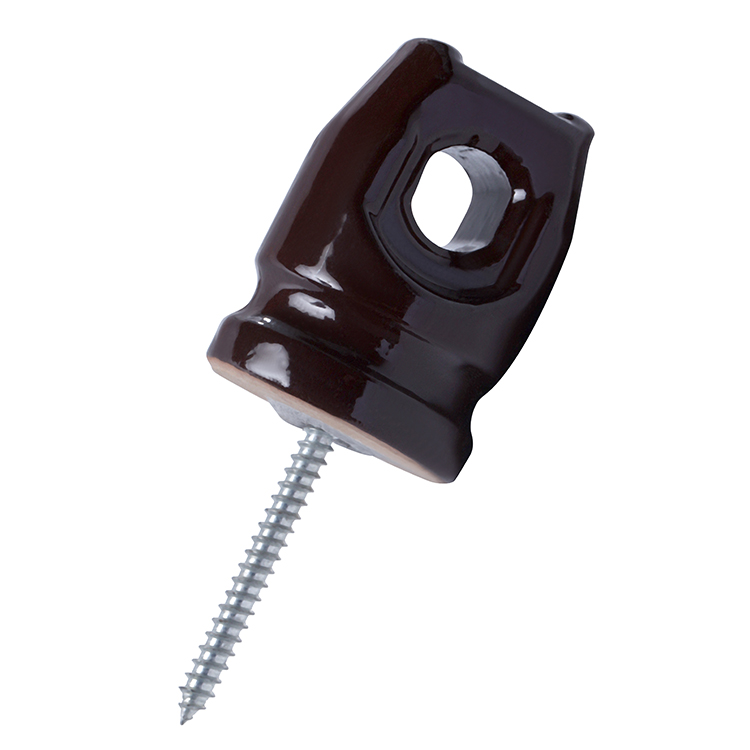
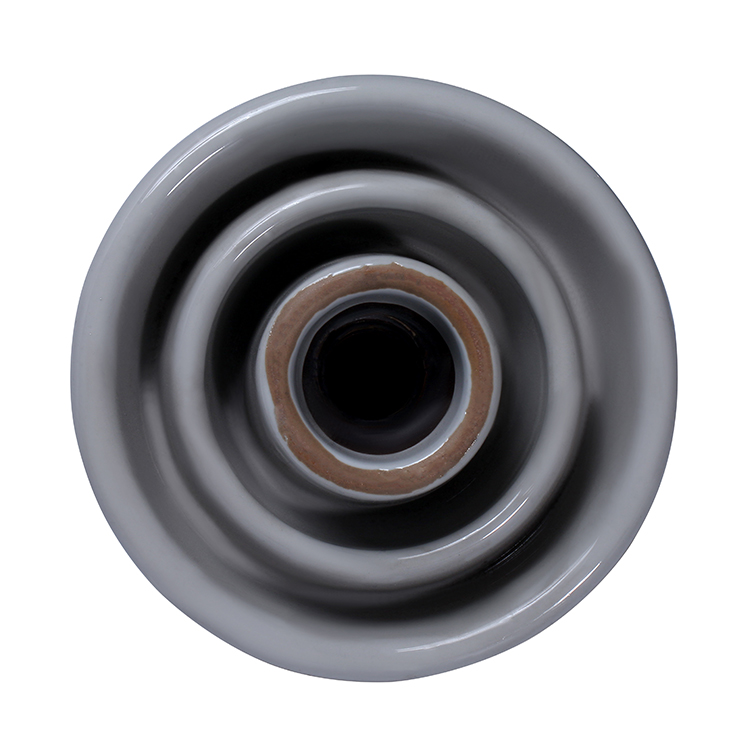
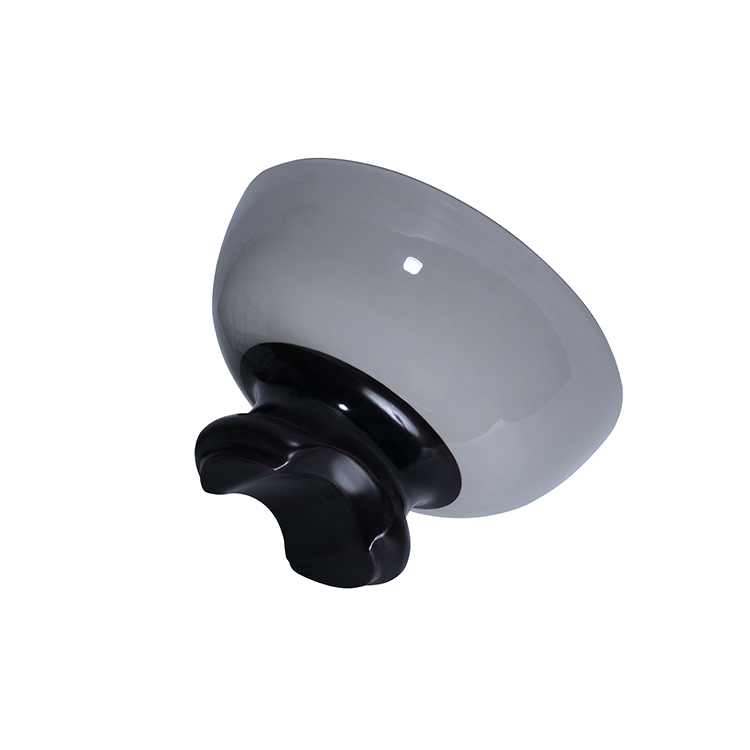
Pin Insulator
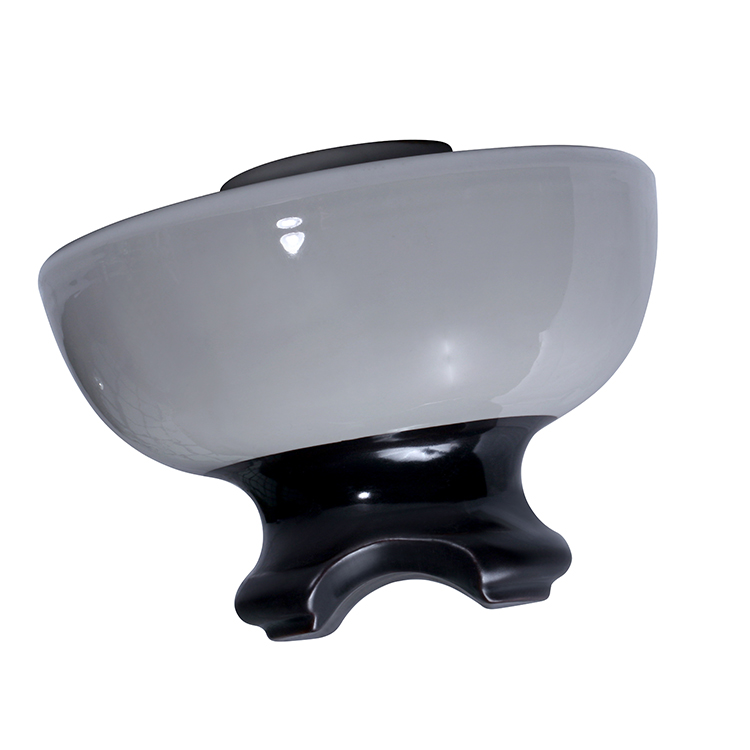
- Wet-process porcelain pin-type insulator for distribution lines
- Threads onto a 1 in ANSI crossarm or pole-top pin
- ANSI C29.6 classes for 11 / 22 / 33 kV systems
- Glazed porcelain shed profile for wet / polluted service
- Top and side conductor grooves with tie or preformed tie
- Brown or grey glaze, radio-influence tested
Technical Specifications
| Catalog | ANSI Class | System kV | Creepage (mm) | Cantilever (kN) | Glaze |
|---|---|---|---|---|---|
| RAX-PIN-11 | 55-4 | 11 | 180 | 11 | Brown |
| RAX-PIN-22 | 55-5 | 22 | 280 | 11 | Brown |
| RAX-PIN-33 | 56-1 | 33 | 430 | 12.5 | Brown |
| RAX-PIN-33G | 56-2 | 33 | 533 | 12.5 | Grey |
| Custom | Other sizes / configurations — send your conductor & structure spec | ||||
Application & Installation
Where it is used
The pin-type insulator supports and insulates the conductor on distribution lines, threaded onto a 1 in ANSI pin on a crossarm or pole top. Its glazed porcelain sheds rain and contamination to hold the leakage path, while the top and side grooves take the conductor with a tie or preformed tie.
Installation sequence
- Select the class for the system voltage and pollution level.
- Thread the insulator onto the 1 in crossarm / pole-top pin.
- Seat the conductor in the top groove (tangent) or side groove (angle).
- Apply the preformed tie or hand tie to hold the conductor.
- Confirm the conductor seats without strain on the porcelain.
Buyer’s Guide: Pin Insulator
1. What a Pin Insulator Is
A pin insulator is a one-piece porcelain insulator that screws onto a pin to carry a distribution conductor. The conductor rests in a groove at the top or side and is tied in place — the simplest and most common insulator on lower-voltage overhead lines.
2. Voltage & ANSI Class
Pin insulators follow ANSI C29.6, with classes sized to system voltage: roughly 11 kV up to 33–36 kV. Above that, post or suspension insulators take over because a single pin shed stack becomes impractical.
3. Creepage for Pollution
The shed profile sets the leakage (creepage) distance — longer for polluted, coastal or industrial air. Pick a higher-creepage class (or grey anti-fog glaze) where contamination flashover is a risk.
4. Top Tie vs Side Tie
At tangents the conductor sits in the top groove with a top tie; at angles it sits in the side groove with a side tie so the line pull is taken correctly. Use our preformed insulator ties for a consistent, conductor-safe tie.
5. Mechanical Strength
Cantilever strength (~11–12.5 kN) must exceed the conductor load and tie force. The pin, not the porcelain, is usually the cantilever-limiting part — match the pin class to the insulator.
6. Pairing
Threads onto a 1 in crossarm pin, angle pin or pole-top pin. Order with the matching pin and preformed tie for the conductor size.