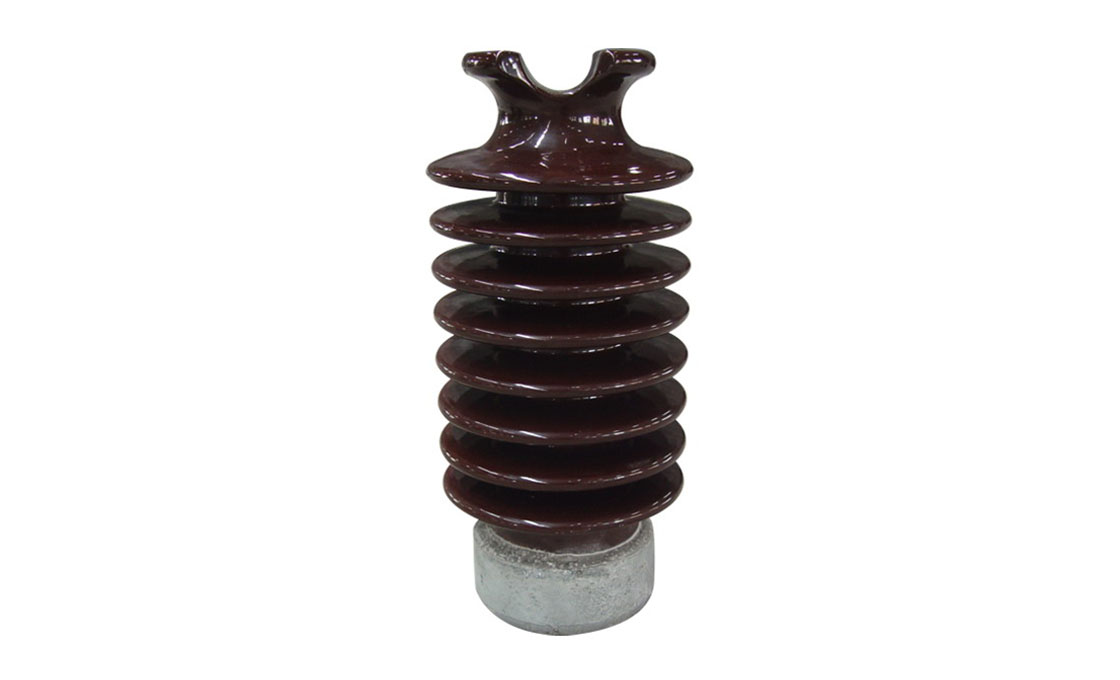
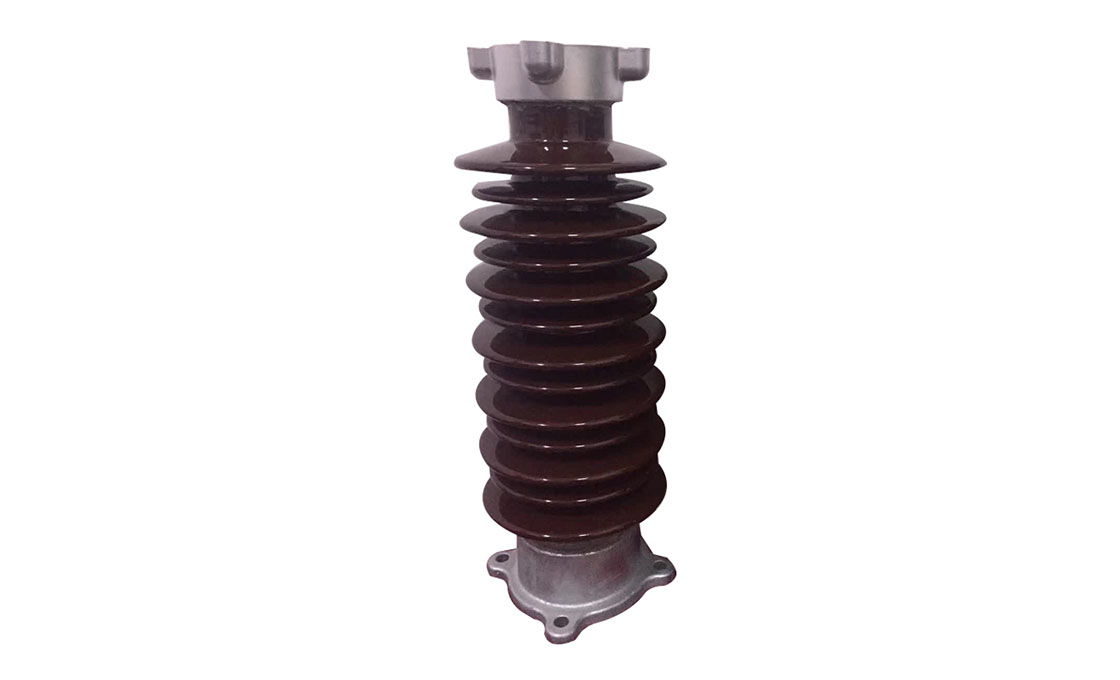
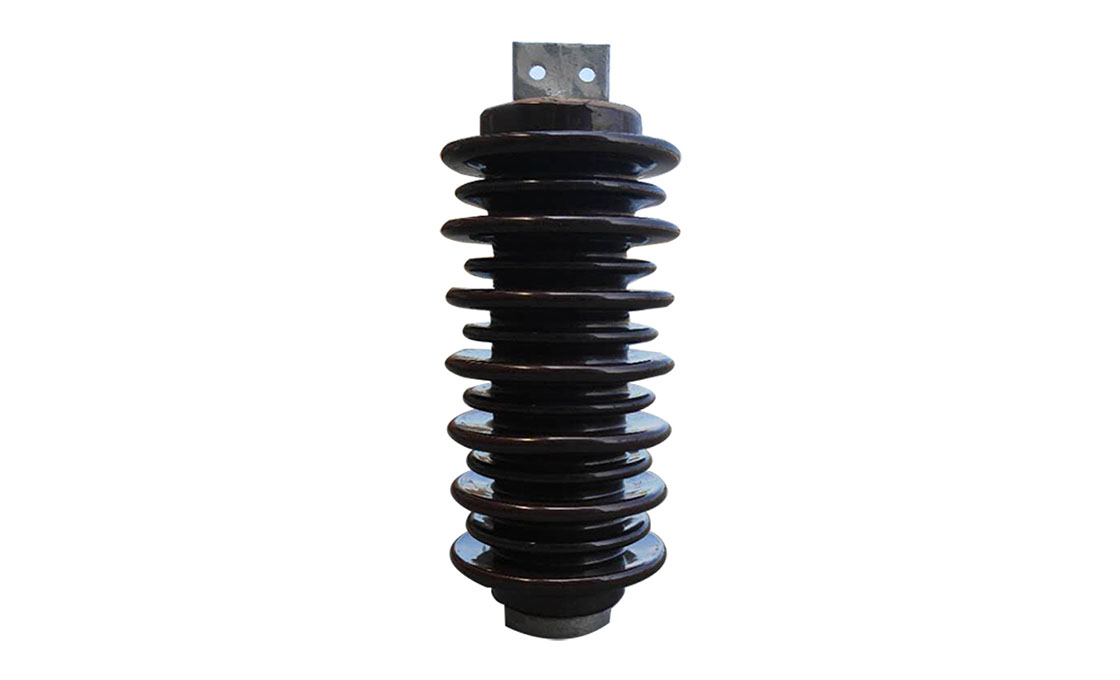
Post Insulator
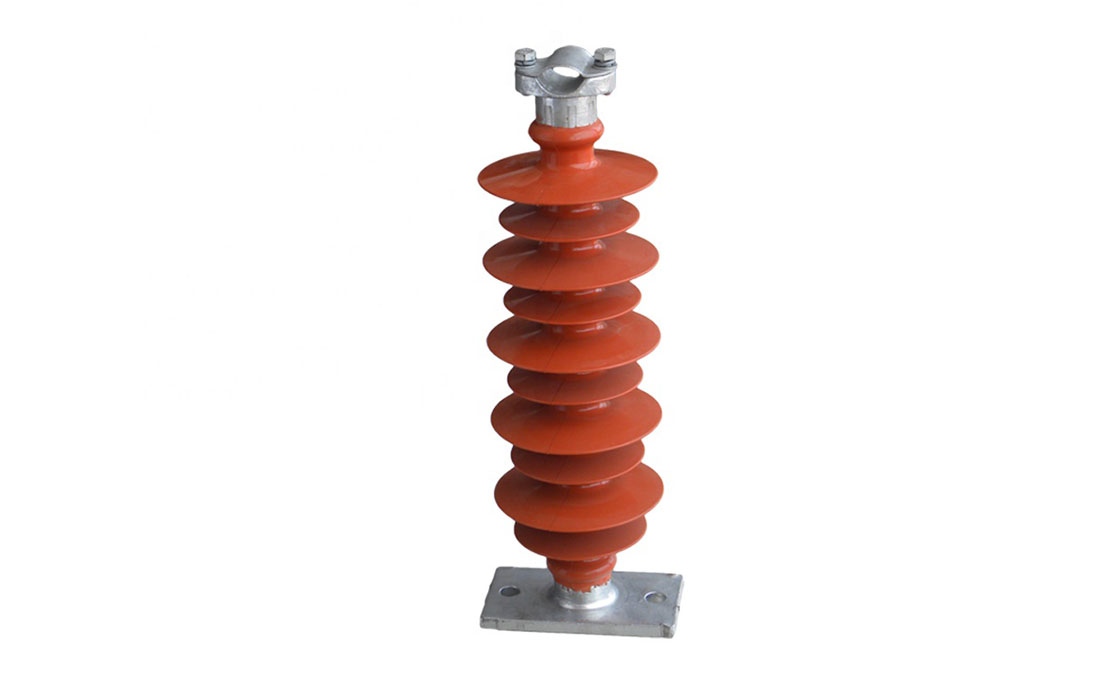
- Solid-core porcelain line-post insulator for distribution & sub-transmission
- Rigid cantilever support — conductor clamped, not tied
- ANSI C29.7 classes 57-1 to 57-5
- Vertical, horizontal and angle mounting on stud or bracket
- Higher cantilever than pin insulators of the same voltage
- Brown / grey glaze, radio-influence tested
Technical Specifications
| Catalog | ANSI Class | System kV | Height (mm) | Creepage (mm) | Cantilever (kN) |
|---|---|---|---|---|---|
| RAX-LP-57-1 | 57-1 | 15 | 203 | 356 | 12.5 |
| RAX-LP-57-2 | 57-2 | 23 | 254 | 445 | 12.5 |
| RAX-LP-57-3 | 57-3 | 35 | 305 | 559 | 12.5 |
| RAX-LP-57-4 | 57-4 | 46 | 381 | 711 | 12.5 |
| RAX-LP-57-5 | 57-5 | 69 | 559 | 1145 | 12.5 |
| Custom | Other sizes / configurations — send your conductor & structure spec | ||||
Application & Installation
Where it is used
The line-post insulator is a solid-core porcelain insulator that supports the conductor as a rigid cantilever on distribution and sub-transmission lines. The conductor is clamped to a top groove or stud rather than tied, giving a stiffer, more compact support than a pin insulator — mounted vertical, horizontal or at an angle.
Installation sequence
- Select the ANSI class for the system voltage and cantilever load.
- Mount the insulator on its stud or bracket (vertical / horizontal / angle).
- Clamp the conductor into the top groove or onto the top stud.
- Confirm the post stands true under the conductor load.
- Torque the clamp to the insulator maker spec.
Buyer’s Guide: Post Insulator
1. What a Line-Post Insulator Is
A line-post insulator is a solid porcelain column that holds the conductor rigidly off the structure. Unlike a pin insulator the conductor is clamped, not tied, so the support is stiffer and the geometry more controlled — the modern choice for distribution and sub-transmission framing.
2. ANSI Class 57-1 to 57-5
ANSI C29.7 classes run 57-1 (15 kV) to 57-5 (69 kV), with height and creepage rising with voltage. Pick the class for the system voltage; the creepage (356–1145 mm) also covers the pollution level.
3. Cantilever Strength
Line posts are rated by cantilever strength (~12.5 kN and up). Because the conductor is clamped at the top of a column, the cantilever load governs — size the class and mounting so the post is not overstressed at angles.
4. Vertical / Horizontal / Angle Mount
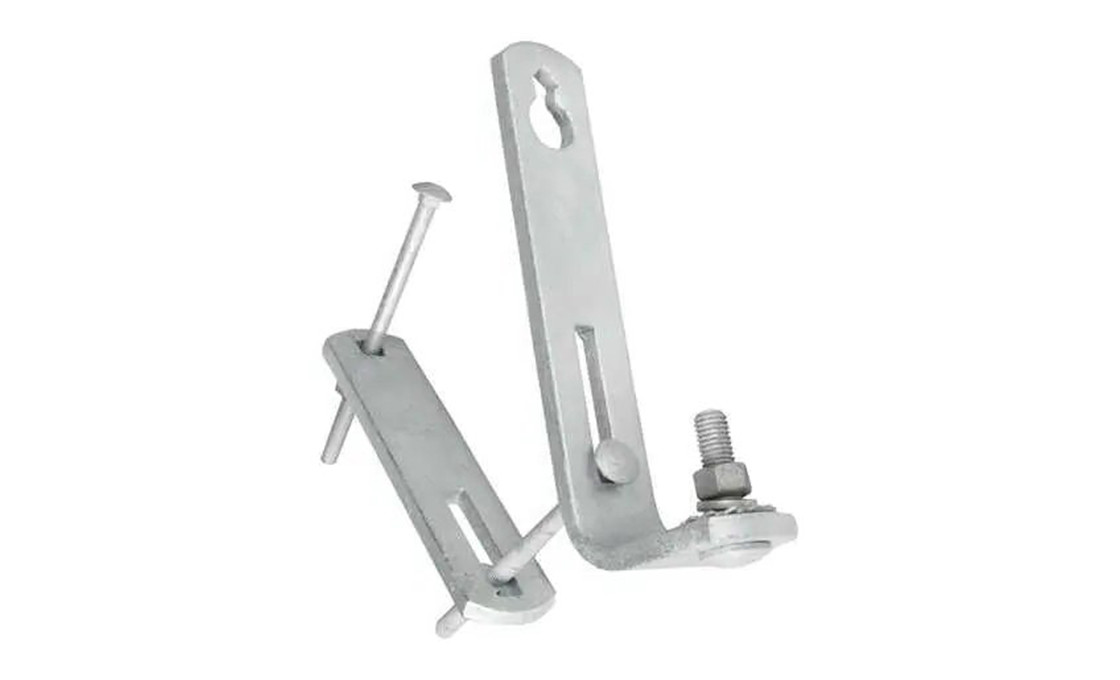
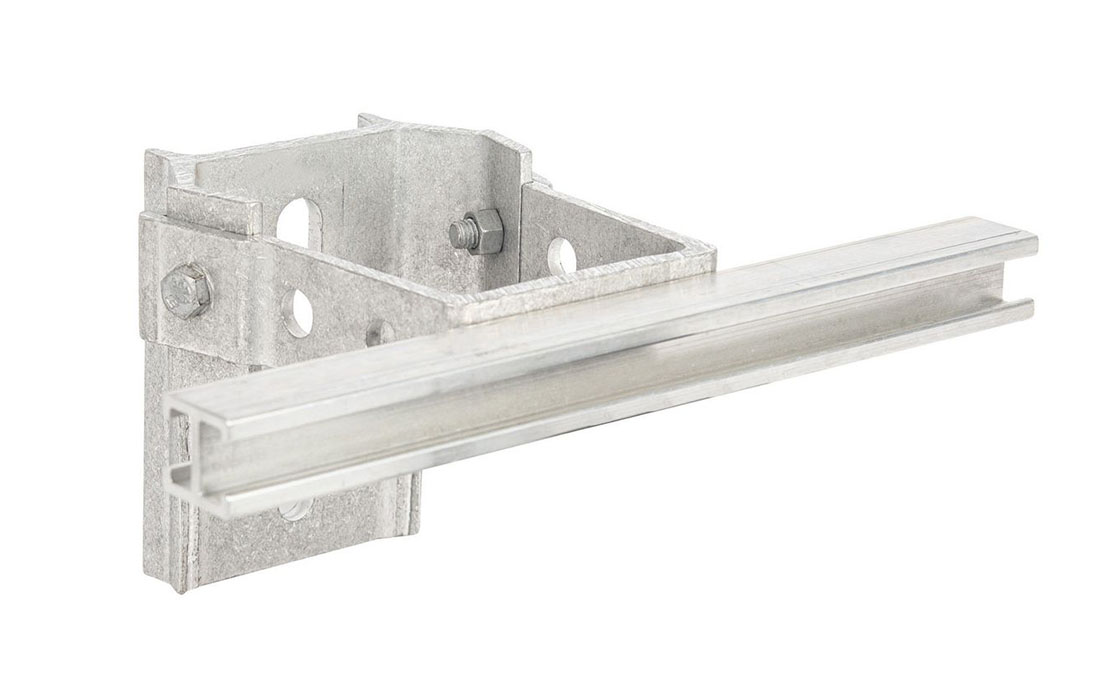
Mounted upright on a crossarm or pole top, horizontally on a side bracket, or angled at corners. The post insulator bracket and stud set the orientation — order them together.
5. Post vs Pin
A post insulator gives more cantilever strength and a stiffer, more compact mount than a pin of the same voltage, and the clamped conductor avoids tie-wire issues. Pins remain cheaper for the lowest voltages.
6. Pairing
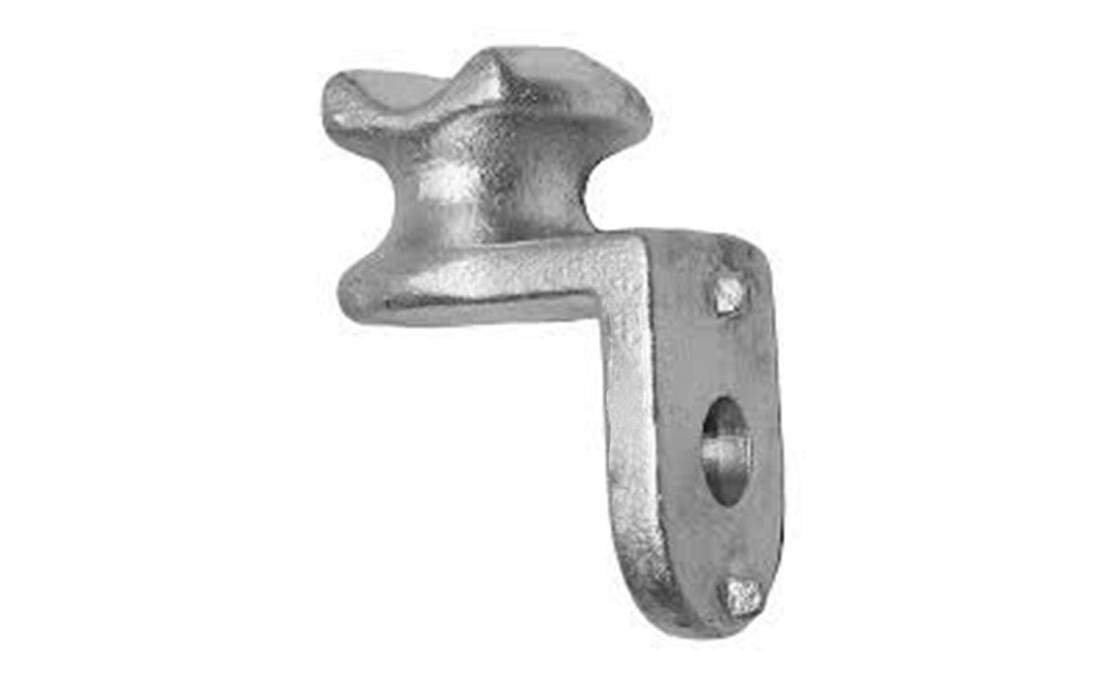
Mounts on a line-post stud or post insulator bracket with a top clamp. Order the matching stud / bracket and top clamp for the conductor.