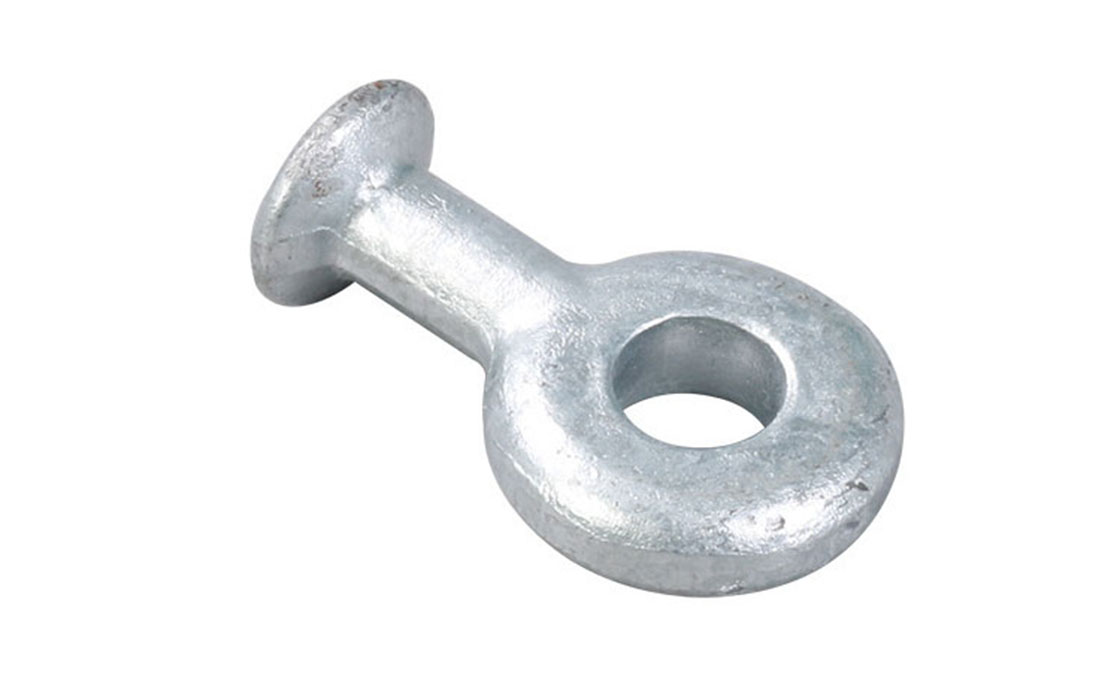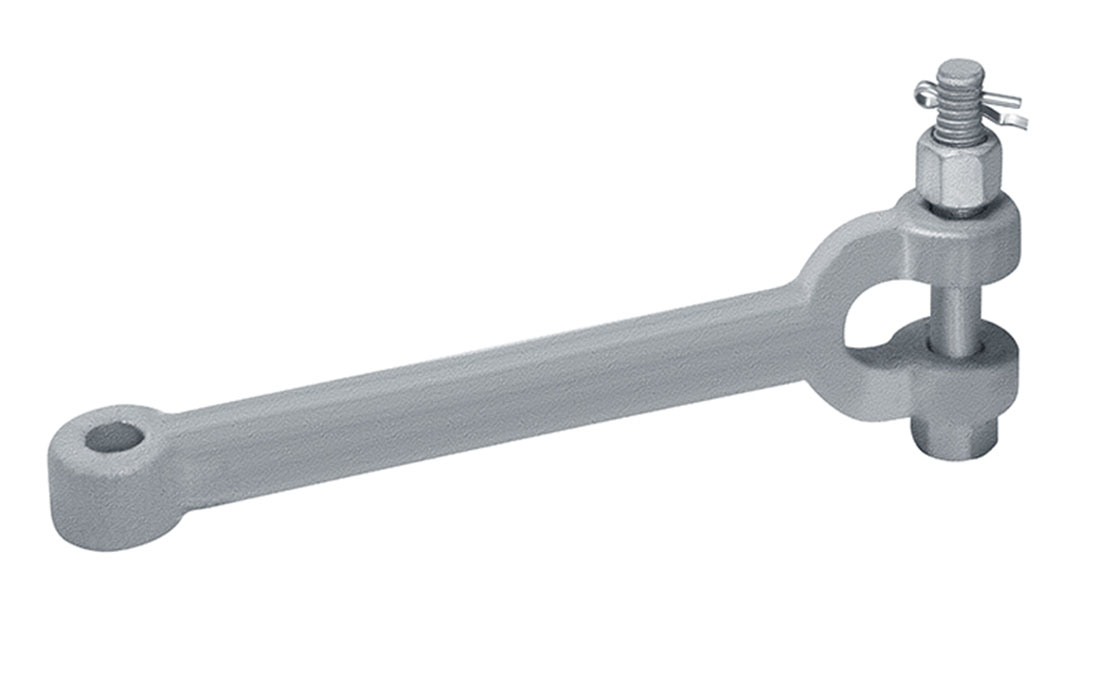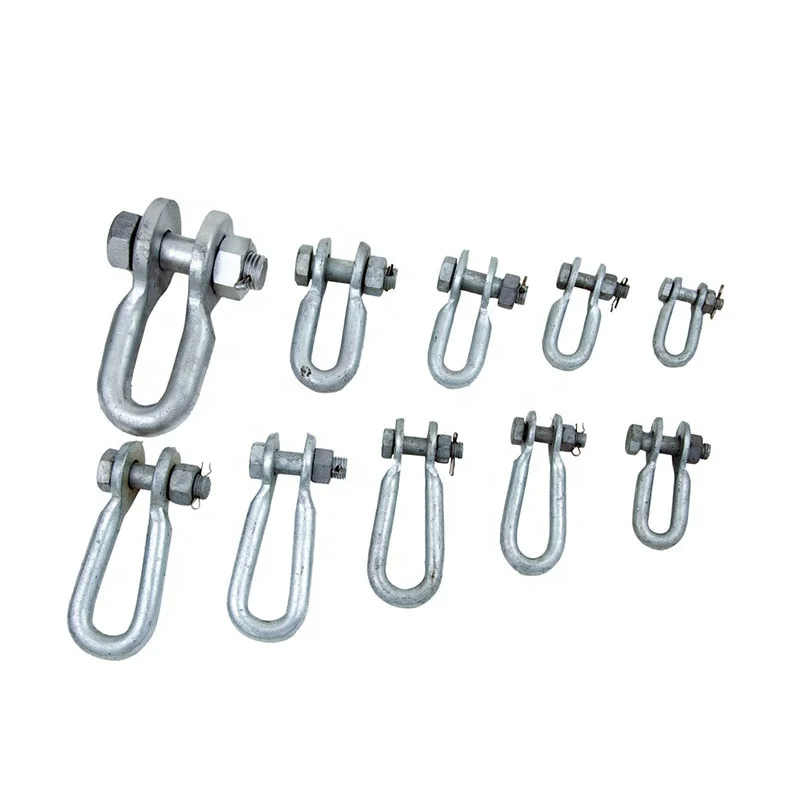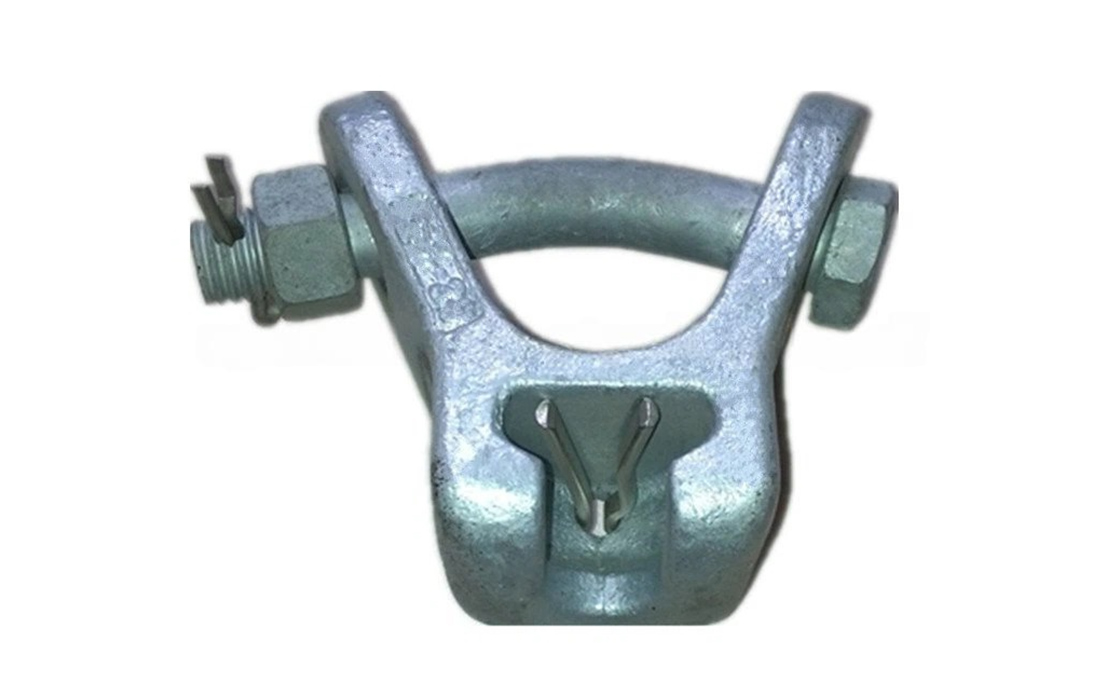
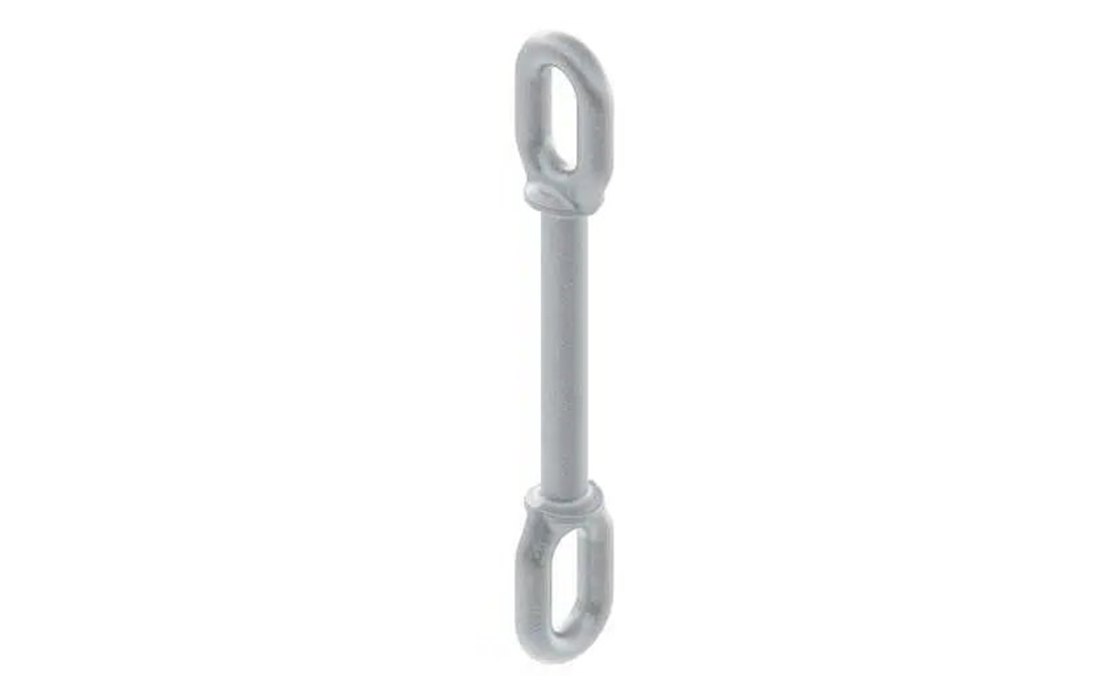
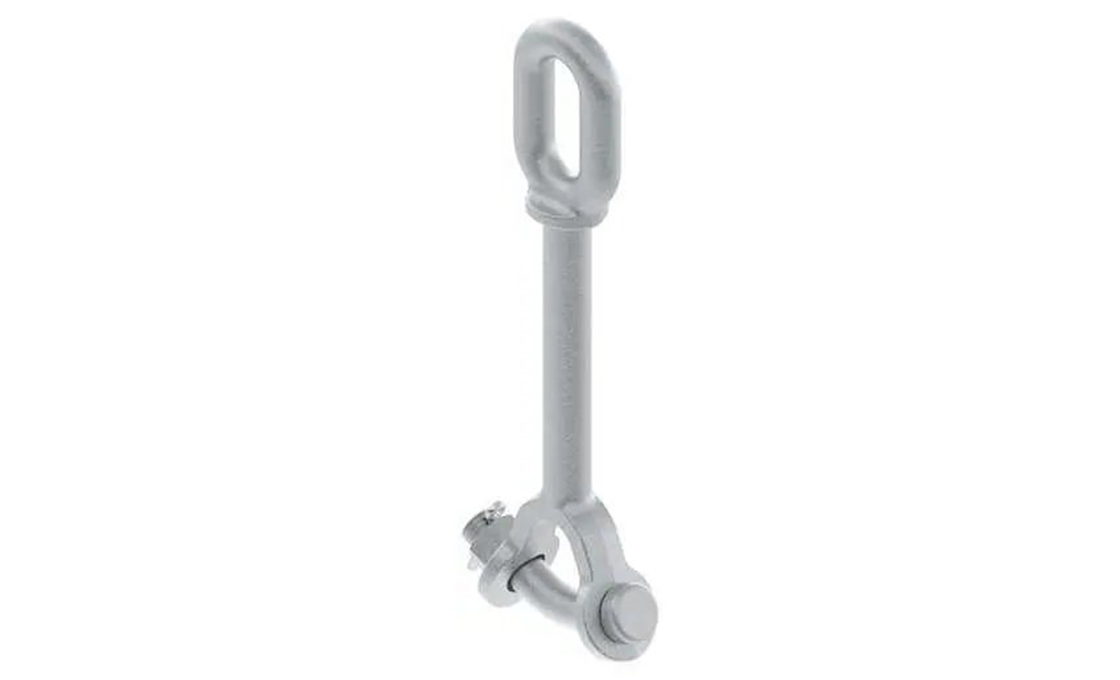
Hot Line Link
- Oval-eye-and-clevis link for live-line (hot-line) connection and disconnection
- Lets crews open the string under load with hot-line tools, no de-energizing
- Rated failing load 70–160 kN; galvanized forged steel body
- Stainless cotter pin, oval eye sized for standard shackle / clamp eyes
- Hot-dip galvanized to ISO 1461 for EHV outdoor service
- Used on ultra-high-voltage transmission insulator strings
Technical Specifications
| Catalog | Failing Load (kN) | Eye Ø (mm) | Clevis Pin (mm) | Length (mm) | Weight (kg) | Surface |
|---|---|---|---|---|---|---|
| PD-7 | 70 | 17 | 16 | 120 | 0.9 | HDG |
| PD-10 | 100 | 17 | 16 | 130 | 1.1 | HDG |
| PD-12 | 120 | 21 | 18 | 140 | 1.4 | HDG |
| PD-16 | 160 | 21 | 20 | 150 | 1.8 | HDG |
| Custom | Higher loads / longer reach for EHV — specify line voltage and tool interface | |||||
Application & Installation
Where it is used
The hot line link is an oval-eye-and-clevis connector placed in a transmission insulator string so that maintenance crews can open and close the connection live, using hot-line tools, without de-energizing the line. It is common on ultra-high-voltage lines where outages are costly and live-line work is routine.
Installation sequence
- Position the hot line link at the string's designed break point.
- Pin the clevis end to the adjacent fitting; fit the stainless cotter.
- Engage the oval eye with the mating shackle / clamp eye.
- Confirm the link operates freely with the hot-line tool interface.
- Verify locking before returning the string to service.
Buyer’s Guide: Hot Line Link
1. What a Hot Line Link Does
A hot line link is a connector — oval eye on one end, clevis on the other — designed so a lineman can make or break that joint while the line is energized, using insulated hot-line tools. It builds a planned, tool-operable break point into the insulator string.
2. Why Live-Line Capability Matters
On EHV transmission, de-energizing for routine work means lost transmission and switching risk. A hot line link lets crews open the string under load, do the work, and re-close — keeping the circuit live and the outage off the books.
3. Sizing by Load and Voltage
The PD series runs 70–160 kN for distribution and sub-transmission, with higher-load and longer-reach versions for EHV. Match the failing load to the string rating and the reach to the tool clearance the crew needs.
4. The Oval Eye and Clevis Interface
The oval eye accepts a standard shackle or clamp eye; the clevis pins to the next fitting. Both are dimensioned so a hot-line tool can grip and operate the link cleanly under tension.
5. Forged Steel & Galvanizing
The body is forged steel for the impact strength a live-operated joint needs, hot-dip galvanized to ISO 1461 for long EHV outdoor life. The cotter is stainless so the link stays operable for years.
6. Where It Sits in the String
Place it at the planned maintenance break — typically near the dead-end or at the conductor-side end of the string — so crews have a defined, tool-ready point to open the circuit.