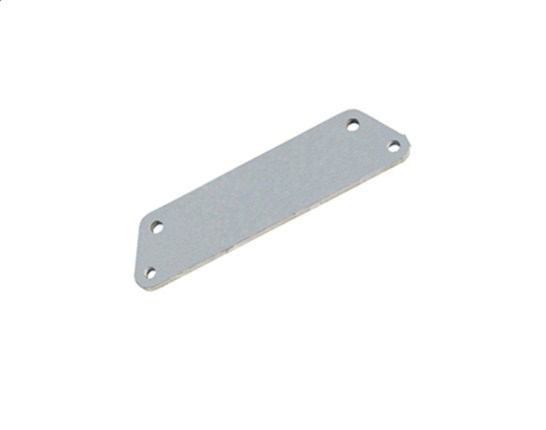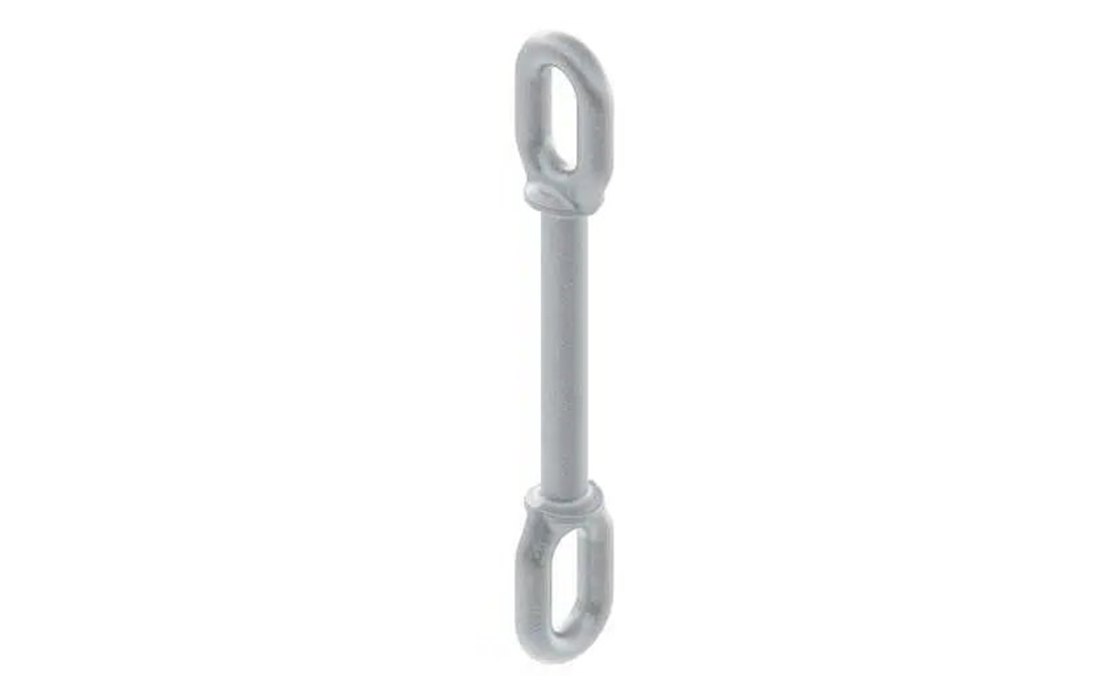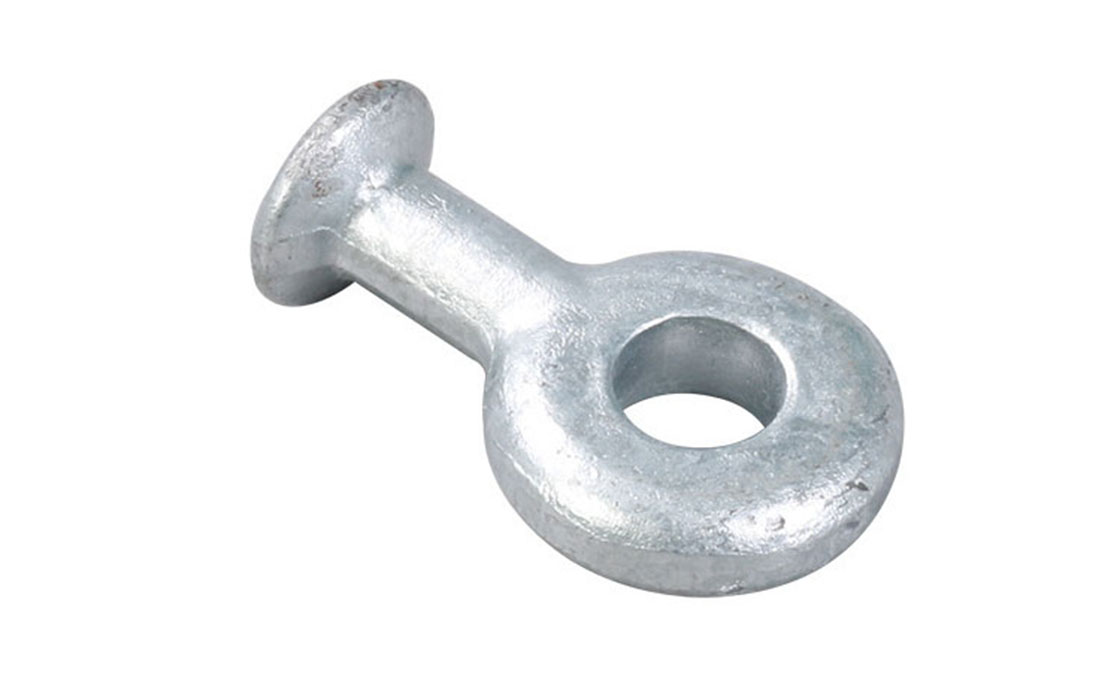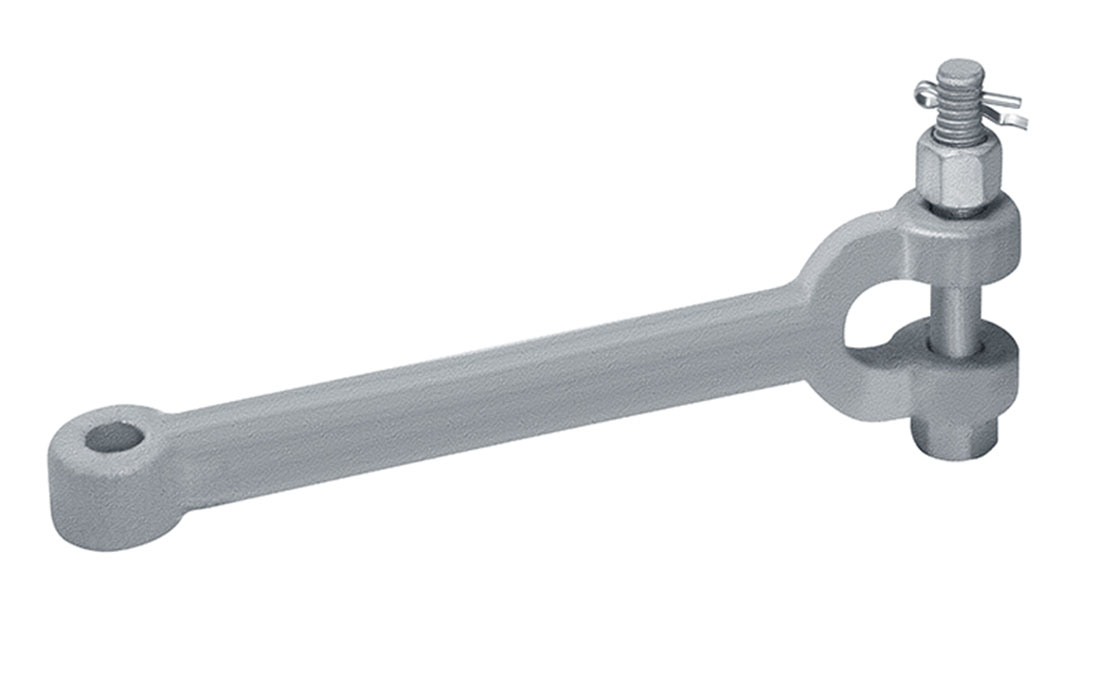
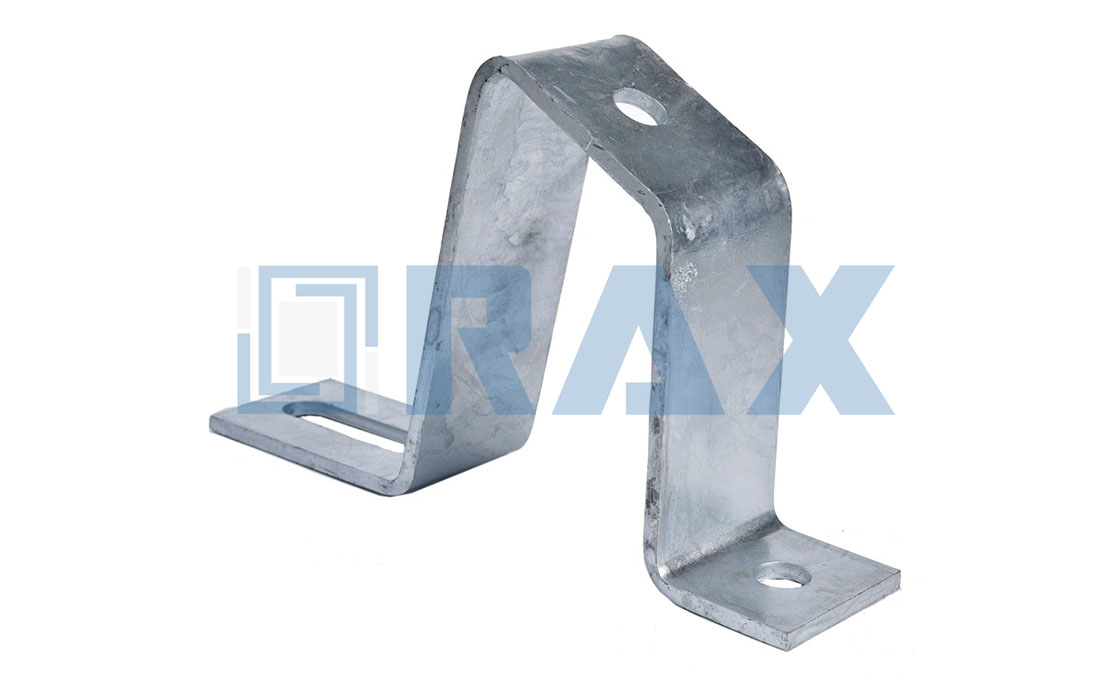
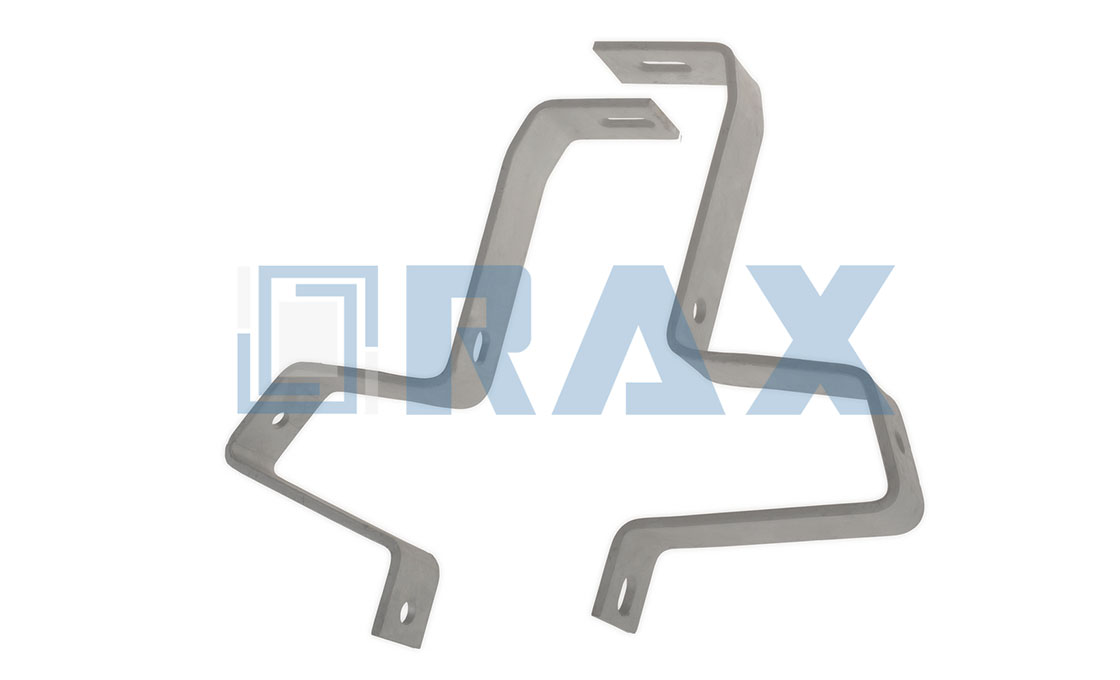
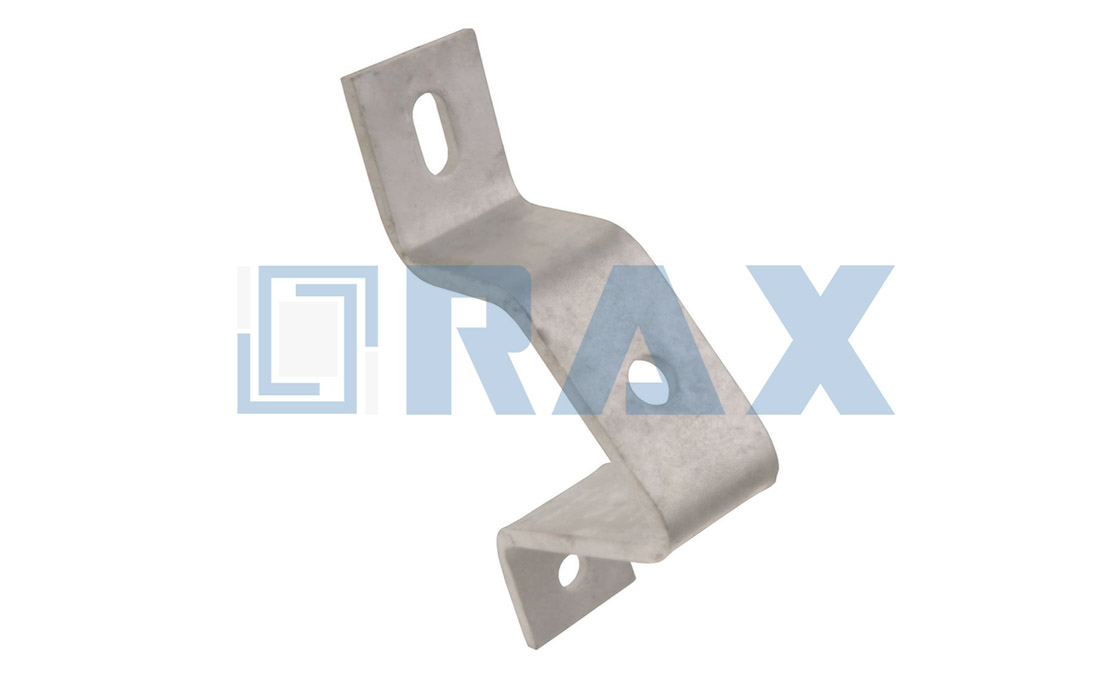
Post Insulator Bracket
- Mounts a line-post or post-type insulator to a pole or steel crossarm
- Vertical, horizontal and 30° / 60° angle versions for corners
- Side-mount flat-base options with 4 in and 8-3/4 in pole offsets
- Accepts 3/4 in line-post stud; bolts to pole with 5/8 in through bolts
- Steel / ductile iron, hot-dip galvanized to ASTM A-153
- Hubbell 1XAB angle-bracket and side-mount class equivalents
Technical Specifications
| Catalog | Type | Offset / Angle | Stud | US Equivalent | Body | Surface |
|---|---|---|---|---|---|---|
| RAX-PIB-V | Vertical | 21 in upright | 3/4 in | Hubbell VLP-21 | Steel | HDG |
| RAX-PIB-A30 | Crossarm angle | 30° corner | 3/4 in | Hubbell 1XAB | Ductile iron | HDG |
| RAX-PIB-S4 | Side-mount flat base | 4 in offset | 3/4 in | Hubbell C2060162 | Ductile iron | HDG |
| RAX-PIB-S8 | Side-mount flat base | 8-3/4 in offset | 3/4 in | Hubbell C2060209 | Ductile iron | HDG |
| Custom | Other offsets / angles — send your insulator and structure detail | |||||
Application & Installation
Where it is used
The post insulator bracket carries a line-post or post-type insulator on a pole or steel crossarm, setting the conductor out from the structure at the needed offset or angle. Vertical brackets stand the insulator upright; angle brackets (30° / 60°) carry it at corners; side-mount flat-base brackets offset it 4–8 in from the pole face.
Installation sequence
- Select the bracket type (vertical / angle / side-mount) for the structure.
- Bolt the bracket to the pole or arm with 5/8 in through bolts.
- Fit the 3/4 in line-post stud into the bracket.
- Bolt the post insulator base onto the stud.
- Torque to the insulator maker's specification.
Buyer’s Guide: Post Insulator Bracket
1. What a Post Insulator Bracket Does
A post insulator bracket is the steel mount between a line-post insulator and the structure. The insulator carries the conductor as a rigid cantilever; the bracket fixes that insulator to the pole or crossarm at the orientation — vertical, horizontal or angled — the line geometry needs.
2. Vertical vs Angle vs Side-Mount
Vertical brackets stand the insulator upright on a crossarm or pole top. Angle brackets (typically 30° or 60°) carry the insulator at running corners so the conductor bisects the angle. Side-mount flat-base brackets bolt to the pole face and offset the insulator 4–8 in. Pick by where the conductor must sit.
3. Pole Offset Selection
Side-mount offset (4 in vs 8-3/4 in) sets how far the conductor stands off the pole — larger offsets give more clearance for the swing and the climbing space. Choose the offset from the conductor swing and the pole class.
4. Stud & Bolt Interface
Brackets accept a 3/4 in line-post stud for the insulator and bolt to the structure with 5/8 in through bolts. Confirm the stud and bolt holes match your insulator base and pole hardware so everything lines up on site.
5. Steel vs Ductile Iron
Fabricated steel brackets suit straightforward vertical mounts; cast ductile iron (grade 65-45-12) gives the complex shapes of angle and side-mount brackets. Both are hot-dip galvanized to ASTM A-153 for long outdoor life.
6. Matching the Insulator
The bracket, stud and insulator must be ordered as a set so the stud size, base bolt circle and cantilever rating all agree. Send your post insulator type and we supply the matching bracket and stud.