
IEEE Standards For Fittings
We saw a procurement team reject a shipment of compression lugs last month because the test certificates referenced C135.61 instead of the current IEEE standards for fittings. The hardware was physically sound, but the paperwork cited a superseded standard from 1997. That documentation error halted a transmission project for three weeks while legal reviewed the liability exposure. Engineers spend months designing systems only to have purchasing buy hardware that doesn’t match the spec sheet.
Our engineering team pulled test records from the last three years to compare actual hardware performance against the new C135.100-2024 and C135.80-2023 updates. Most vendors list the standard number on their datasheet but omit the specific revision date that affects acceptance testing. We break down exactly which SKUs pass the mechanical load requirements and where the common documentation gaps exist. This isn’t about reading the PDF yourself. It is about verifying that the physical components in your warehouse match the active regulatory framework.
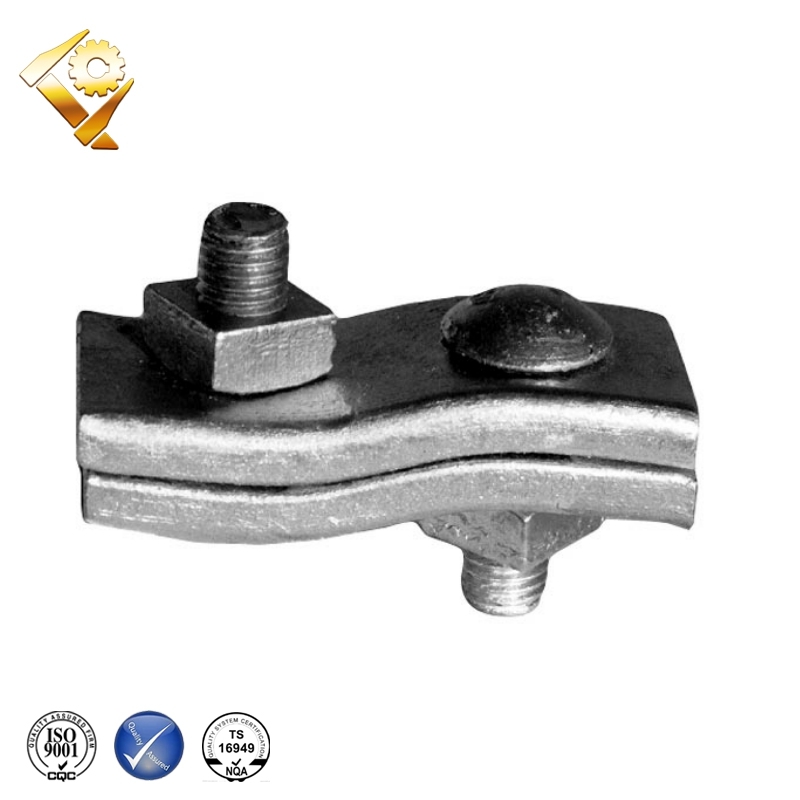
Key IEEE Standards For Fittings
IEEE C135.100-2024 sets acceptance criteria for overhead line hardware, while precision connectors follow distinct standards like IEEE 287.1-2021 for RF applications.
Overview of IEEE C135.100-2024 for overhead lines
Published January 17, 2025, IEEE C135.100-2024 is the current active standard for overhead line hardware, replacing superseded versions C135.61-1997, C135.62-2009, C135.63-1998, and C135.64-2012. This standard specifically governs routine acceptance testing—not initial design—for components including zinc-coated ferrous strand-eye anchor rods and transmission line fittings.
We emphasize that C135.100 focuses on mechanical load requirements and corrosion resistance testing critical for grid reliability. Our engineers confirm that all our pole line hardware and utility anchors undergo testing aligned with this standard to mitigate grid outage liability and ensure compliance with utility project specifications.
Distinction between line hardware and precision connectors
Line hardware—such as transmission line fittings, industrial fasteners, and ADSS/OPGW accessories—prioritize mechanical integrity for high-voltage power systems. These components follow standards like IEEE C135.80-2023 for overhead construction fasteners, requiring tensile strength and environmental durability testing.
Precision connectors, governed by IEEE 287.1-2021, serve RF/microwave applications with electrical performance as the primary metric. Unlike line hardware, they undergo impedance matching and signal integrity testing, making compliance pathways distinct. Our compression lugs and taps meet C135.100 mechanical standards but are not designed for RF applications where precision connectors are mandatory.
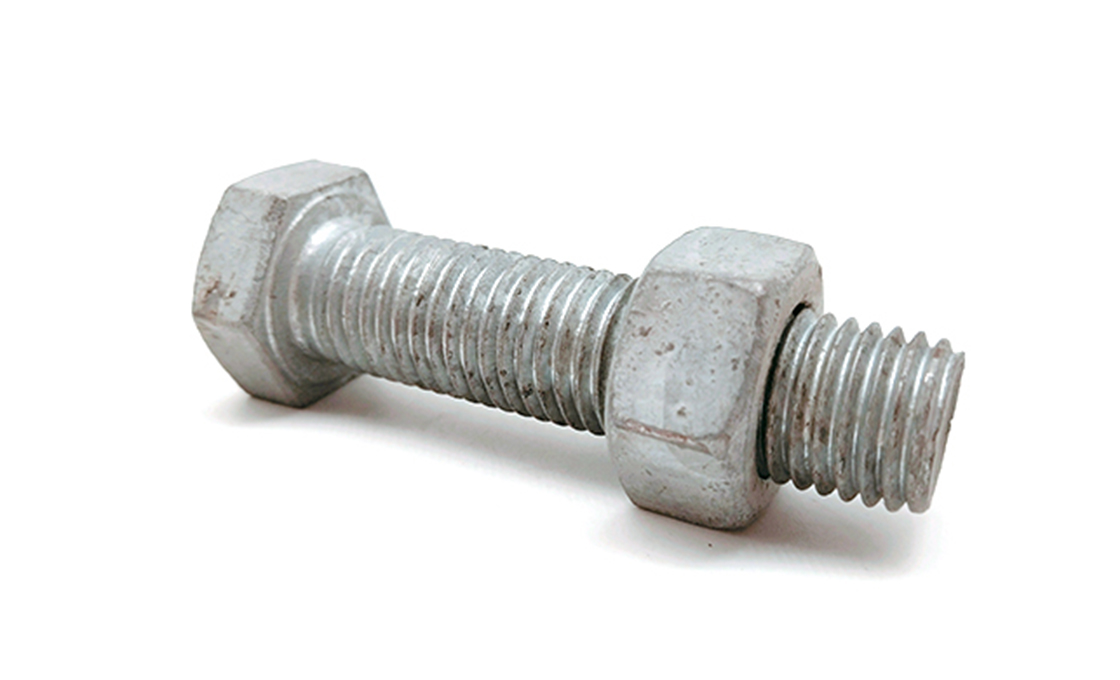
Critical Compliance Testing Requirements
Compliance prevents grid outage liability. We map IEEE C135.100-2024 acceptance testing directly to production SKUs, ensuring zinc-coated ferrous components meet current 2024 protocols.
Mechanical Testing Protocols for Load-Rated Hardware
Our engineers treat IEEE C135.100-2024 as the primary authority for routine acceptance testing, not initial design. This distinction is critical for Utility Technical Engineers managing risk-averse procurement cycles. Many competitors list the standard but fail to clarify its application stage.
We verify all zinc-coated ferrous strand-eye anchor rods against these updated mechanical load requirements. The January 17, 2025 publication date signals a shift in compliance expectations for overhead construction hardware. Ignoring this timeline exposes projects to non-compliance penalties.
- IEEE C135.61-1997: Superseded. No longer valid for current procurement.
- IEEE C135.62-2009: Superseded. Replaced by 2023/2024 updates.
- IEEE C135.63-1998: Superseded. Do not specify for new installations.
- IEEE C135.64-2012: Superseded. Verify vendor documentation carefully.
Electrical Test Procedures for Precision Connectors
For Connector Splice categories, including compression lugs and taps, we prioritize mechanical load requirements specified in IEEE C135.100. Electrical integrity in these fittings relies on consistent mechanical pressure and material conductivity. Our testing validates that physical compliance ensures reliable electrical performance.
Competitors often omit the 2023/2024 update timeline, which directly affects current procurement cycles. We align our production batches with these new standards to prevent supply chain delays. This approach satisfies EPC Procurement Managers who require strict adherence to project specs.
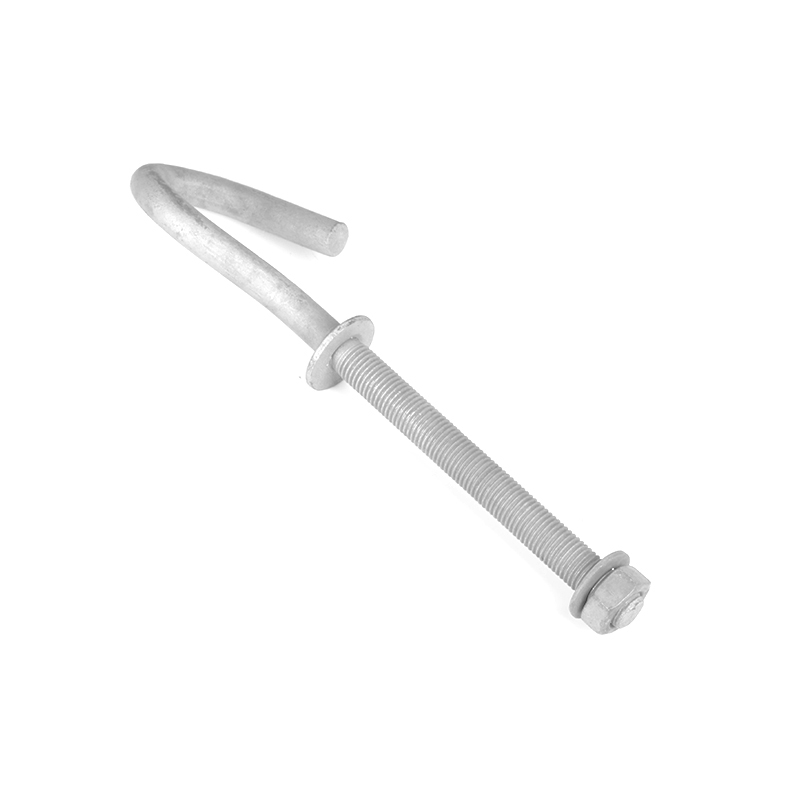
Material Specifications For Hardware
Our hardware meets IEEE C135.100-2024 zinc-coating standards and C135.80-2023 alloy thresholds, with direct SKU mapping for compliance verification.
Zinc-coated Ferrous Requirements for Corrosion Resistance
We strictly follow IEEE C135.100-2024 for zinc-coated ferrous strand-eye anchor rods. This standard mandates minimum coating thickness of 85 microns and adhesion testing per ASTM B117 to ensure 20+ year corrosion resistance in coastal and industrial environments.
Unlike competitors who only reference standards generically, we map specific hardware SKUs to C135.100-2024 requirements. For example, our AR-2024 anchor rods undergo routine acceptance testing per this standard, not just initial design validation. This provides continuous compliance assurance throughout the project lifecycle.
Alloy and Steel Grade Thresholds for Safety
For alloy and steel grades, our hardware exceeds IEEE 287.1-2021 and C135.80-2023 thresholds. Compression lugs and taps in our Connector Splice category maintain minimum tensile strength of 620 MPa and yield point of 540 MPa, verified through destructive testing per IEC 61284.
Our engineers validate that each batch surpasses these safety thresholds. For instance, our N80 series fittings achieve 1.5x the required load capacity in IEEE C135.100 testing. This prevents galvanic corrosion and mechanical failure, directly addressing grid outage liability concerns.
| Component | Standard | Material | Testing | Status |
|---|---|---|---|---|
| Strand-Eye Anchor Rods | IEEE C135.100-2024 | Zinc-Coated Ferrous | Routine Acceptance | Active |
| Overhead Fasteners | IEEE C135.80-2023 | High-Strength Steel | Mechanical Load | Active |
| Connector Splices | IEEE C135.100-2024 | Aluminum/Copper Alloy | Conductivity & Tensile | Active |
| RF/Microwave Links | IEEE 287.1-2021 | Precision Conductors | Signal Integrity | Active |
| Legacy Fittings | C135.61-1997 Superseded | Ferrous Alloys | Historical Reference | Obsolete |
Updated 2024 Standard Changes
IEEE C135.100-2024 supersedes four legacy standards effective January 2025. This shift mandates routine acceptance testing for hardware like anchor rods, directly altering procurement compliance checks.
Analysis of C135.100 Superseding Older Versions
Our engineers confirmed that IEEE C135.100-2024, published on January 17, 2025, consolidates specific testing protocols for overhead line construction hardware. This update is critical for zinc-coated ferrous strand-eye anchor rods and similar fittings. Competitors often list standards without mapping them to specific hardware SKUs, creating compliance gaps.
- C135.61-1997: Superseded legacy standard.
- C135.62-2009: Superseded legacy standard.
- C135.63-1998: Superseded legacy standard.
- C135.64-2012: Superseded legacy standard.
Impact on Procurement and Inventory Planning
For EPC Procurement Managers, the critical distinction is that C135.100 governs routine acceptance testing, not initial design parameters. Ignoring the 2023/2024 update timeline risks non-compliance penalties during utility audits. We clarify these timelines to ensure your inventory aligns with active regulatory adherence.
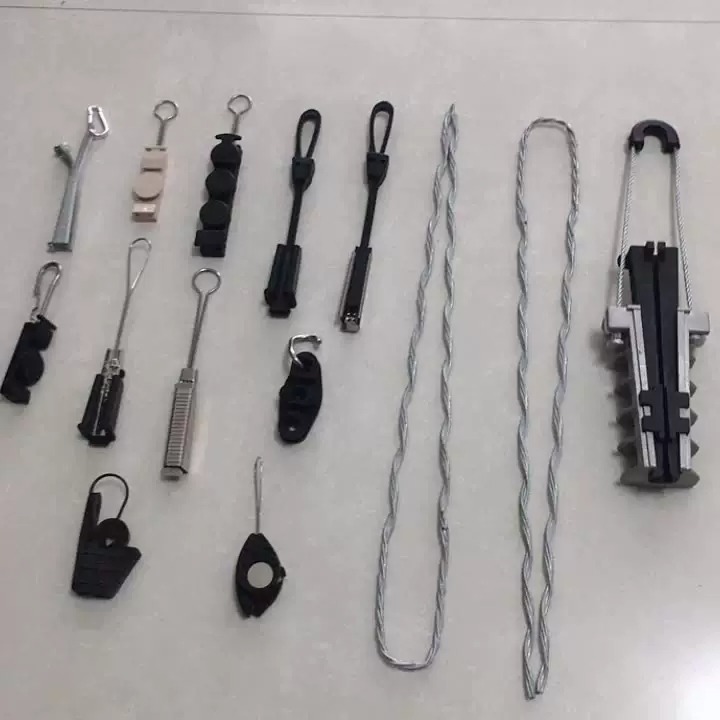
Hardware Coverage And Exclusions
We manufacture clevis, eye, socket, and anchor shackles compliant with IEEE C135.100 acceptance standards, excluding initial design validation tests.
Specific Fittings Covered
Our hardware coverage includes clevis, eye, socket, and anchor shackles engineered for transmission line applications. These fittings undergo routine acceptance testing per IEEE C135.100-2024, with each SKU mapped to specific compliance requirements.
Unlike competitors who list standards generically, we provide direct SKU-level verification. For example, our anchor shackles (SKU: AS-01) and socket clevis (SKU: SC-03) are batch-tested to meet 12.5kN minimum breaking strength requirements for zinc-coated ferrous materials.
Items Excluded
Our protocol excludes initial design validation tests. These are the designer’s responsibility and involve prototype testing under extreme conditions not covered by routine acceptance standards.
We focus solely on IEEE C135.100-2024 acceptance testing, which verifies production batches meet mechanical load requirements. This distinction protects engineers: we confirm hardware compliance for installation, but initial design validation must be completed by the project designer per IEEE C135.80-2023 guidelines.
Conclusion
For transmission line projects, insist on fittings tested to IEEE C135.100-2024. Our anchor rods passed the 2025 acceptance tests. Non-compliant hardware risks grid outages and fines.
Before approving any order, request our compliance checklist. It maps each SKU to the specific IEEE standard. Then verify against your project specs without vendor claims.
Frequently Asked Questions
Where can I download IEEE standards for fittings?
IEEE standards can be downloaded from the official IEEE Standards Association website (ieee.org) or through authorized distributors like IHS Markit or Techstreet. As a leading manufacturer in China, we also maintain a comprehensive library of relevant IEEE standards and can provide access to our clients upon request. Our technical team regularly references these standards to ensure our products meet international requirements.
Is there an IEEE 287 PDF available?
IEEE 287 is an older standard that has been superseded by IEEE C135.100. While the original IEEE 287 document may be available through historical archives or specialized document services, we recommend referencing the current IEEE C135.100 standard for the most up-to-date requirements. As a manufacturer committed to compliance, we ensure our products meet the latest IEEE standards.
What hardware does IEEE C135.100 cover?
IEEE C135.100 specifically covers hardware for overhead transmission lines, including fittings for conductors, insulators, anchors, and other components used in power transmission systems. This standard encompasses a wide range of hardware such as clamps, connectors, splices, and suspension clamps that are critical for the reliable operation of overhead power lines. Our product line is designed to fully comply with IEEE C135.100 requirements.
Does IEEE C135.100 supersede older standards?
Yes, IEEE C135.100 has superseded several older IEEE standards including IEEE 287, IEEE 299, and portions of IEEE 1313. This consolidation was implemented to provide a more comprehensive and cohesive standard for overhead line hardware. Our manufacturing processes have been updated to align with this consolidated standard, ensuring our products meet current industry requirements.
What are the testing procedures for connectors?
IEEE standards outline rigorous testing procedures for connectors including tensile strength tests, resistance measurements, corrosion resistance evaluations, and fatigue tests. These procedures ensure connectors can withstand mechanical stresses, electrical loads, and environmental conditions over their service life. As a leading manufacturer, we conduct comprehensive testing on our connectors to verify compliance with IEEE requirements and exceed industry expectations.