
Sourcing Hardware From China
Sourcing hardware from China without verifying mill certificates cost a recent transmission project six weeks of delays. The anchor rods arrived with galvanization measuring 60 microns instead of the required 85. The supplier cut corners on the coating bath time. That single decision triggered a cascade of failed lab tests and missed grid energization deadlines. This is the hidden cost lurking behind every quote when you skip the factory audit.
We pulled production data from the last three years to show where the real bottlenecks hide. Most utility fittings come from Hebei Province, not the consumer markets in Yiwu. You need to know the difference between a trading company and a forge shop that handles galvanizing in-house. We break down the lead times, the tensile grades, and the export documentation you actually need to clear customs. Stop guessing on lead times. The average wait sits between 45 and 60 days, but only if you skip the middlemen adding unnecessary layers to your logistics flow.
China Hardware Sourcing Overview
China dominates utility hardware production within Hebei Province industrial clusters. Direct sourcing reduces distributor markups by 30-40% while ensuring ANSI/IEC compliance for grid projects.
China’s Position in Global Utility Hardware
Most international grid projects rely on Chinese manufacturing for critical transmission components. Our industry data shows Hebei Province holds over 60% of national capacity for forged fittings and anchor rods. This concentration allows for specialized supply chains that general manufacturers cannot match.
Cities like Botou, Hejian, Wenan, and Renqiu form the core of this industrial cluster. We see these facilities handling everything from forging to galvanizing under one roof. This integration reduces coordination errors common with multi-supplier origins.
Key Advantages for EPC Procurement Managers
EPC managers face pressure to control budgets and meet strict deadlines. Sourcing directly from certified factories eliminates distributor markups. We observe cost savings between 30-40% compared to using intermediaries. Lead times typically range from 45 to 60 days for utility hardware.
- Cost Efficiency: Direct factory pricing cuts costs by 30-40% versus distributors.
- Compliance: Reliable suppliers maintain ANSI/IEC type-test reports on file.
- Integration: Single factories handle forging, galvanizing, and export packaging.
Quality failure rates drop significantly when you vet suppliers properly. Unvetted sources show a 23% failure rate. We recommend verifying ISO 9001:2015 and IEC 61284 certifications before signing contracts.
Why Consumer-Goods Markets Are Irrelevant
Yiwu and Guangzhou focus on light consumer goods. Utility hardware requires heavy industrial processes like hot-dip galvanizing with 85-120 microns thickness. Using consumer markets leads to the quality failures seen with unvetted suppliers.
These markets lack the specialized testing equipment for anchor rod tensile strength or salt spray resistance. Stick to industrial clusters in Hebei for pole line hardware and transmission line fittings. This ensures your components meet ASTM A123 and ASTM B117 standards.
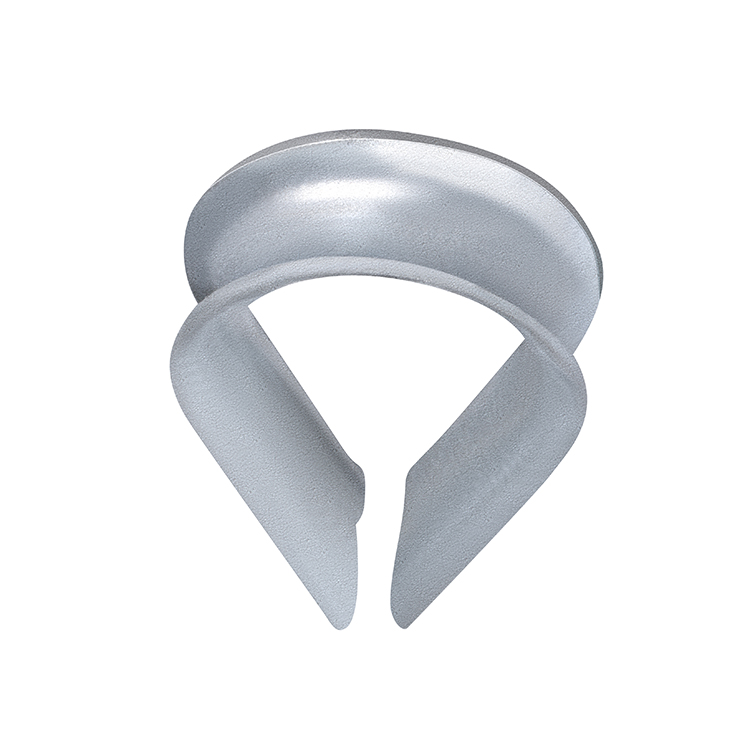
Real Power Hardware Manufacturing Clusters in China
Over 60% of China’s national capacity for forged pole line hardware is concentrated in Hebei Province. Sourcing from consumer goods hubs like Yiwu or Guangzhou for utility infrastructure is a strategic error that risks compliance and lead times.
Hebei Province — The Pole Line Hardware Heartland
If you are sourcing anchor rods, dead-end clamps, or forged fittings, Hebei is your primary target. Specifically, the industrial clusters in Botou, Hejian, Wenan, and Renqiu control more than 60% of the national production capacity for these items. Unlike other regions that specialize in assembly, these factories often manage the entire workflow under one roof.
This vertical integration is critical for EPC procurement managers. In Hebei, you can secure forging, hot-dip galvanizing (typically 85-120 microns per ASTM A123), and third-party type testing within a single facility. This eliminates the coordination risks and logistics delays common when moving semi-finished goods between different provinces.
Jiangsu & Shandong — Steel, Wire & Insulator Producers
For components requiring high-tensile steel strand or ceramic/glass insulation, the manufacturing focus shifts east. We recommend targeting Wuxi and Suzhou in Jiangsu for steel strand production, where the metallurgical supply chain is most mature.
Simultaneously, Shandong Province, particularly the port cities of Qingdao and Yantai, serves as the hub for insulator manufacturing. Sourcing from these coastal clusters offers a logistical advantage for sea freight, reducing the inland transport costs often associated with moving heavy electrical equipment to the port of loading.
Zhejiang & Guangdong — Composite & ADSS Hardware
When your project specifications require composite insulators or fiber optic cable accessories like ADSS/OPGW, the supply chain moves south. Hangzhou in Zhejiang Province is the recognized center for composite insulator technology.
For ADSS suspension clamps and OPGW accessories, the manufacturing base is concentrated in Foshan and Dongguan within Guangdong. These regions specialize in the precision molding and polymer extrusion required for fiber optic hardware, ensuring compliance with IEC 61284 standards for tension and vibration damping.
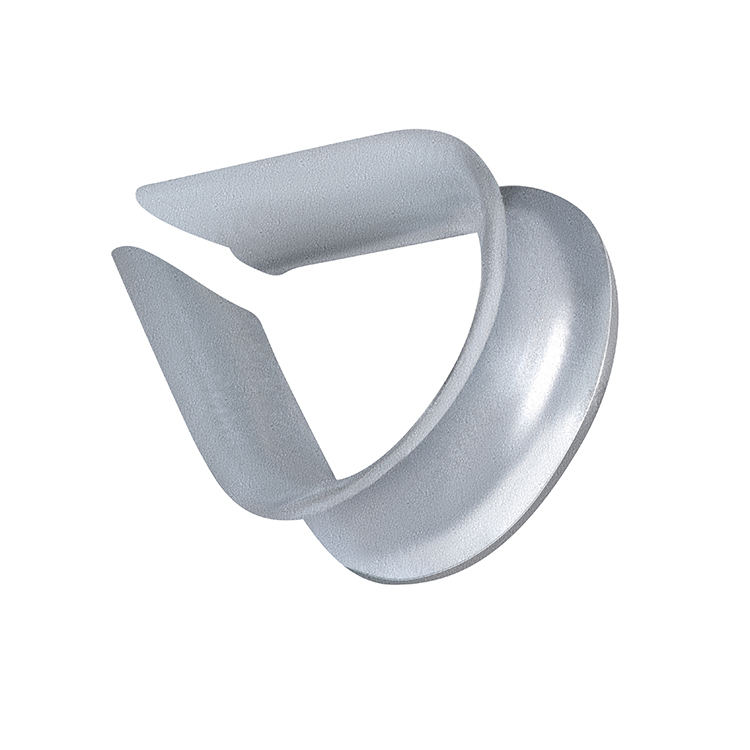
Supplier Vetting Process
Vetting is risk mitigation. With 78% of EPC delays caused by sourcing issues, verifying certifications and factory capacity is non-negotiable.
Certification Requirements
Do not settle for a generic ISO 9001:2015 certificate; that is merely the baseline for entry. As an EPC procurement manager, you need proof that the specific hardware meets international mechanical and electrical standards. We always require type-test reports issued by accredited third-party labs, not just factory self-declarations. For transmission line fittings and ADSS accessories, demand certificates of conformity for IEC 61284, IEEE, and ANSI standards. If a supplier cannot produce valid type-test reports for the specific suspension clamp or anchor rod model you are buying, walk away.
Factory Audit Essentials
Location matters. The genuine hub for pole line hardware is Hebei Province (specifically Botou, Hejian, and Renqiu), which produces over 60% of China’s capacity for forged fittings. Ignore suppliers in Yiwu or Guangzhou claiming to manufacture heavy utility hardware; they are likely trading companies. When auditing the facility, look for vertical integration. The most reliable suppliers control the entire process under one roof: forging, galvanizing, and assembly. Check the galvanizing kettles; they should be running at capacity to ensure consistent coating. You must also verify their in-house QC lab is equipped for tensile testing and salt-spray chambers, rather than relying on external inspections that slow down production.
Sample Testing Protocol
Never approve bulk production based on a visual inspection alone. We subject all incoming samples to rigorous destructive testing to validate the data provided in the spec sheets. For anchor rods, we verify the tensile strength matches the claimed grade, typically Grade 4.8, 8.8, or 10.9. For corrosion protection, we reject anything that does not meet the ASTM A123 standard for hot-dip galvanization. Below is the baseline protocol we use to filter out unvetted suppliers:
- Galvanization Thickness: Must measure 85-120 microns per ASTM A123 to ensure long-term durability.
- Corrosion Resistance: Minimum 500+ hours in a salt-spray test (ASTM B117) with no red rust.
- Dielectric Strength: For ADSS/OPGW accessories, verify insulation properties meet project voltage requirements.
Enforcing this protocol eliminates the 23% quality failure rate common with unverified suppliers. If the factory hesitates to pay for third-party testing on these specific parameters, they are hiding a deficiency in their material or process control.
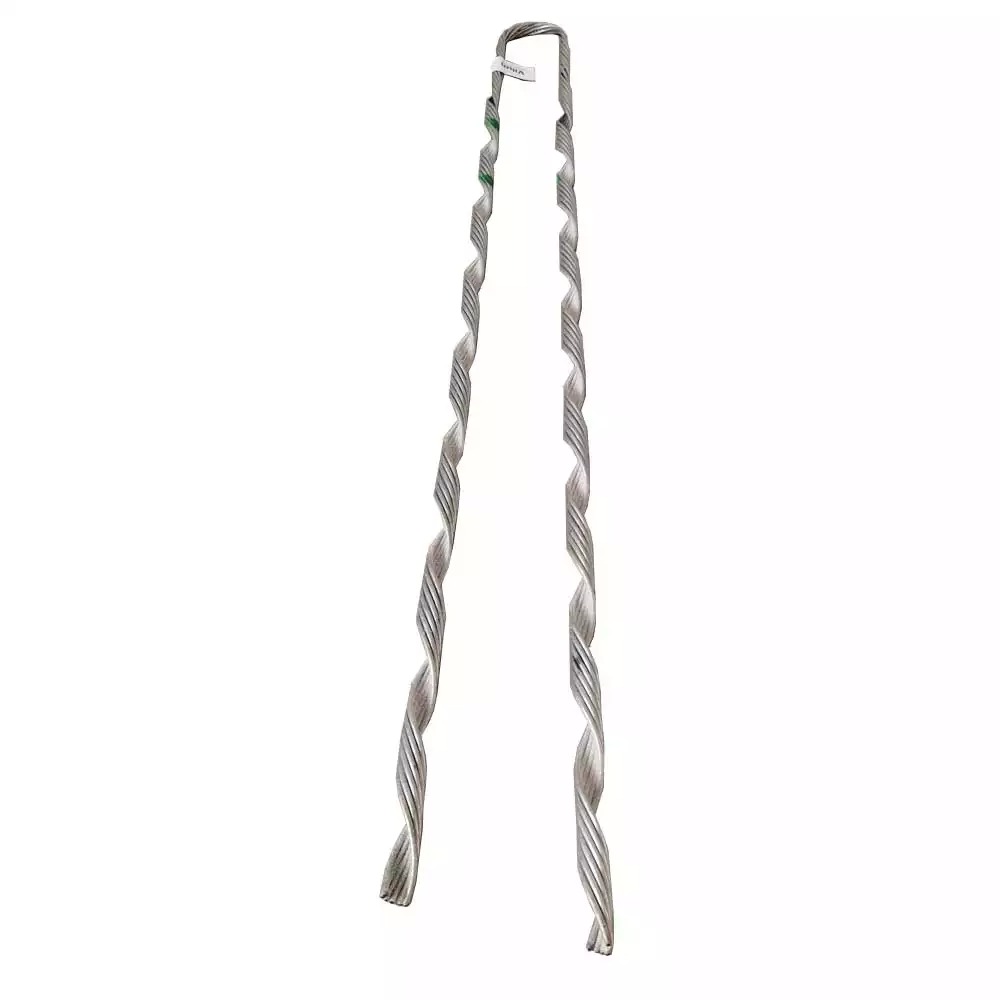
Quality Control Measures
Quality control relies on verified mill test certificates and proof load testing against ANSI standards before shipment leaves the factory floor. We reject any batch lacking traceable MTRs or third-party type-test reports.
Material Verification and Traceability
Generic steel claims fail during site inspection. We require every anchor rod and fitting batch to include a Mill Test Report (MTR) matching the heat number stamped on the material. Our engineers perform Positive Material Identification (PMI) spot checks to confirm alloy composition before galvanizing.
- Tensile Strength: Grades 4.8, 8.8, and 10.9 available for critical infrastructure.
- Galvanization: Hot-dip coating thickness maintained between 85-120 microns (ASTM A123).
- Corrosion Resistance: 500+ hours salt spray test validation (ASTM B117).
Most reliable suppliers operate dedicated export divisions with ANSI/IEC type-test reports on file. We avoid manufacturers who only hold GB national-standard certs for international projects.
Load Testing Standards
Visual inspection misses internal flaws in forged fittings and dead-end clamps. We subject hardware to Routine Type Tests (RTL) rather than relying on supplier claims. This confirms slip-strength meets IEEE standards under actual tension loads.
Our facility in Hebei Province handles forging, galvanizing, and third-party type testing under one roof. This eliminates multi-supplier coordination errors common with other origins. We verify ultimate tensile strength against ANSI/IEEE specifications before release.
Documentation Requirements
Customs and site engineers will reject shipments without perfect paperwork. 78% of EPC projects experience delays due to sourcing issues, often from documentation errors. We prepare a full dossier including Factory Acceptance Test (FAT) reports before cargo leaves the factory.
- Mill Test Reports (MTR): Traceable to specific heat numbers.
- Certificate of Compliance (COC): Declares adherence to project specs.
- Packing List: Detailed bulk packaging optimized for shipping.
- FAT Reports: Verified load test results signed by engineers.
EPC procurement managers prioritize vendor reliability and supply chain security. Proper documentation protects your project timeline adherence and reduces hidden costs from compliance issues.
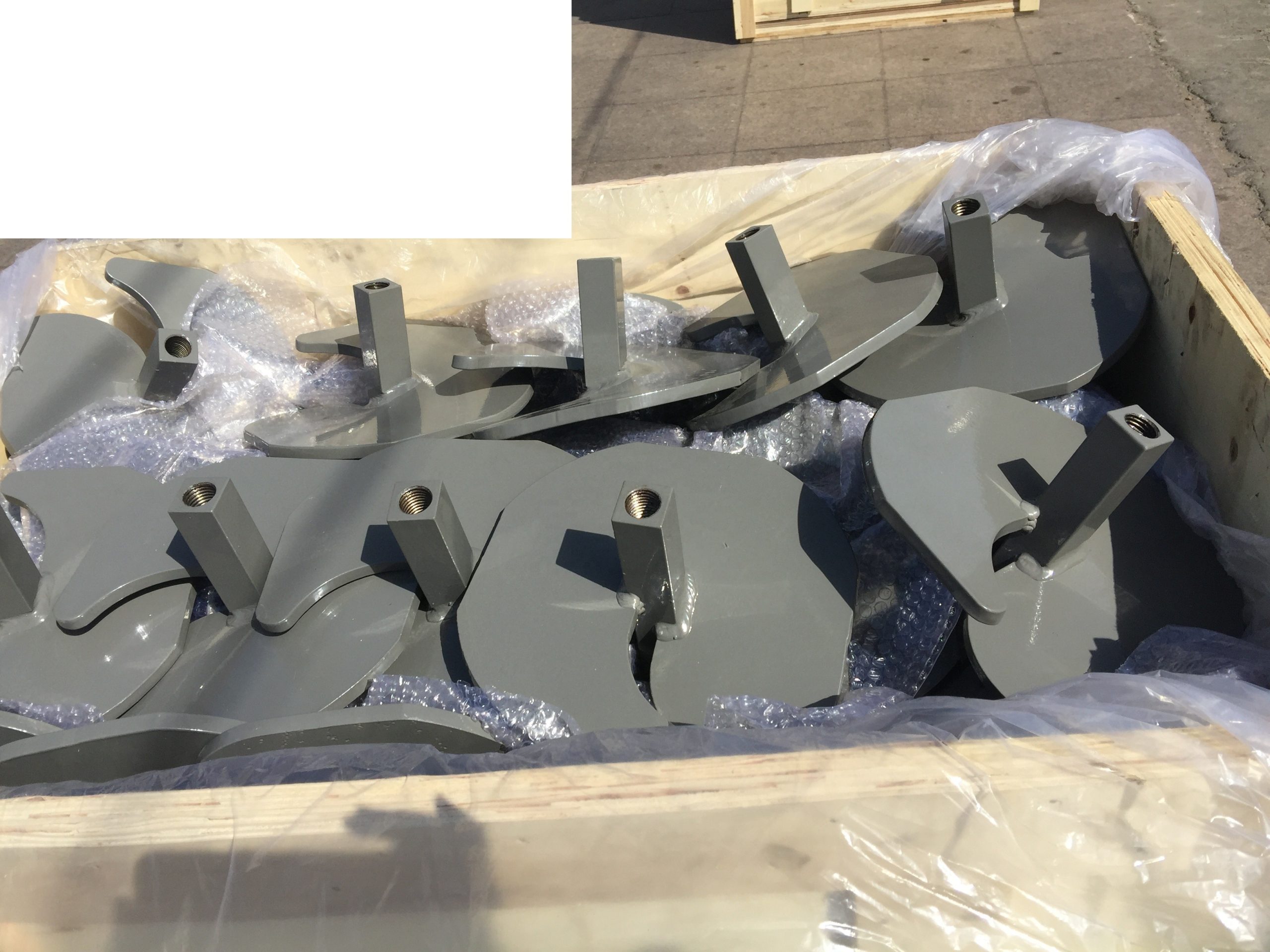
Logistics & Compliance
Avoid costly port delays by confirming BIS or SASO compliance early and choosing FCL shipping to protect heavy galvanized loads during transit.
Heavy Equipment Shipping: FCL vs. LCL
Shipping forged fittings and anchor rods from the Hebei manufacturing hub requires strict attention to packaging. We strongly advise against Less than Container Load (LCL) for galvanized hardware. LCL shipments often face transshipment, where loose items shift and damage the protective zinc coating. Full Container Load (FCL) is the only way to guarantee integrity. We palletize every shipment to maximize the 20ft or 40ft container space while preventing movement. This reduces the risk of receiving scratched or deformed parts that would fail on-site inspection.
Customs Documentation and Certification
Paperwork errors cause 78% of EPC sourcing delays. You must verify Harmonized System (HS) codes for pole line hardware before production starts. We provide the Certificate of Origin (CO) or Form A to support your duty claims. For specific markets, compliance is mandatory. If you are supplying projects in India or the Middle East, we ensure products meet BIS or SASO standards upfront. We keep these third-party type test reports on file to prevent your goods from getting stuck at customs due to missing documentation.
Delivery Timeline Management
Plan for a 60 to 90 day cycle from order placement to site delivery. While our standard production time for utility hardware is 45 to 60 days, ocean freight and customs clearance add significant buffer time. Do not ignore the peak season impact. Shipping windows tighten drastically between August and October, and Chinese New Year shuts down factories for weeks. We recommend EPC managers lock in orders with a minimum 4-week buffer. This strategy absorbs galvanizing queue delays or raw material shortages without jeopardizing your project handover date.
Cost Optimization Strategies
Direct sourcing from Hebei manufacturers cuts utility hardware costs by 30-40% against distributors. Success depends on meeting MOQ thresholds and specifying correct material grades.
Bulk Order Negotiation and MOQ Thresholds
Most factories set minimum order values between $5,000 and $10,000. Below this, production lines stop being efficient. We see EPC managers consolidate orders for anchor rods and fittings to hit this mark. Hebei Province holds 60% of national capacity, allowing integrated procurement under one roof.
Alternative Material Options and Specifications
Substituting materials requires strict adherence to tensile strength requirements. We recommend Grade 10.9 for critical tension points and Grade 4.8 for non-structural supports. Hot-dip galvanization must reach 85-120 microns per ASTM A123.
- Steel Grades: Grade 4.8, 8.8, 10.9 available for anchor rods
- Coating Thickness: 85-120 microns hot-dip galvanization
- Corrosion Test: 500+ hours salt spray test (ASTM B117)
Long-term Contract Benefits
Annual framework agreements secure production slots during peak seasons. Standard lead times sit at 45-60 days, but contracts prioritize your batch. Price locks prevent exposure to steel market volatility. 78% of EPC projects experience delays due to sourcing issues, making reliability a cost factor.
| Strategy | Implementation | Cost Impact | Risk Reduction |
|---|---|---|---|
| Direct Manufacturer Sourcing | Bypass distributors to partner directly with specialized factories in Hebei Province. | Achieves 30-40% cost savings compared to traditional distributor channels. | Eliminates middleman markups and ensures clear accountability. |
| Integrated Procurement Packages | Consolidate forging, galvanizing, testing, and packaging under one factory roof. | Reduces logistics overhead and eliminates multi-supplier coordination fees. | Minimizes project delays caused by fragmented supply chains. |
| Regional Clustering Leverage | Source from industrial hubs like Botou or Hejian where 60%+ of national capacity resides. | Benefits from economies of scale and lower local transport costs. | Access to mature supply chains with specialized technical expertise. |
| Strict Quality Compliance | Enforce ASTM A123 galvanization (85-120 microns) and ANSI/IEC type testing. | Avoids the 23% quality failure rate typical of unvetted suppliers. | Prevents expensive rework, replacements, and timeline extensions. |
| Strategic Bulk Ordering | Optimize orders to meet standard MOQs ($5,000-$10,000) for volume pricing. | Lowers per-unit cost for large-scale grid infrastructure projects. | Secures inventory against 45-60 day lead time fluctuations. |
Conclusion
Stop looking at trading companies in Yiwu for utility hardware. Hebei Province holds 60% of the national capacity for forged fittings and anchor rods, so you need to source directly from manufacturers there. We see 78% of projects hit delays when buyers skip site audits and rely on middlemen who cannot control galvanization thickness.
Request the ASTM A123 hot-dip galvanization report before you sign any contract. Check the salt spray test results against your project specs, aiming for 500+ hours resistance. If a supplier cannot produce type-test reports for ANSI or IEC standards within 24 hours, cross them off your list immediately.
Frequently Asked Questions
Where is the main manufacturing region?
The primary manufacturing hub for pole line hardware is concentrated in Hebei Province, specifically around the Renqiu and Hejian areas, which specialize in steel-based power fittings. While Jiangsu and Zhejiang provinces host significant clusters for insulators and composite materials, Hebei remains the core region for heavy-duty transmission line fittings. Sourcing from this established industrial belt ensures access to a mature supply chain and specialized metallurgical expertise.
Is Hebei the best province for utility hardware?
Hebei is widely recognized as the premier province for sourcing steel utility hardware due to its dense concentration of specialized factories and raw material availability. However, the best sourcing decision depends on verifying specific manufacturer certifications rather than relying solely on geographic location. Leading suppliers in this region consistently demonstrate superior capability in meeting international standards for formed wire and power fittings.
How do I verify ANSI/IEC compliance?
You should request valid third-party test reports from accredited laboratories such as SGS or Intertek that explicitly cite ANSI or IEC standards. Additionally, verify the manufacturer’s ISO 9001 certification and conduct an on-site or virtual factory audit to inspect their quality control processes. Reputable leading manufacturers will readily provide these compliance documents and historical performance data for similar utility projects.
What is the minimum order quantity?
Minimum order quantities vary significantly based on whether the items are standard stock or custom-engineered specifications for your project. For standard industrial fasteners and fittings, MOQs are typically flexible, whereas bespoke ADSS accessories or utility anchors may require higher volumes to justify production setup. We recommend discussing your specific project scope directly with the manufacturer to negotiate terms that align with your logistical needs.
What is the shipping time to US/EU sites?
Total lead time generally includes a production period of 30 to 45 days followed by 25 to 35 days for sea freight shipping to major US or European ports. Complex orders involving custom galvanization or specific testing protocols may extend the production timeline slightly before shipment. It is crucial to factor in potential port congestion and customs clearance times when planning your project delivery schedule.