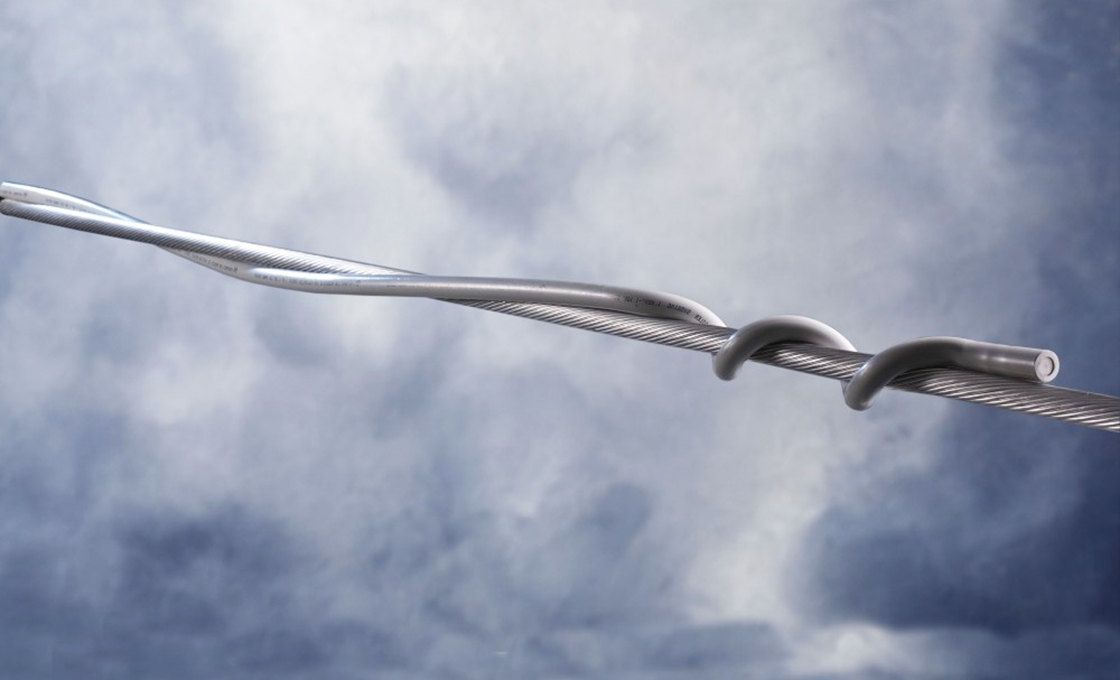
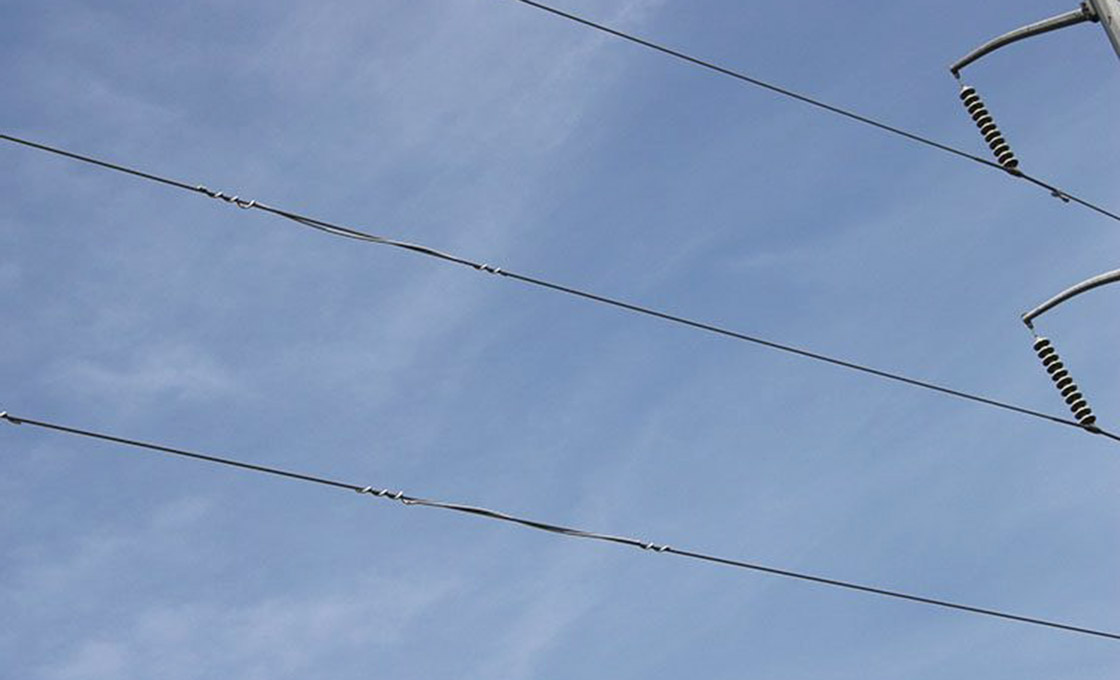
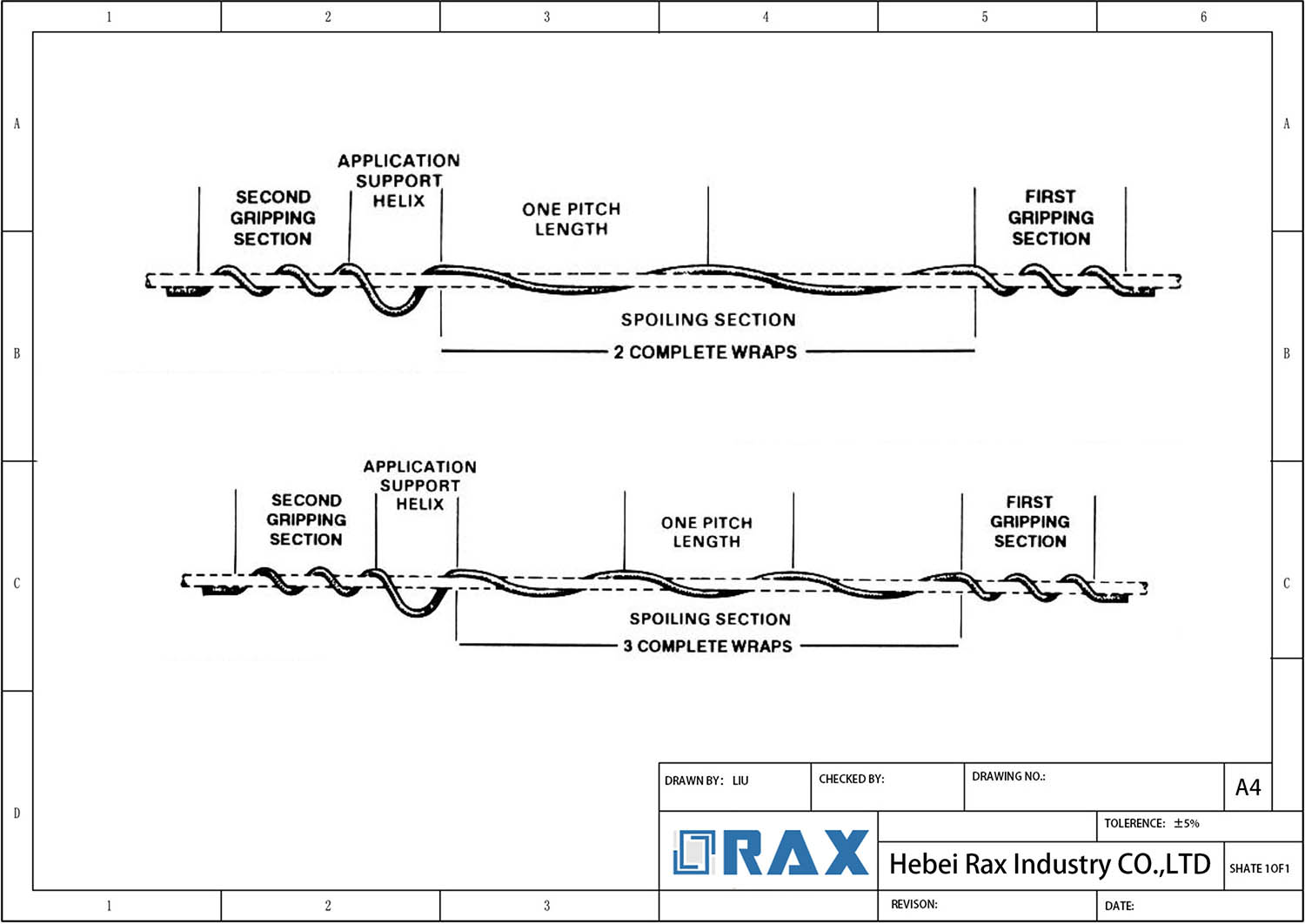
Air Flow Spoiler
- Preformed spoiler that disrupts wind-induced conductor oscillation
- Counters aeolian vibration and galloping on exposed spans
- Spiral profile changes the airflow pattern around the conductor
- Hand-applied, no moving parts, maintenance-free
- PVC / aluminium spiral over the conductor
- For long, exposed and high-wind line sections
Technical Specifications
| Catalog | Conductor Ø (mm) | Spiral Pitch | Length (mm) | Material | Surface |
|---|---|---|---|---|---|
| RAX-AFS-1 | 8–14 | Standard | 1200 | PVC | UV-stable |
| RAX-AFS-2 | 14–22 | Standard | 1400 | PVC | UV-stable |
| RAX-AFS-3 | 22–32 | Standard | 1600 | Aluminium | Bare |
| Custom | Other conductor sizes / pitches — send your conductor & span exposure | ||||
Application & Installation
Where it is used
The air-flow spoiler is a preformed spiral wrapped onto the conductor to break up the smooth airflow that drives wind-induced oscillation. By making the conductor section irregular it disrupts the regular vortex shedding behind the conductor — suppressing aeolian vibration and galloping on long, exposed spans without any moving damper.
Installation sequence
- Select the spoiler for the conductor diameter.
- Choose the application interval for the span exposure.
- Wrap the spiral onto the conductor at each interval.
- Snap it home so the spiral seats on the conductor.
- Repeat along the span per the design spacing.
Buyer’s Guide: Air Flow Spoiler
1. What an Air-Flow Spoiler Does
An air-flow spoiler is a spiral fitting that changes the shape the wind sees on the conductor. Smooth round conductors shed vortices regularly, which drives vibration and galloping; the spoiler's irregular profile breaks that pattern, calming the conductor passively.
2. Aeolian Vibration vs Galloping
Aeolian vibration is high-frequency, low-amplitude flutter; galloping is low-frequency, high-amplitude. The spoiler addresses both by disrupting the airflow that feeds them — useful where dampers alone are not enough on long, smooth spans.
3. Passive, Maintenance-Free
Unlike a Stockbridge damper there are no moving parts to fatigue or fall off. Once applied, the spoiler works for the life of the conductor with no maintenance.
4. Sizing & Spacing
Match the spoiler to the conductor diameter (8–32 mm), and apply at the interval the span exposure calls for — closer spacing on the most wind-exposed sections.
5. Material
UV-stable PVC for lighter conductors, aluminium for larger ones. Both withstand long sun and weather exposure on the span.
6. Where It Fits
On long river / valley crossings, ridge lines and other high-wind exposed spans, alone or alongside dampers for severe cases.